
Judging from the history of OpenAI’s activities in this field, the startup has not missed any opportunity to promote the construction of new data centers in the United States, attracting various partners to this end, and to some extent trying to generate its own computing power. What’s even more surprising is is to find outThis week, Chris Malone, who had been in charge of that direction since last March, left the company.
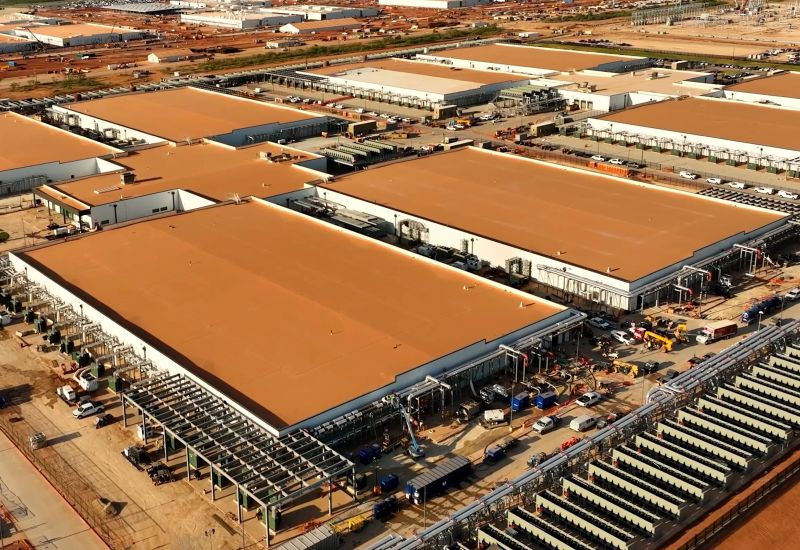
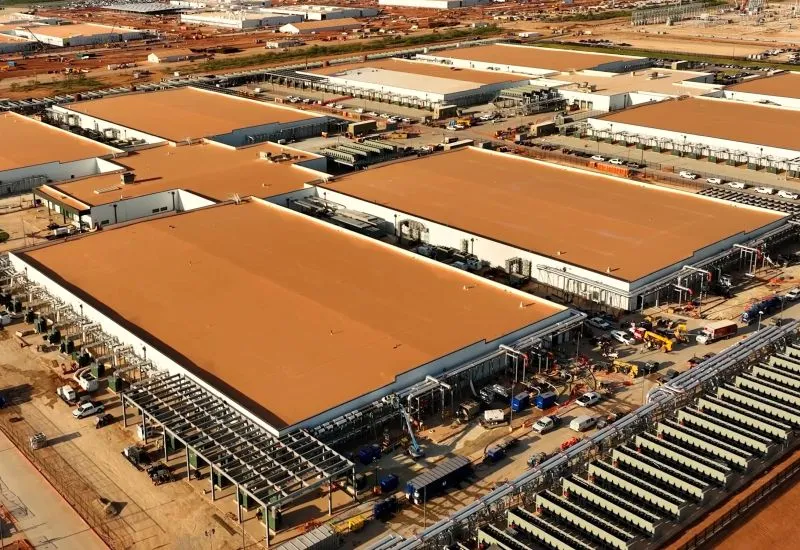
Image source: OpenAI
Let us recall that almost on the first day of Donald Trump’s second term as President of the United States, the Stargate project was announced, which would represent an investment of up to $500 billion over four years to build data centers that meet the United States’ artificial intelligence needs. OpenAI’s partners in building such a center are Oracle and SoftBank. The plan quickly stalled, and OpenAI was forced to focus on signing contracts with third-party cloud capacity providers.
From simply renting the compute accelerators themselves, OpenAI is trying to move toward renting entire data centers, but now those initiatives are overseen by other startup leaders rather than Chris Malone, who left him. Since the beginning of the year, the startup has lost a number of senior executives responsible for all aspects of its activities, from finance to pure technology. In this way, OpenAI is believed to be preparing for its IPO, which is scheduled for next year, although it could happen sooner. Chris Malone strategized at Meta before moving to OpenAI last spring✴ Platform in the data center field. Prior to that, he held a similar position at Google.
Prior to OpenAI’s recent reorganization, Malone reported directly to Greg Brockman, the startup’s president. After the transformation, the startup’s infrastructure direction was led by Vice President Sachin Katti, while Malone and his colleague Adrian Caulfield also led the team building technology for the data center. There have been other personnel changes within the OpenAI infrastructure team in recent weeks. Uday Ruddarraju became the technical director of computing power, and Brent Mayo, whom OpenAI hired from xAI this year, became his subordinate. This leader ensures that OpenAI’s computing expansion project is completed on schedule. Raddarraju and Mayo are involved in building xAI’s Colossus supercomputer in Tennessee.
With all this, OpenAI has set itself increasingly ambitious goals for developing proprietary computing infrastructure. By 2030, it plans to allocate $750 billion for this purpose, instead of the $600 billion initially planned. This month, it signed an agreement with a SoftBank subsidiary to lease a 10 GW data center in Ohio, for which Nvidia is the guarantor.
If you find an error, select it with your mouse and press CTRL+ENTER.