
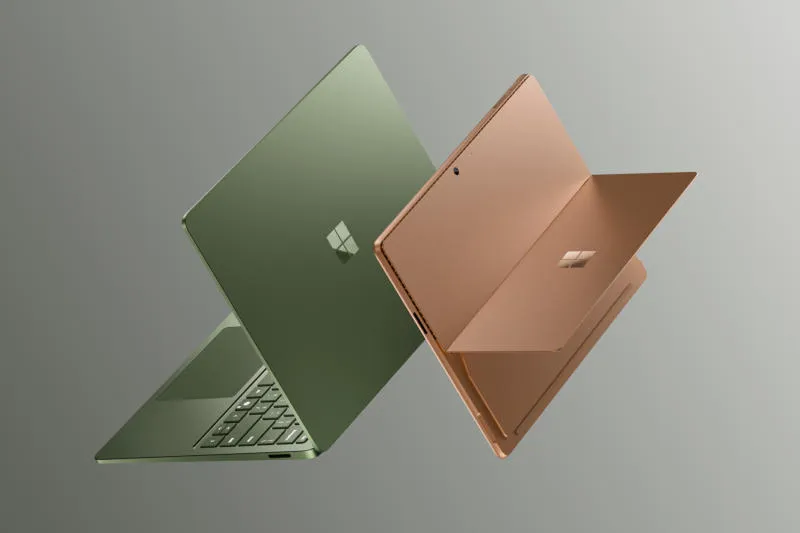
Microsoft published on its corporate blog Report Regarding the success of the Windows on Arm platform over the past year. The company says one of the main events is the arrival of the Nvidia RTX Spark, which joins the Qualcomm Snapdragon X and should expand the range of computers powered by Windows on Arm architecture.
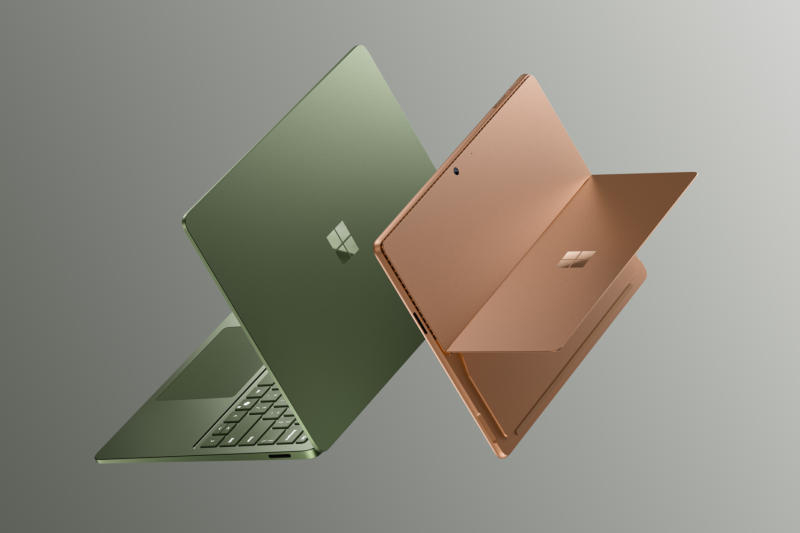
Image source: windows.com
«The market is sending a clear signal: As customer demand for powerful, energy-efficient Windows devices and features continues to grow, more and more silicon suppliers and OEM partners are investing in Windows on Arm. Device will be available in fall 2026 [на Nvidia RTX Spark] From Microsoft Surface, ASUS, Dell, HP, Lenovo and MSI” the company said.
Microsoft also talked about expanding the Windows on Arm software ecosystem. Over the past year, new applications for work and study, security, creativity, entertainment, and multimedia content processing have all gained native support on the platform. The company is paying particular attention to work software, as its availability largely determines the possibility of fully utilizing Arm computers in enterprise environments.
To track compatibility, Microsoft launched the Works on WOA website, which contains more than 7,000 applications that can run on Windows on Arm. Specifically, the list includes ShareX, Proton Mail, Signal, Discord, and FxSound.
According to Microsoft, most of the most popular apps now have native Arm versions. Programs for which such versions are not yet available can be launched using the Prism emulator. In this way, the company seeks to solve one of the main issues that has long hindered the spread of Windows on Arm – limited compatibility with familiar software.
Microsoft believes that Windows on Arm is no longer an experimental platform, but an actively developing ecosystem. The emergence of Nvidia RTX Spark-based computers, the growing number of native Arm applications, and the ability to run remaining x86 and x64 software through Prism should facilitate further expansion.
If you find an error, select it with your mouse and press CTRL+ENTER.