


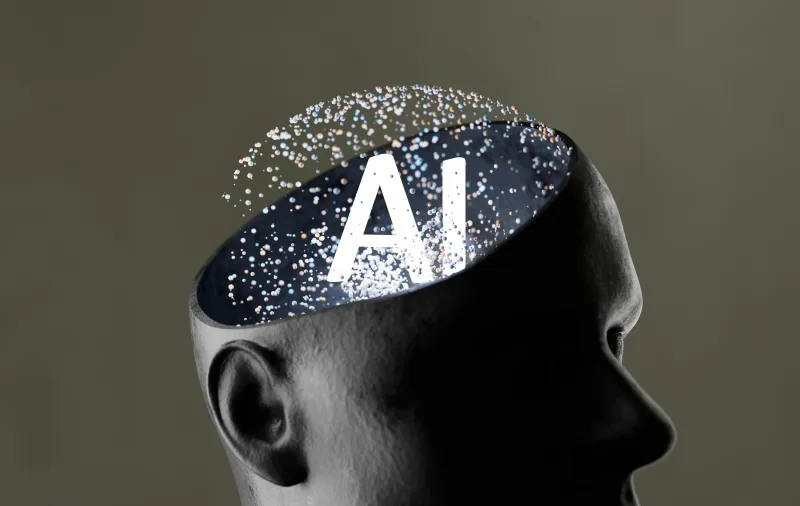
January 2026, Yuan Management✴ Announced a radical plan to reimagine work in the era of artificial intelligence, codenamed “Project OT” (Organizational Transformation). It is envisaged that the company’s workforce will be reduced by 60% in two phases – most of their daily tasks will be taken over by artificial intelligence. A public revolt by employees forced the cancellation of those plans just hours before mass layoffs were to begin.
Image source: unsplash.com
This restructuring will be carried out in two phases “Wave Stage”. The plan is to supplement the layoffs by closing job openings and laying off Meta employees.✴ considered invalid. meta staff✴ In open defiance, it’s not without reason to believe that the company’s AI transformation plan is designed to replace them. At the same time, the autonomous artificial intelligence agent technology at the core of the strategy did not bring the expected performance improvements, and some investors questioned the results of Meta’s huge expenditures.✴ About artificial intelligence.
Under pressure from employees, investors, Meta chief✴ Mark Zuckerberg hesitated. May 20 Yen data✴ It still laid off about 10% of its employees but declined to further layoffs. After this element✴ Said that these scenarios include layoffs and redeployment of personnel, the company does not intend to lay off 60% of its employees at any time.
“As part of the company’s restructuring earlier this year, we asked some teams to conduct a scenario planning exercise to examine the potential impact of employee redeployment, job closures and layoffs.Meta said in a statement✴. — This ultimately resulted in thousands of employees moving into priority positions across several newly created teams […] We did not implement all the options presented during the exercise, and we never expected that we would. “
Last year, Meta executives✴ Immerse yourself in management concepts inspired by artificial intelligence. They were attracted by the idea that companies should not just integrate AI into existing processes, but move entirely to an AI-centric approach: “AI-ready tools interact with agents, workflows are automated, and new projects are developed with AI in mind.”. The strategy also includes introducing artificial intelligence agents to perform the most common office tasks.
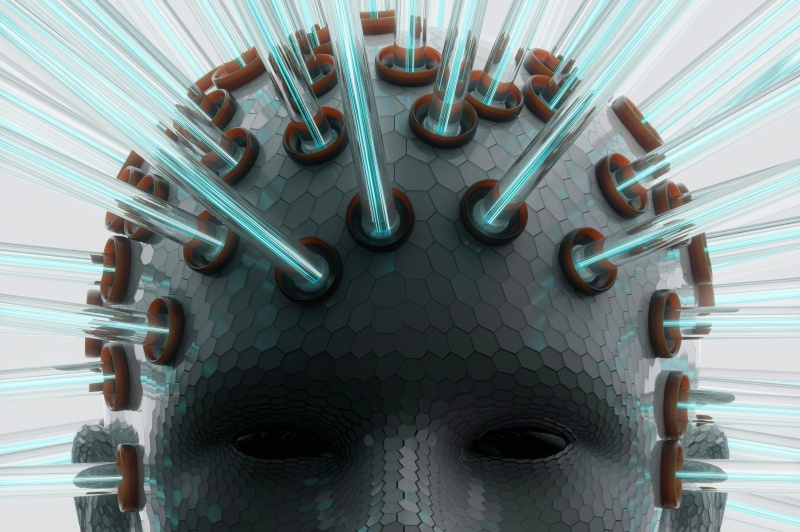
Artificial intelligence advocates believe that the traditional roles of product designers and engineers will disappear and technical team members will become simply developers. Middle management should be abolished entirely. These teams are planned to be affiliated with a senior department head, and daily priorities will be determined through analysis with the help of agents.
As part of OT, senior executives are tasked with continually changing the management structure. By June 2026, at least 11 departments, including engineering and research teams, have implemented small workspaces in different modules. As a result of these changes, according to employees, the company shifted to “Village Method” to personnel management. Performance reviews and promotions will be conducted by “organizational leaders” with the support of human resources personnel and unspecified artificial intelligence systems.
Yuan✴ Employees are required to install software on their devices to track keystrokes and mouse clicks to train artificial intelligence agents to simulate human-machine interactions. Believing they might be training their own AI replacements and angry at the lack of details about the layoffs, many employees flooded Meta’s internal communications network✴ Angry messages and dark humor. Employee morale dropped, with internal employee morale scores falling from 74% to 55%.
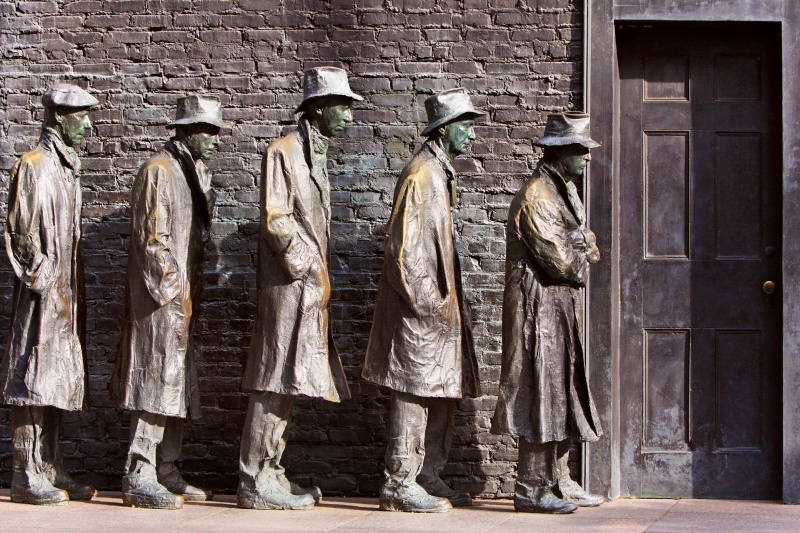
At the same time, internal data shows that OT’s technology has not achieved the expected results. The use of AI has resulted in a significant increase in code volume. The number of changes to internal platform code and infrastructure increased by 220%, but the number of changes bringing new or improved functionality to Meta users✴only grew by 36%.
Back in March, infrastructure teams warned ‘Signs of unreliability’driven by a surge in software development powered by artificial intelligence. Employees report that rogue AI agents are executing “An act of massive destructiveness unlikely to be carried out by humans”. The number of major technical issues and security incidents such as service interruptions and possible data leaks increased by 40% compared with the previous year, and the time required to fix bugs increased by 70%.
Under environmental pressure, Zuckerberg changed course. Just hours before the first wave of OT program cuts, he canceled a second wave of restructuring planned for November. Yuan the next morning✴ A 10% cut was still made. But after the notice was sent out, Zuckerberg issued a memo telling remaining Meta employees✴That him “No other company-wide layoffs are expected this year” and expressed a desire to provide them with greater stability.

People tried to boost morale. Department managers were asked to consider employees’ feelings, the employee tracking program was suspended, some employees were allowed to return to their original teams, and the finance department was asked to improve employee welfare. They also pledged to increase spending limits on travel and social events, and improve the quality of snacks in the kitchenette.
In early July, Zuckerberg admitted at an internal meeting that an error had been made in calculating the timing of the restructuring. According to him, AI agent technology is not “accelerate” Just as quickly as he expected. He added that he expects the technology to improve and new advantages emerge over the next three to six months. Zuckerberg said unnamed competitors were the real culprits of the job losses.
As Zuckerberg downplays the more radical aspects of the internal transformation of artificial intelligence, he has also launched a massive public relations campaign to position Meta✴ As a people-first company. The campaign includes a video in which the company says “Betting on people.” According to him, Mehta✴ — “The only major company focused on empowering people and getting billions of people to use this new technology across all our products, rather than focusing primarily on automating work.”
“Companies may shrink, as they transition from industrial giants to technology companies. – Zuckerberg is convinced. — But this does not mean a decrease in total employment. This means increasing the number of companies while reducing the number of employees per company. “
However, according to internal documents, the language Zuckerberg insisted on when discussing layoffs “Companywide” and “This year”. That has prompted some employees to speculate that he will continue to streamline the business through cutting individual departments or making performance-based layoffs. The company is cash-strapped and under scrutiny from investors for its mind-boggling cost of artificial intelligence. Yuan✴ It plans to spend at least $130 billion, which analysts estimate will use up all of its operating cash by 2026.
If you find an error, select it with your mouse and press CTRL+ENTER.