

Development studio Visual Concepts has released an early access version of basketball simulator NBA 2K27. Data hunters discovered an Nvidia library called nvngx_dlssnr.dll in its code, which apparently contains the runtime for neural rendering, which is part of the upcoming DLSS 5 technology.
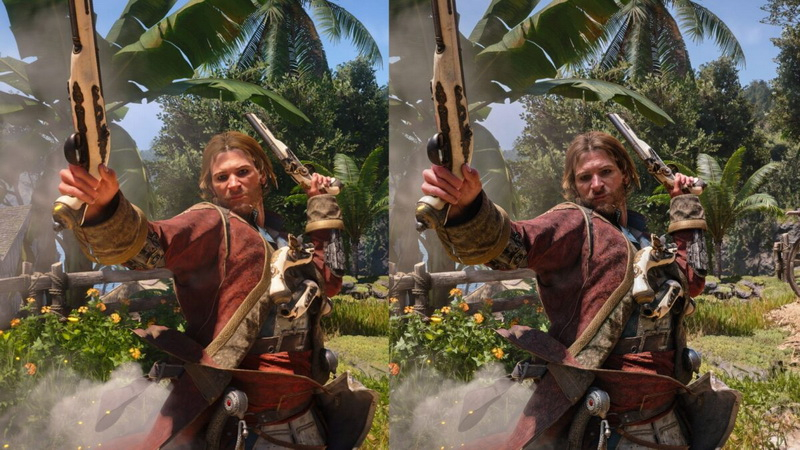
Image source: VideoCardz
It only took modders a few hours to get Nvidia’s DLSS 5 neural rendering library working in Control through the RenoDX modding framework built on the ReShade plug-in system. Less than 24 hours later, the same experimental implementation had appeared in many other games.
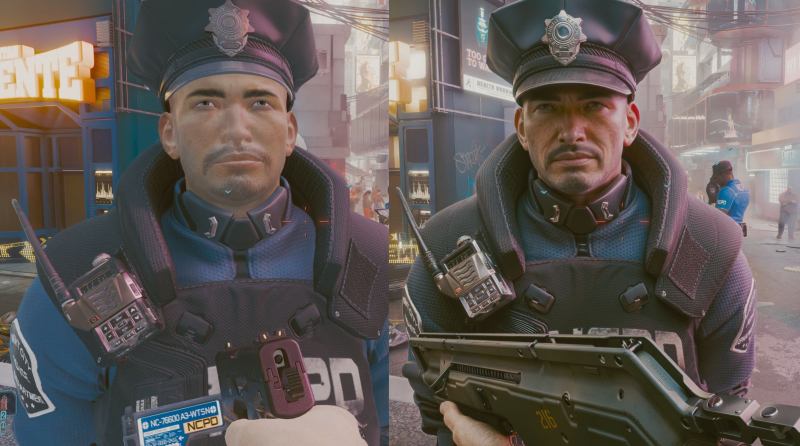
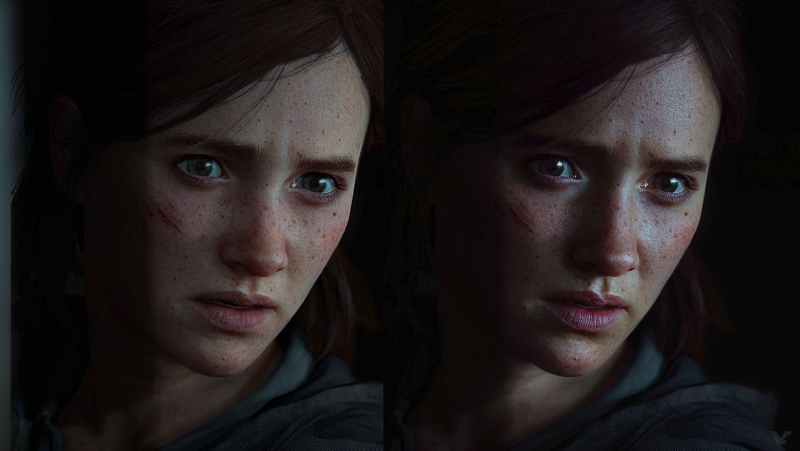
The Last of Us II Remastered Edition

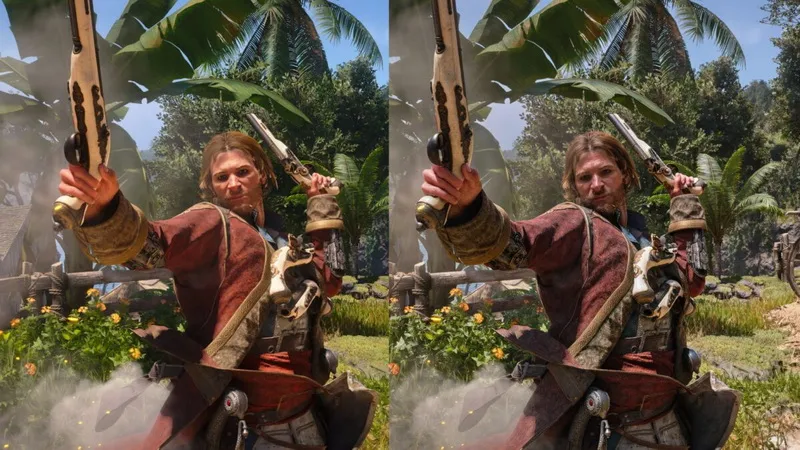
Fans have already added unofficial support for DLSS 5 Neural Rendering in Cyberpunk 2077, Red Dead Redemption 2, The Last of Us Part II Remastered, Assassin’s Creed: Black Flag Resync, Hogwarts Legacy, and Black Myth: Wukong. Test versions have also appeared for Wuchang: Fallen Feather, Starfield, Counter-Strike, Senua’s Legend: Hellblade II, GTA V, Metal Gear Delta: Snake Eater, Monster Hunter: Wild, and Silent Hill 2.
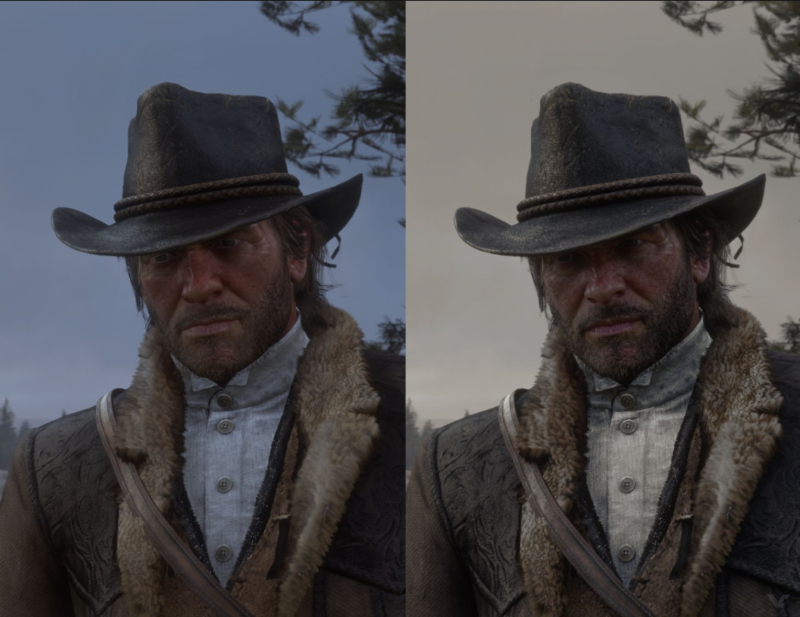
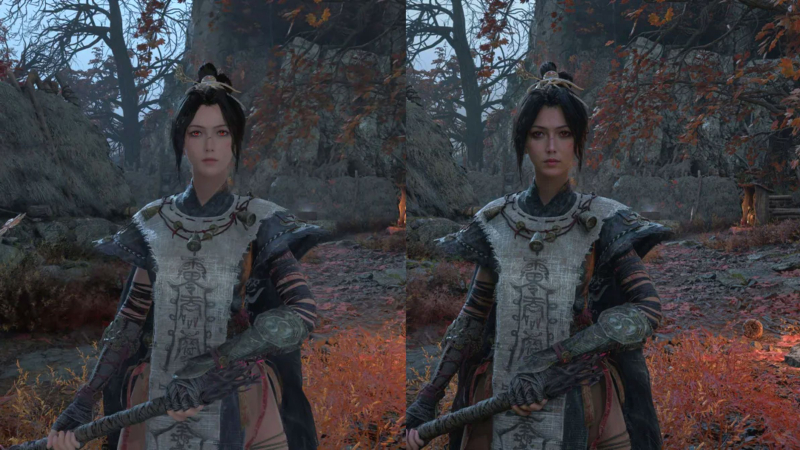
The experimental version uses the 158 MB DLSS neural rendering library. Enthusiasts managed to connect the library to existing game rendering pipelines without official developer support for DLSS 5. Therefore, the current implementation can be applied to games that were not originally designed with DLSS 5 integration in mind.
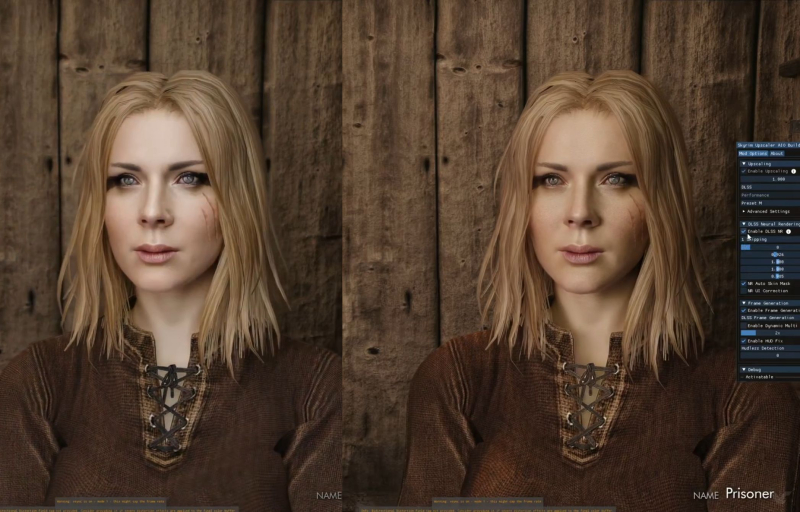
Nvidia’s official implementation will give developers control over intensity, color correction, and masking. Nvidia says DLSS 5 takes color and motion vectors as input, producing updated lighting and materials while keeping the original scene locked. This means that modders are essentially making their own changes, and final DLSS 5 support may produce different results. Nvidia has not yet confirmed whether DLSS 5 controls will be available to gamers.
A custom Neural Rendering test of Cyberpunk 2077 on a GeForce RTX 5070 shows just how expensive current implementations are. At 1440p resolution, with DLSS 5 enabled, raster performance drops from 138 fps to 68 fps. Ray tracing in Ultra mode drops the frame rate from 111 to 55, and path tracing from 71 to 45. There are other problems. It is reported that repeatedly turning on and off DLSS 5 will consume about 1GB of memory each time. However, this may be a user modification error rather than a problem with DLSS 5 itself.
DLSS 5 is planned to be fully launched before the end of 2026.
If you find an error, select it with your mouse and press CTRL+ENTER.