


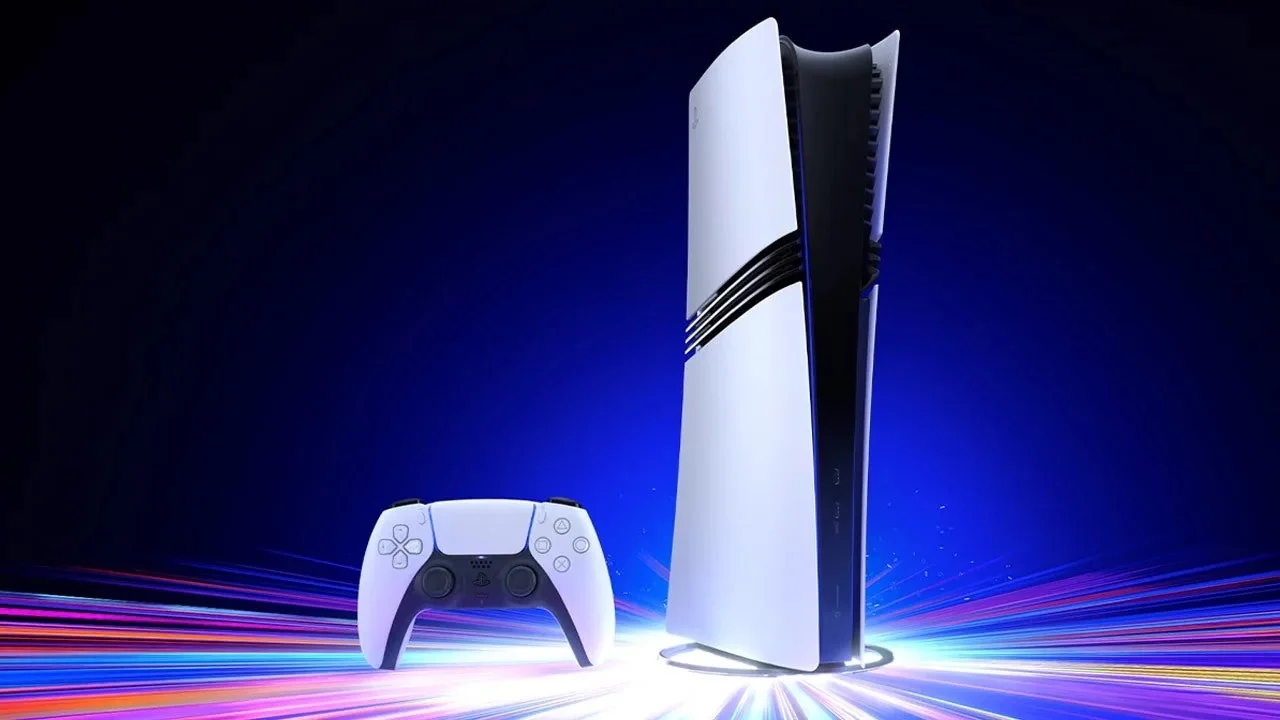
Just when users were causing huge controversy over Sony’s announcement to divest from disc-based physical games, sony he found himself wanting appear in court The fact is Buying digital games doesn’t actually mean owning themwhich actually represents the core of the protest.
The problem is divided into one class action lawsuit Last June, some users filed a lawsuit against Sony, accusing the company of failing to make it clear that buyers did not actually receive full ownership of the digital games they purchased.
One of the elements raised by the prosecution was that PlayStation communication is not clear enough Emphasize the difference between buying digital products and owning them.
Communication clarity issues
this A warning appears on the PlayStation Storeincluding “Buy” and “Confirm Purchase” buttons would create confusion in this sense and avoid clarifying buyers’ actual rights to digital products.
According to Game File, Sony’s defense is based on the following facts: “I Rational customers know that when they purchase a game in digital format, they do not become the owner of the game“, and PlayStation’s End User License Agreement clearly states that “the software is licensed to you, not sold” and “virtual content is licensed, not owned.”
Sony won’t change its plans to ditch discs, and Xbox will go digital, according to an insider

Perhaps also in an effort to maintain a defensive line in such legal cases, Sony recently reminded all users that its games are licensed and not sold, as the company has reiterated via emails and official communications in recent days.
It’s likely that PlayStation spells out the difference between licensing a digital game and its actual purchase in a precise enough way, but here’s the thing clarity and immediacy In this sense, communications can provide the basis for a class action lawsuit.
For example, it can be argued that unclear communication, or communication hidden in long texts characteristic of the contract, can lead to potential losses from a legal perspective. Violation of California lawwhich effectively prevents companies from selling digital products using standard terms like “purchase” or any other term that a reasonable person would interpret as “granting unrestricted ownership of the digital product.”
In order to use these terms, sellers must provide a “clear and conspicuous” statement stating: The buyer does not become the owner of the digital assetbut will only receive a license, in which case a class action lawsuit may be valid.
So it’s strange that now, amid the outcry over abandoning physical games in favor of digital games, a paradoxical case is being made that Sony must clearly prove that buying digital games doesn’t mean actually owning them. Give reasons for one of the main arguments behind the controversy PS5 players have organized a strike in recent days.