

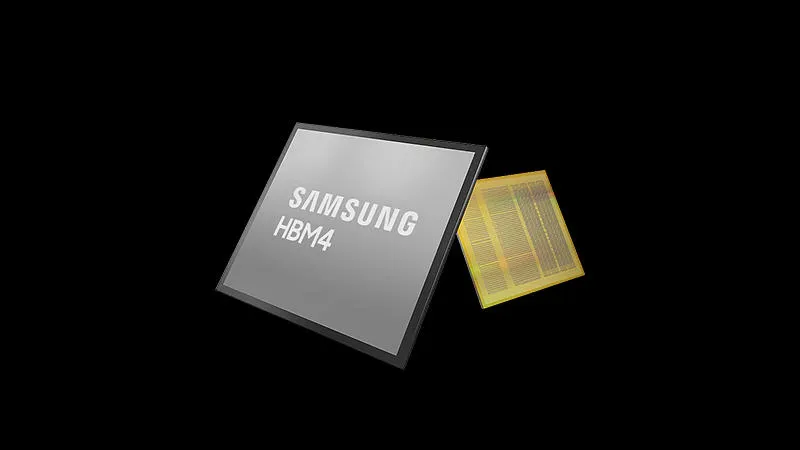
High-speed HBM memory used in artificial intelligence accelerators continues to consume memory manufacturers’ limited resources and drive up the price of standard PC memory – not helping the market even as demand for laptops and other consumer devices weakens.
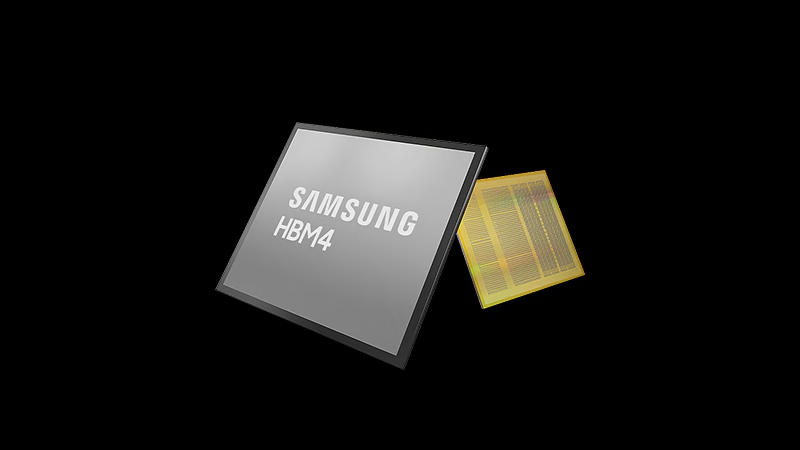
Image source: samsung.com
According to TrendForce calculations, the contract price of standard DRAM chips – 8GB DDR4 increased by 4.17% at the end of August to US$25 at the end of August. This means memory prices have increased 8.6 times since the company started tracking the market in June 2016. From April last year to February this year, prices rose for 11 consecutive months and have continued to rise since April this year. There is a price inversion effect: old DDR4 modules now trade at a higher price than new DDR5 modules. Analysts predict that notebook computer shipments will fall by 10.5% this year; at the same time, TrendForce analysts were forced to raise their third-quarter PC DRAM contract price growth forecast from 15-20% to 18-23%. During the August negotiations, some suppliers signed contracts at 23-28%, meaning they still retained leverage.
The imbalance between supply and demand leads to a crowding-out effect of artificial intelligence. HBM consumes more silicon wafers than traditional DRAM. Memory manufacturers are prioritizing HBM and server DRAM production lines, resulting in a significant reduction in traditional DDR4 production capacity. PC makers feared they would run out of memory components and began stockpiling memory, aiming to have more than a ten-week supply.
In the NAND flash memory market, pricing trends vary widely among different products. The August 128G MLC chip contract price rose only 1.42% to $30.48. In comparison, the growth rate in July was 4.26-8.17%. At this time, buyers had reached the cost limit and they no longer intended to purchase more expensive memory. But the price of older SLC wafers increased by 16.51-28.22% in August. 4-gigabit chips saw the largest price increases; 2-gigabit and 8-gigabit prices increased by more than 20%.
The reason for the shortage is that manufacturers have mainly focused on high-margin 3D NAND and stopped investing in older solutions, although demand for older solutions still exists – for example, in the field of telecommunications equipment and smart meters, where such components are not easily replaced. DRAM prices will rise sharply in September, SLC will appear ‘Limited growth’TrendForce analysts say MLC is likely to stabilize at current price levels.
If you find an error, select it with your mouse and press CTRL+ENTER.