


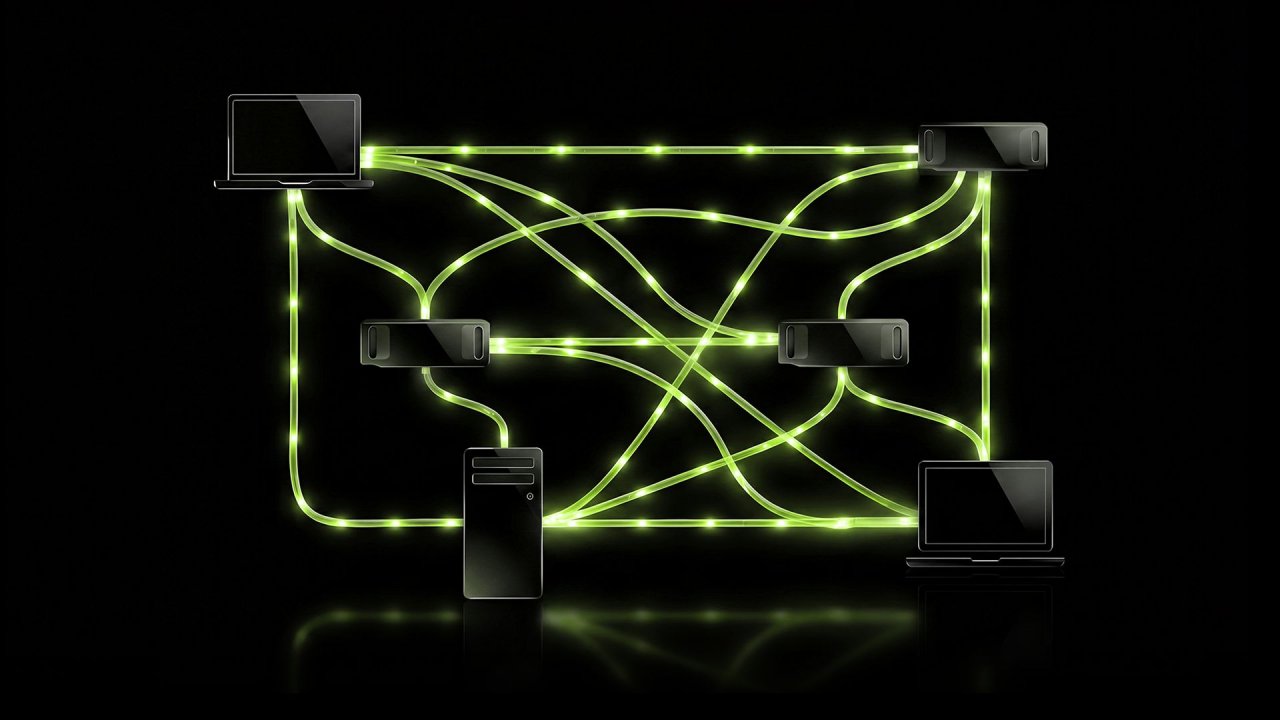
The Personal AI Router distributes AI requests among multiple computers on the local network, freeing up the main PC and utilizing otherwise unused resources.
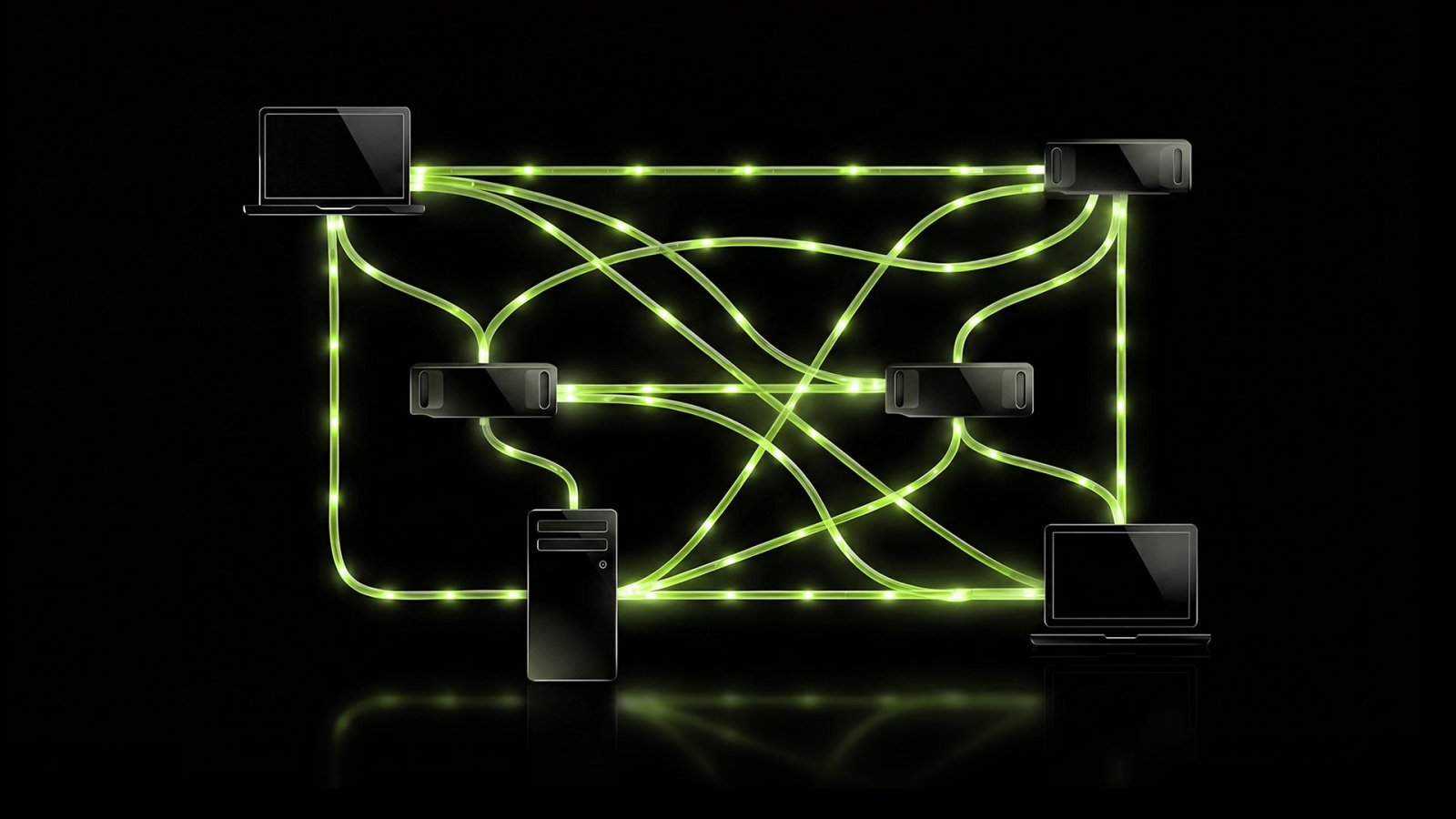
NVIDIA wanted to take advantage of the unused computing power on home computers: out of this idea was born NVIDIA PAIR, short for Personal AI Router, a software that allows you Distribute inference requests across multiple systems connected to the same local networkwithout forcing the AI agent to change the way it communicates with Ollama or LM Studio.
PAIR is not a new inference engine and does not run models directly. Its job is to act as an intermediary: it receives a request, checks which computers can handle the request and directs it to the available computer. Ollama or LM Studio then continues to execute the model on the selected device, and the requesting application continues to see a single connection.
The advantages become especially clear when agents that can distribute tasks among multiple subagents come into play. Instead of queuing all operations on the same GPU, PAIR can execute independent requests on different computers at the same timeof course, the premise is that the system has the necessary models and engines.
PAIR automatically decides where to execute each request
The software locates devices on the network via mDNS, but nodes can also be added via their IP addresses. Before the two systems can communicate, the association must be approved, and then mTLS and the credentials generated for the connection are used to secure traffic between nodes.
Choosing a computer to run a job depends on more than just availability of a GPU. PAIR checks whether the node is online, whether Ollama or LM Studio is active, whether the requested model is available, and how many operations are already in progress. It also takes into account GPU usage so that Avoid keeping the machine busy with video games, rendering, or other heavy applications.
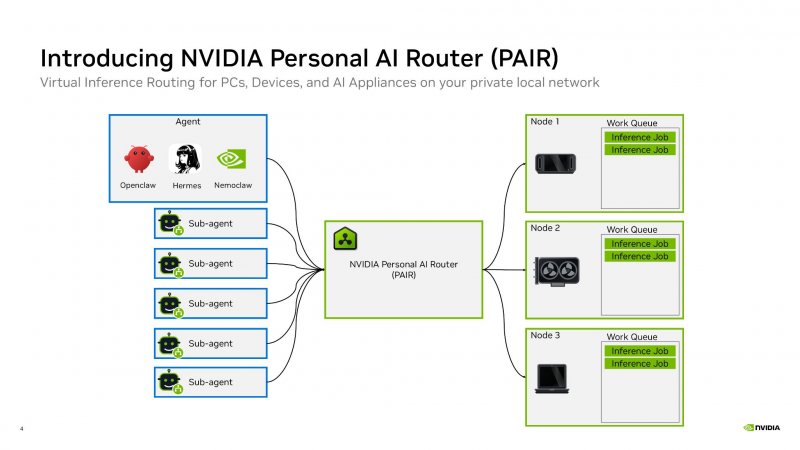
It is not necessary that all computers have the same model installed. One system can host some of these, and a second system can use others: PAIR retains this information and directs requests only to compatible nodes. Conversely, installing the same model on multiple computers increases the number of devices that can receive that particular job.
However, PAIR does not increase GPU memorydoes not perform model sharding, nor split a single inference across multiple computers. Each request is assigned to a node and remains on that machine until completion, which provides benefits, especially for many independent and parallel operations.
Two RTX 5090s do the same job faster
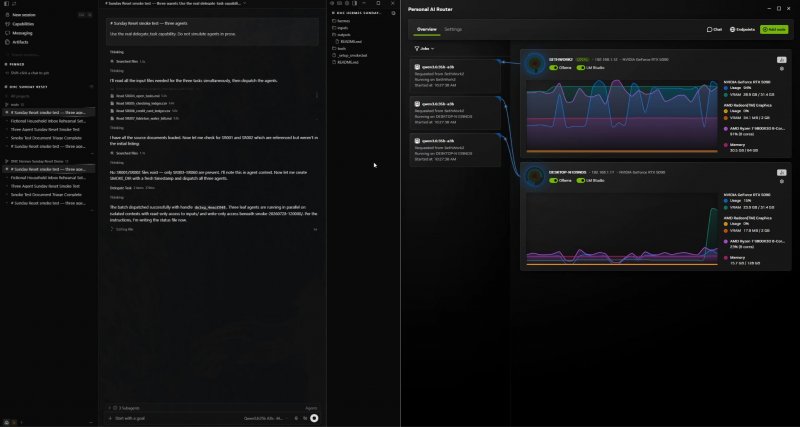
Discussing the technical aspects in more detail, NVIDIA demonstrated a Hermes example and a workload consisting of five subagents. Using Qwen3.6 35B A3B on a single RTX 5090, the job took an average of 6 minutes and 18 seconds. By performing PAIR deployment on two RTX 5090s, the time dropped to 3 minutes and 48 seconds.
NVIDIA specifies it himself This is not a general benchmark or a promise of linear scaling: Results depend on the model, number of parallel operations, hardware, network, and availability of individual nodes.
PAIR will be released in beta with graphical and terminal interfaces on Windows, macOS and Linux. Officially listed support includes GeForce RTX 20 series and higher, NVIDIA RTX professional GPUs based on Turing architecture or higher, DGX Spark, and Macs with Apple M4 chips or higher.
The project also Free and open sourceso developers can work on device discovery, routing, engine integration, model management, and interfaces. For NVIDIA, the idea is to get something like a small local cluster, rather than turning a home computer into a machine dedicated to artificial intelligence.