
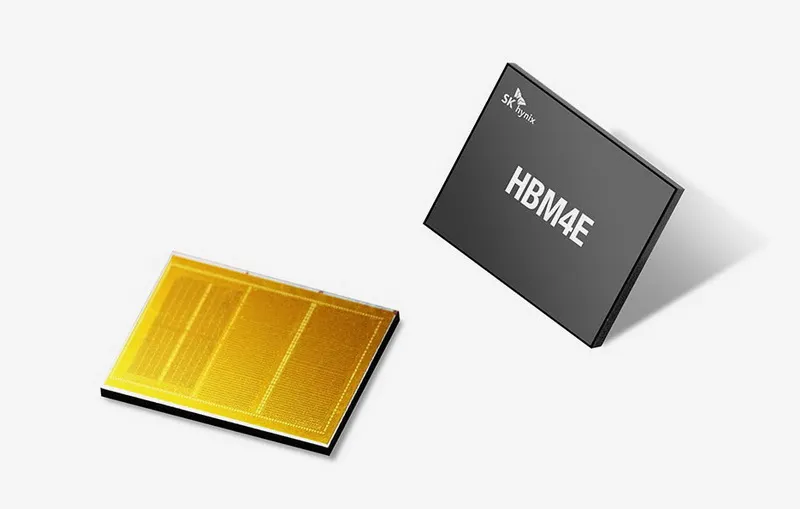
TechPowerUp quoted Korean newspaper Chosun as reporting that SK Hynix is transferring a large part of its DRAM memory production capacity to the latest 1c technology process.
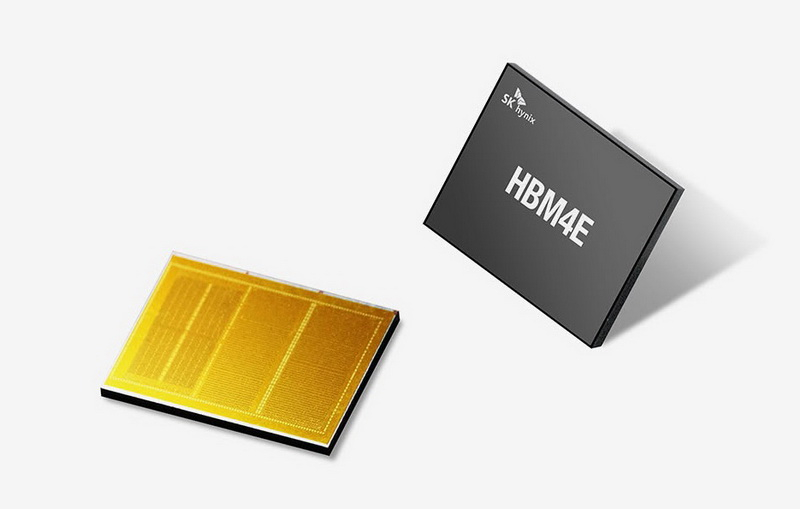
Image source: SK hynix
As DRAM technology matures, the company is shifting production to more advanced 10nm process technology. In the first quarter of 2026, the sixth-generation 1c 10nm process technology accounted for 10% of total production, and this number increased to 13% in the second quarter. In the current third quarter, the company expects to release 24% of its DRAM memory on 1c process technology, while in the fourth quarter, this number will exceed one-third (34%). By the first quarter of 2027, process technology 1c is expected to account for about 35% of total production, and process technology 1b (also 10nm, but fifth generation) will account for 33%, making it the most widely used process technology for SK Hynix.
The production technology process of DRAM is different from the traditional logic technology process, which is the technology process based on which processors are produced. DRAM manufacturers are using different process technologies from 10nm to 19nm (10nm level) and scaling up by adding more EUV lithography layers or improving other characteristics. For SK Hynix, the currently dominant process 1b uses 12-13 nm in actual size and includes about four layers of EUV lithography, while the most advanced process technology 1c involves scaling down to 11-12 nm using 5-6 layers of EUV lithography. SK Hynix will use 1c process technology to produce HBM4E, LPDDR6 and DDR5 memories. SK Hynix uses the older 1b process technology to produce DDR5, LPDDR5X, HBM3E and HBM4 memory.
In comparison, other DRAM manufacturers such as Samsung currently use the 1c process for only 16% of their production capacity, while SK Hynix’s is 13%. Micron’s ratio is 19%, but SK Hynix is rapidly increasing production capacity and is expected to surpass both companies in the fourth quarter by switching to 1c process. In the future, as DRAM size shrink becomes more and more challenging, SK hynix will explore other process technologies: The standard planar 6F² transistor structure faces physical limitations when shrinking in size. The future is 4F² vertical gate transistors and 3D DRAM stacks that will power the next era of DRAM, but SK Hynix will be using the 1c node for many years to come.
If you find an error, select it with your mouse and press CTRL+ENTER.