

Intel is preparing to raise the price of PC processors again. Taiwanese publication Digitimes reported the news, citing supply chain sources. Processor prices are expected to increase by approximately 10% starting from October 5th. The report did not specify which Intel chip families would be affected by the change.
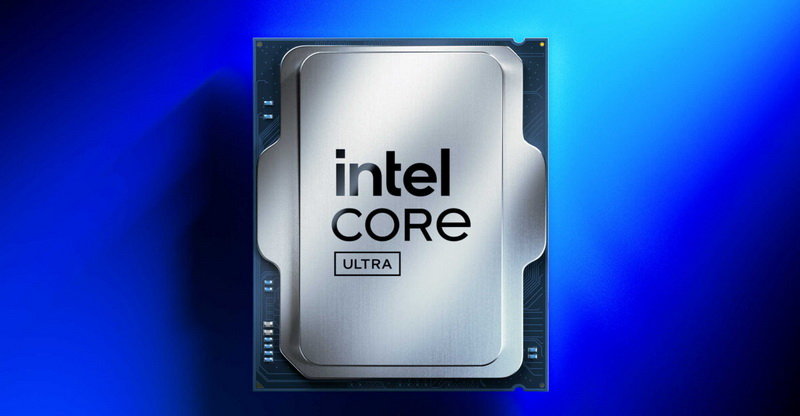
Image source: Intel
According to Digitimes, the company has increased the price of its processors several times since the end of 2025. In the first quarter of 2026, the company increased the price of PC chips by about 10%. Then there was another tweak in July, covering both consumer and server processor models. Prices for consumer models have reportedly increased by tens of dollars, with some server models increasing by more than $1,000.
Some of these changes already appeared in July, when Intel confirmed it was increasing the MSRP of its Core Ultra 7 270K Plus and Core Ultra 5 250K Plus consumer models. The price of the former has increased to $349 from $299 at launch, and the price of the latter has increased from $199 to $229. Intel attributed the change to rising supply chain costs and strong demand.
“Supply chain sources say Intel PC processor prices will continue to rise. It is understood that Intel PC processor prices are expected to increase by another 10% starting on October 5, 2026.”,——Digital era.
Digitimes also reported that Intel is reviewing low-margin “small core” products and may move some of them to EOL (end of life) status. Apparently, this applies to products used in industrial PCs, embedded systems, and the Internet of Things, rather than Intel’s refusal to use E-cores in the Core processor mainline. It is reported that if Intel reduces its share in these markets, Qualcomm and MediaTek may partially offset the remaining demand for such products.
“At the same time, low-margin small-core models may be coming to an end. By reducing the number of low-margin products, Intel CEO Chen Liwu is improving overall profitability. These are strategic adjustments.”,——Digital era.
Intel is prioritizing its own manufacturing capabilities to produce high-margin server processors, putting additional pressure on consumer chip production capacity. Digitimes claims that if the company wants to increase shipments faster, it may have to outsource more server processor production to TSMC.
If you find an error, select it with your mouse and press CTRL+ENTER.