

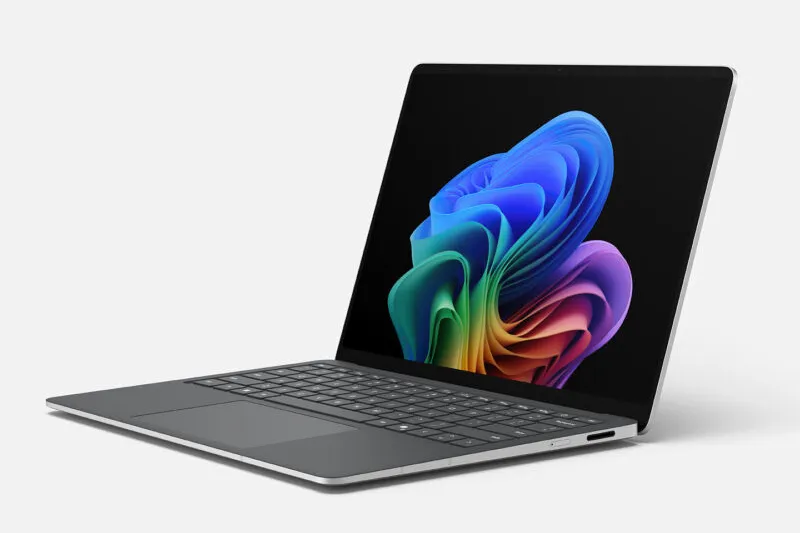
Microsoft made several promises about Windows 11 speed at IFA 2026 – the company promised to reduce operating system boot times, improve Windows Hello responsiveness, and ensure the platform runs smoothly on PCs with 8 GB of RAM.
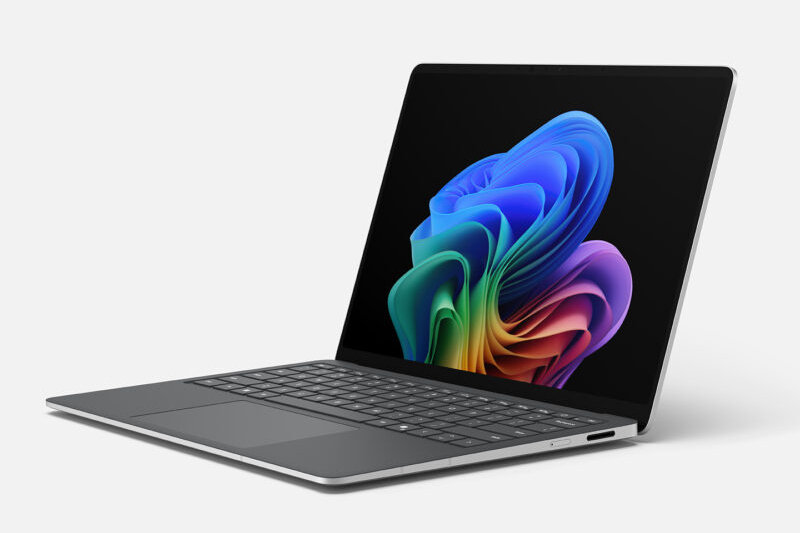
Image source: windows.com
“We’re constantly improving core functionality. We’re listening to customer feedback, and you’ll see the improvements – Windows will get better and better as updates roll out.”“, said Mark Linton, Vice President of Windows and Devices at Microsoft. Obviously, it is understood that the update will first appear in the Windows 11 preview version, and only after that, the public version system will start to accelerate. Microsoft promises to improve the basic working mechanism of Windows 11 – making it faster, more stable, and easier to use; giving users more control over the Windows interface and update tools. The company promises to speed up the Explorer and reduce the memory system of the Windows system.
Previously, Microsoft said it needed to improve the start menu and search functions. Another group of employees is converting some bundled applications from a Web shell to a native application format – the latter works faster. Microsoft has managed to deliver on some of its promises: Tools for managing various elements of the taskbar and Start menu have emerged, the interface has become less cluttered, and apps have started to launch faster thanks to “low latency profiles.”
The promise of improved performance on a computer with 8 GB of RAM is especially tempting – this year Microsoft released a Surface Laptop with this feature, but in reality it had problems launching the Teams Messenger and Google Docs services. The company has yet to overcome the difficulties of releasing updates; but guidelines state that the Windows startup screen should appear on laptops within 15 seconds of booting, including initializing the BIOS. Microsoft has not announced a timeline for improvements.
If you find an error, select it with your mouse and press CTRL+ENTER.