

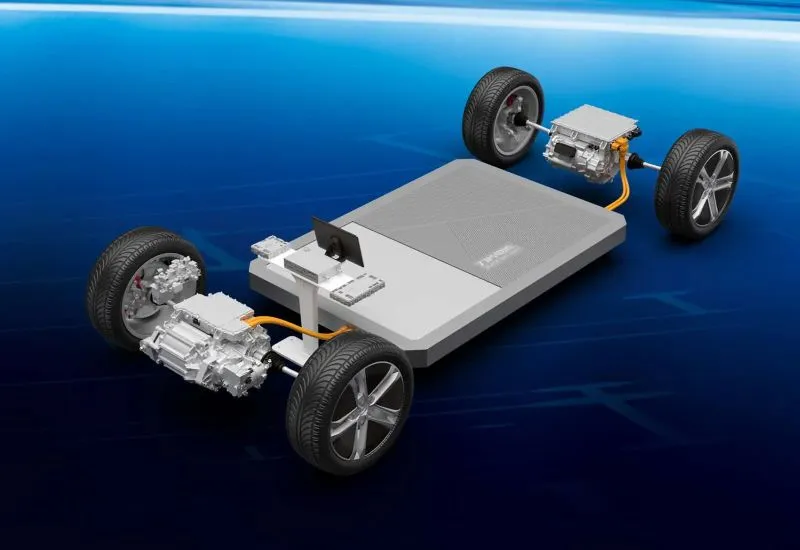
An important step in the development of electric vehicles should be to begin the transition to power batteries with solid electrolytes, which promise to increase energy storage density and shorten charging times. BYD, the world’s largest electric car maker, has pledged to launch its first model based on solid-state batteries next year.
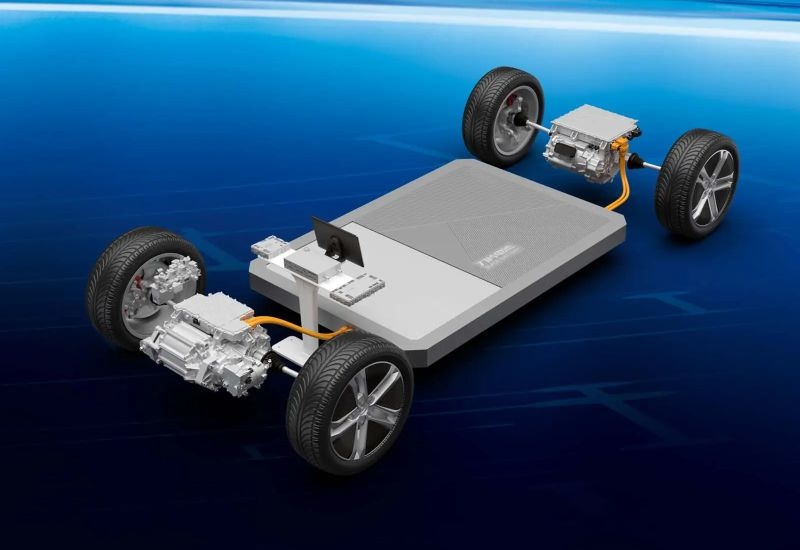
Image source: BYD
Let us recall that BYD’s historical business journey began as a lithium battery manufacturer. It still ranks second in the global market, second only to CATL in this field. BYD is able to equip electric vehicles with its own power batteries, which to a certain extent has helped BYD become the largest supplier of such transportation.
BYD Executive Vice President Liszt was interviewed by Carwow in Spain Made it clearThe company is also steadily advancing the production of solid-state power batteries. According to her, BYD is studying all possible types of power batteries in its laboratory and conducting specialized development. “In terms of solid-state batteries, BYD occupies a leading position both from a commercial production line and from a technology perspective. To prove this, next year we will launch a model that is the first to adopt this technology.” – Stella Lee admits.
The FinDreams subsidiary plans to use an inorganic solid-state electrolyte based on lithium thiophosphate (LPSCl) with added chlorine. Prototype cells with capacities from 20 to 60 Ah are capable of delivering an energy storage density of 400 Wh/kg. Under laboratory conditions, sulfides provide high ionic conductivity, but scaling up production of the appropriate type of battery has so far been problematic. In addition, during operation, power batteries are not only exposed to extreme temperatures but also to vibrations, which must be taken into account in the design of the battery cells.
Competitors are not idle either. Toyota plans to launch electric vehicles using solid-state power batteries in 2027-2028, and Samsung SDI plans to master the mass production of such batteries in 2027. According to China FinDreams management, the company will be able to produce about 1,000 solid-state power batteries next year, but mass production will not start until 2030. The first batch of electric vehicles using such batteries are likely to appear in the product lines of high-end brands such as Denza and Yangwang. Because in this case, it’s easier to justify its high cost. In addition to new equipment, the cost of producing solid-state batteries is also increased by the cost of the materials themselves. BYD is also involved in a government-funded solid-state battery development program. BYD experts said they will coexist with traditional lithium-ion batteries on the market for 15 or 20 years, and the migration process will not be quick.
If you find an error, select it with your mouse and press CTRL+ENTER.