
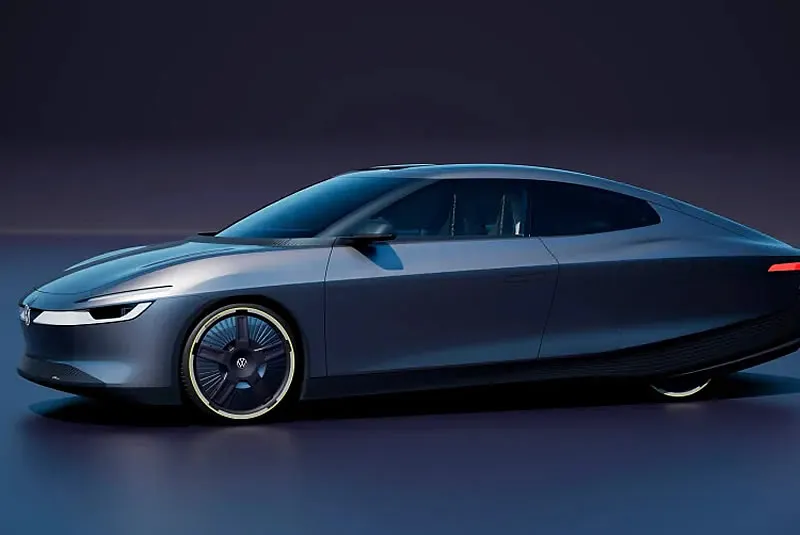
German automaker Volkswagen has unveiled its Mission Efficiency electric concept car, which sets records for both aerodynamics and energy efficiency. The prototype can travel more than 1,200 kilometers on a single charge, making it the most economical electric vehicle close to mass production.
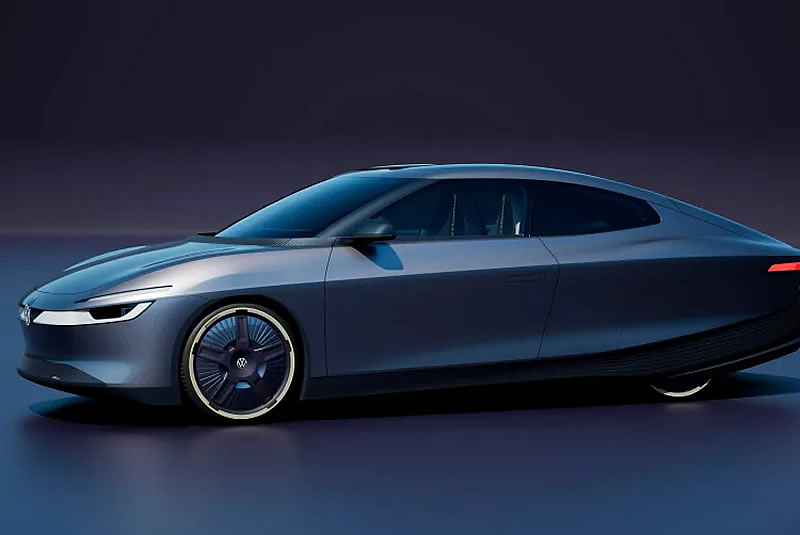
Image source: Volkswagen
The new product is built on the MEB+ architecture and uses front-wheel drive components from the upcoming ID model. Polo and ID. fork. The coupe’s main feature is its drag coefficient Cd of 0.158, making it the most streamlined road car in the world. When tested at a constant speed of 68 km/h with non-essential systems such as air conditioning turned off, the car consumed only 6.48 kWh per 100 kilometers traveled.

The practical benefits of this optimization were evident during a real race from Wolfsburg to Vienna. The battery capacity is 54.9 kWh (net power) and it can travel 1278.36 kilometers on a single charge. By comparison, the base version of the Tesla Model 3 has a battery capacity of 57.5 kWh and a rated range of 438 kilometers. The average energy consumption of the Volkswagen is 6.89 kWh/100 km (taking into account charging losses – 7.51 kWh/100 km), and the average speed is 67.72 km/h. After arriving at the destination, the battery still has 164 kilometers of endurance.

The prototype’s appearance is entirely subordinate to the task of minimizing aerodynamic drag: teardrop silhouette, closed wheel arches, frameless windows and recessed door handles. There is a protective panel at the bottom of the body, and there is no central touch screen inside, which is conducive to the concept of “bring your own device” and is equipped with a docking station for smartphones or tablets.
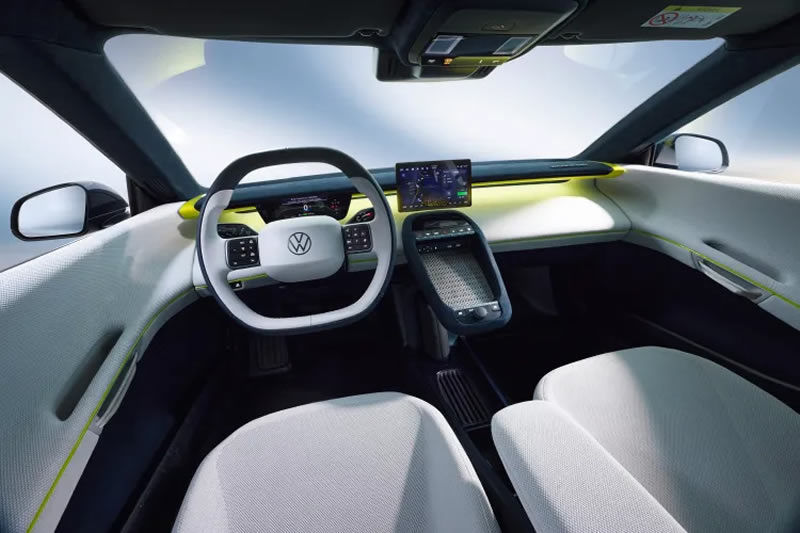
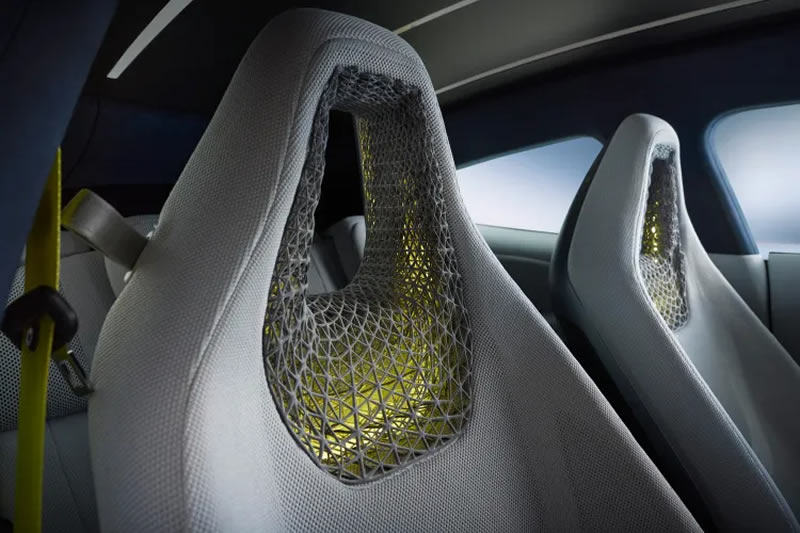
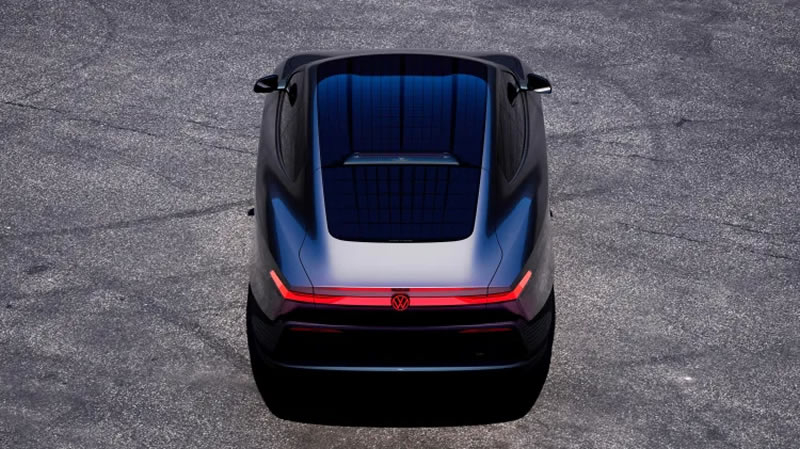
Solar panels integrated into the roof provide an additional range of up to 30 kilometers for auxiliary electronics.

At the same time, VW stressed that the prototype’s record-breaking performance was not the result of the use of unusual electric motors or batteries. The company put its main focus on the car’s design, essentially rethinking the body of the compact ID. polo.
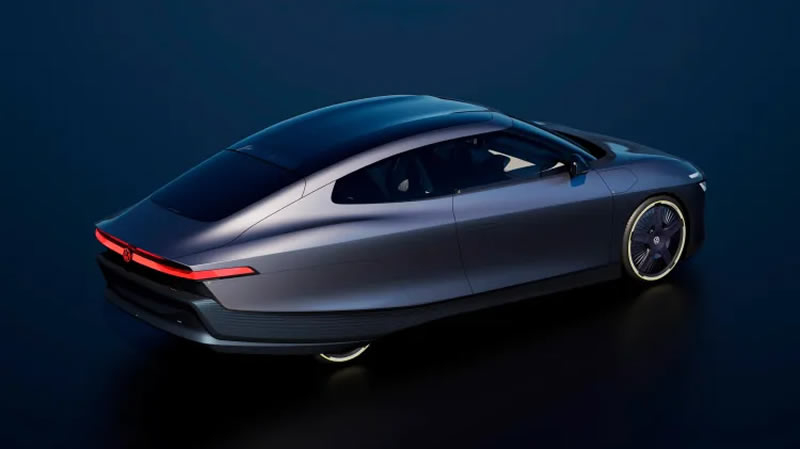
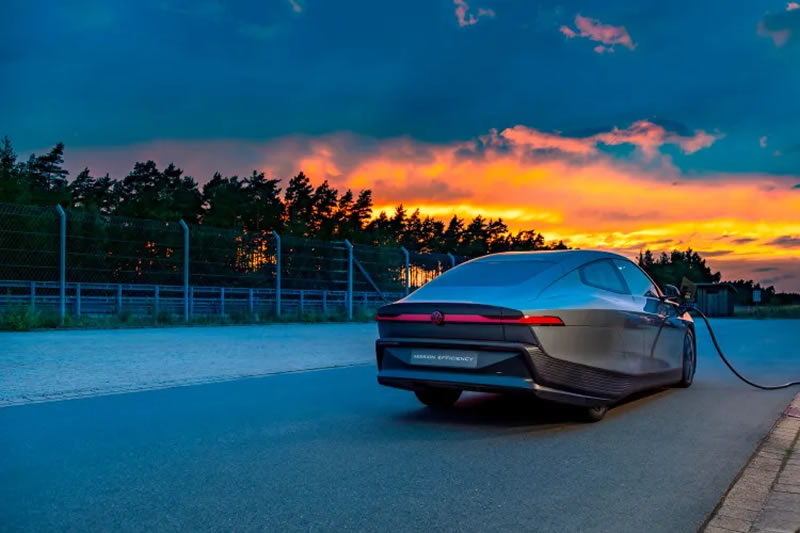
Other automakers are now working on similar developments to make electric vehicles more efficient, so the main question remains which mission-efficiency elements will eventually make their way to production cars, and whether buyers are ready for such an unusual, streamlined body.
If you find an error, select it with your mouse and press CTRL+ENTER.