
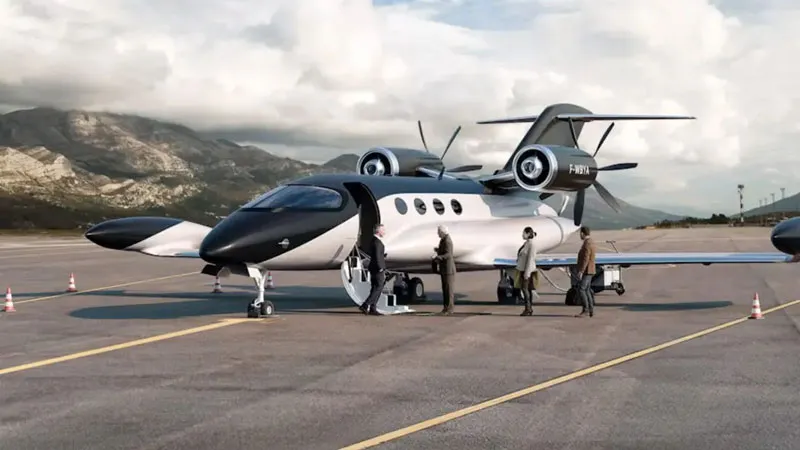
Eco-friendly aircraft powered by hydrogen fuel cells stuck Solve the problem of cooling the battery and power unit. Jet-fuel engines do not present such difficulties, but hydrogen requires a powerful cooling system within the aircraft, which affects the aircraft’s appearance. TAT Technologies and Beyond Aero are paying close attention to this issue in the One business jet project that can carry 6 passengers and has a range of 1,500 kilometers.
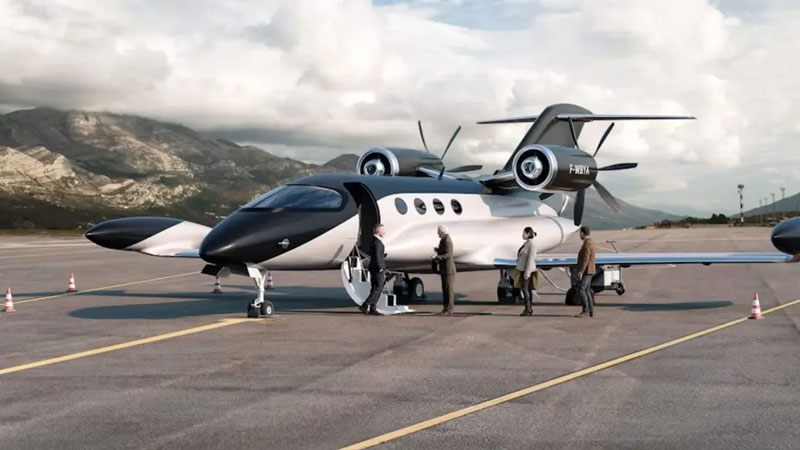
Image source: Beyond Aero
The basis of this aircraft power plant will be a low-temperature PEM (proton exchange membrane) fuel cell, in which hydrogen gas is combined with oxygen from the air to form electricity and water. However, the high efficiency of fuel cells poses an engineering problem: even if the efficiency is significantly higher than that of a heat engine, most of the remaining energy is converted into heat. Beyond Aero estimates that a system of approximately 1 MW would require a considerable order of magnitude of thermal power consumption. In a conventional jet engine, some heat is lost along with the hot gases, but in an electric aircraft, a separate cooling system must be created.
The thermal control system became one of the most complex elements of the project. Fuel cells require large heat exchangers and strong airflow, but large air intakes increase drag and reduce range. Therefore, the cooling system should be an integral part of the aircraft design and have minimal impact on its aerodynamics. Another challenge is ensuring sufficient oxygen is supplied to the fuel cells at altitudes where air density is lower, which requires the placement of powerful compressors.
In the design of the One aircraft, the developers abandoned liquid hydrogen in the early stages of the design and chose gaseous hydrogen, which is stored in cylinders with a pressure of 700 atmospheres. This option is simpler from an airport infrastructure and certification perspective, although it would require large storage tanks located far away from the aircraft fuselage, which would also impact the appearance of hydrogen aircraft. In this design, the fuel tanks are placed above the wings, as are the two electric motors with propellers.
To add, the project has completed the preliminary design phase (preliminary design review) and has been prepared for detailed development and certification in accordance with the requirements of EASA and FAA.
If you find an error, select it with your mouse and press CTRL+ENTER.