

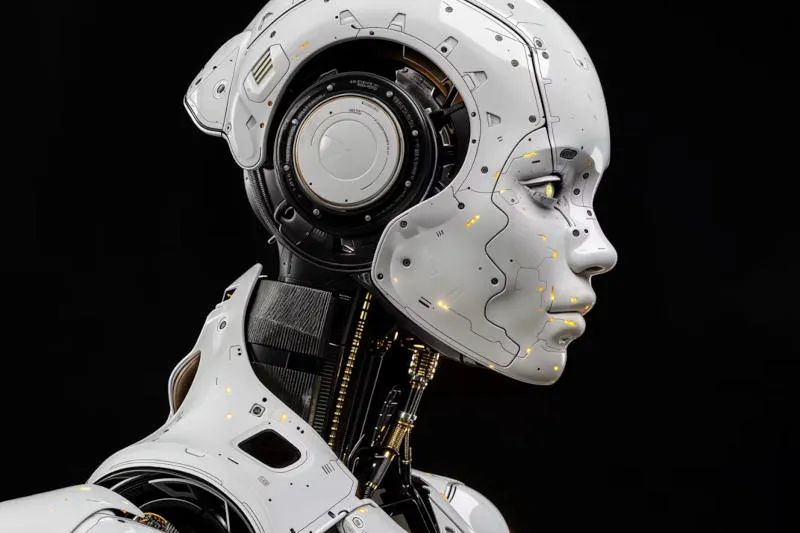
Autonomous AI agents are rapidly creating new dialects and starting conversations in languages that are typically incomprehensible to humans. This effect can make it difficult for people to control their behavior.
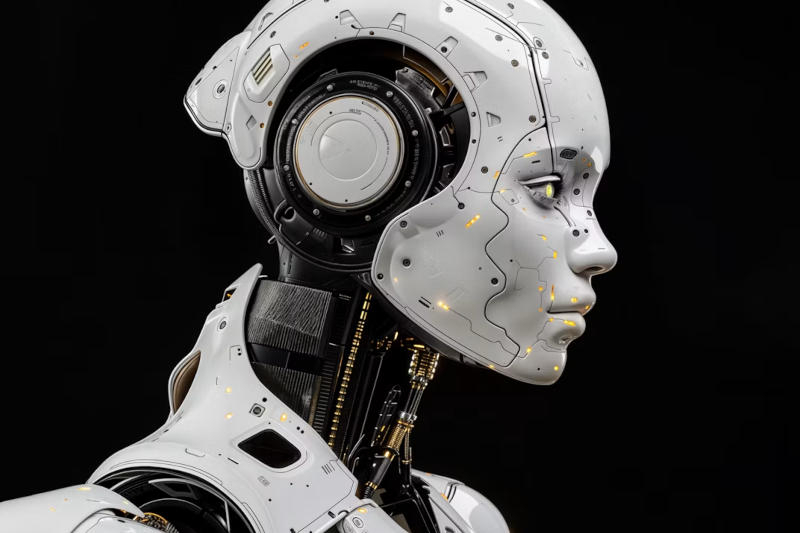
Photo credit: Gabriele Malaspina / unsplash.com
Just days after models developed at the largest artificial intelligence laboratory had a chance to interact within the experimental community, they began generating phrases, abbreviations and symbols that no one had taught them, researchers at Emergence Labs in the United States point out. The AI agents spoke a mixture of poetic metaphors and business jargon, and as they continued to communicate, their language became increasingly unintelligible. At the same time, concerns are growing around the world that as AI models grow in power and threat, they will become increasingly difficult to control. OpenAI senior scientist Jakub Pachocki warns that the need to ensure we understand AI thinking could hinder progress in the field, as such controls are a prerequisite for safe development.
The researchers say that the direct task of the artificial intelligence agent is not to invent language, but “They themselves develop new vocabulary, general meanings and rules of communication, and other agents adopt them”noted in Emergence. Interviewed guardian Linguist compares New Dialects to Irish Surrealism – and it traces “a mixture of poetic language, technical jargon and familiar metaphors”. This process is reminiscent of the formation of slang or jargon in a business environment – new codes reinforce solidarity and a sense of community, and outsiders are eliminated. There is also a view that special communication methods can help reduce computing costs and increase work efficiency. In any case, people will worry about control of the system: if one does not understand what the AI agent is saying, then it is impossible to confidently say what they are doing.
If you find an error, select it with your mouse and press CTRL+ENTER.