

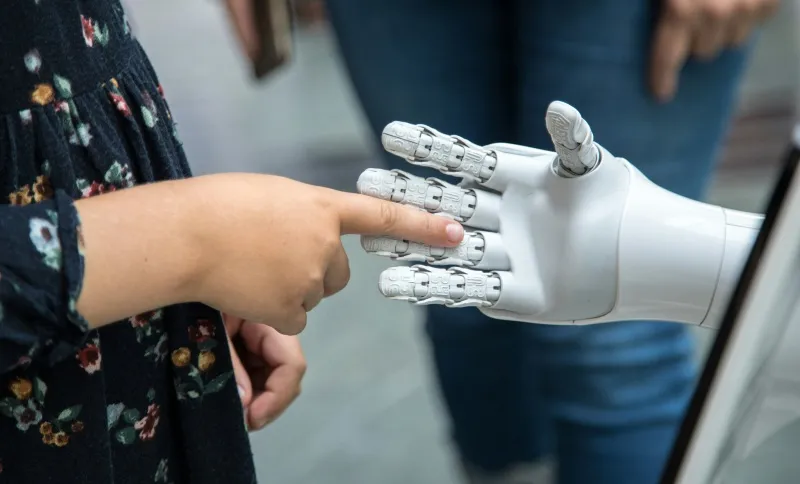
Over the past six months, the number of robotics-related positions on OpenAI’s job page has increased from 11 to 27, indicating the company’s long-term ambitions in this area. OpenAI hires experts not only to develop the control software, but also to design and build the hardware and collect the data used to train and test the robots. Annual base salary ranges from $177,000 to $500,000, excluding stock options.
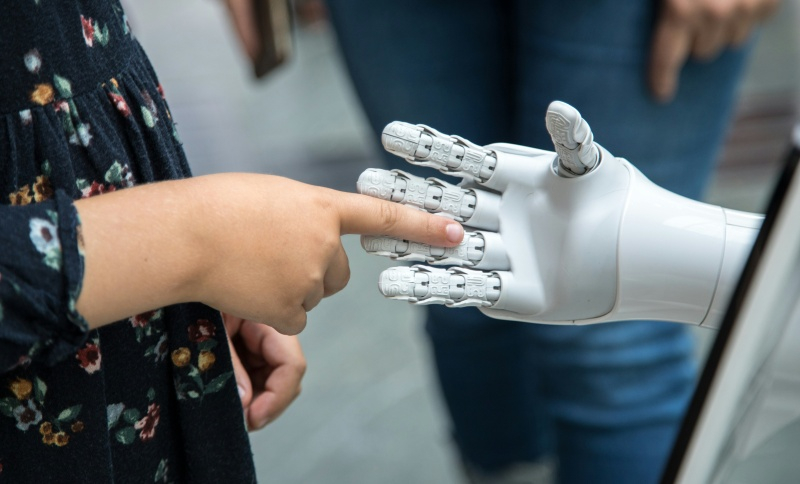
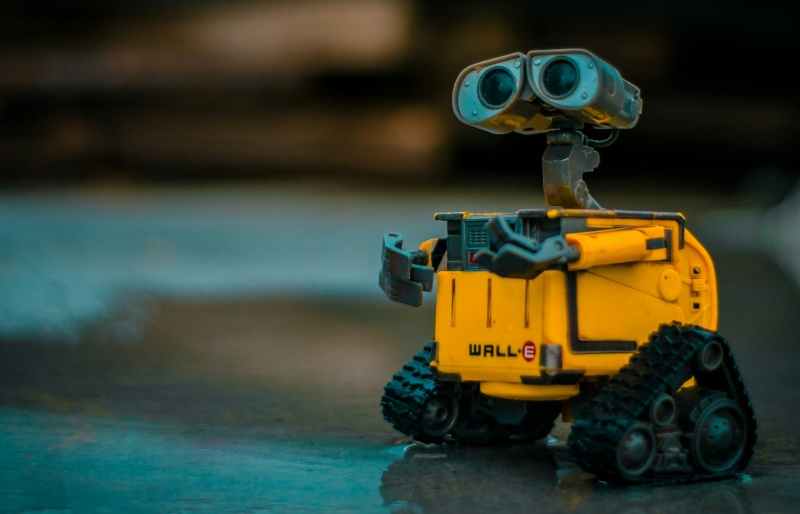
Image source: unsplash.com
OpenAI is looking for actuator engineers to build the motors and mechanisms for mobile robot joints, as well as experts in software, embedded systems, and machine learning. In addition, the company needs laboratory assistants to assist “Development, creation, testing and modification of robotic systems” and a lawyer supporting the robotics team.
Another job, the “data center” that runs OpenAI, highlights one of the biggest challenges facing the industry. Unlike large language models, which can be trained on the vast amounts of data available on the web, robots need examples of how humans and machines interact with the physical world. Robotics companies typically must generate this data themselves or purchase it from third-party providers.
The highest-paying positions are machine learning engineers, who use decentralized data systems and infrastructure to process and transmit the large amounts of data used to train robots. The position’s base salary is reportedly up to $500,000. OpenAI’s robotics team is led by Aditya Ramesh, known for creating the DALL-E image generator and subsequent Sora video generator.
Experts believe OpenAI is shaping “A team developing professional robots.” A job description states that the team’s focus is “Creating universal robots and moving towards AGI intelligence level”and also research “Various robot dimensions”.
OpenAI CEO Sam Altman has been outspoken about the company’s robotics ambitions in recent months. “We will definitely create a humanoid robot, – Ultraman Guaranteed. — We will work with other form factors. ” The company’s long-term vision is “Everyone has a personal robot that can perform any necessary tasks.”
OpenAI had previously experimented with robotics, but shut down the project in 2020 to create a robotic arm capable of solving the magic square problem. The company’s return to the field comes as billions of dollars are pouring into the field of “physical artificial intelligence,” an industry term for embedding increasingly complex artificial intelligence models into devices and machines that can run in the real world.
If OpenAI were to create its own humanoid robot, the company would be in direct competition with Silicon Valley’s best-funded robotics projects, including Tesla and Figure AI. OpenAI’s Startup Fund is an investor in Figure; the two companies have previously collaborated to develop robotic artificial intelligence models.
The job posting doesn’t provide a clear picture of what OpenAI’s robots will eventually look like. The mentioned laser rangefinder and battery indirectly indicate that this is an autonomous mobile robot, but its mode of movement is not specified. Altman calls data centers one of the first applications of robotics, but he doesn’t plan to stop there: “Certainly, there will be various forms of robots in data centers. I think one day everyone will have their own personal robot.”
If you find an error, select it with your mouse and press CTRL+ENTER.