


According to recently declassified documents, Microsoft and OpenAI executives realized that large language models were built on what one Microsoft executive called predatory technology. “A shocking theft on an unprecedented scale” and “The greatest labor theft in human history”. Microsoft internal documents also point out that generative artificial intelligence products have created “Doom Loop”that would kill “The entire Internet”.

Image source: unsplash.com
Those statements and other explicit statements feature prominently in an unredacted court filing released Thursday as part of a sweeping copyright lawsuit filed by The New York Times against OpenAI. In a summary judgment motion, lawyers for the New York Times laid out a series of admissions made by Microsoft and OpenAI executives in documents and testimony that have so far remained sealed or redacted at the request of Microsoft and OpenAI.
The lawsuit cites an internal Microsoft document that says artificial intelligence products steal content from creators and then return traffic to them, disrupting their business models. “Millions of people around the world will soon discover that the ‘hijacking’ of all their works using large-scale models is an act of shocking theft on an unprecedented scale. – says an internal Microsoft document. — Almost no one expects the content they create to be used in this way, and no one is compensated for it. “
Microsoft executives, including Chief Executive Satya Nadella, testified under oath that copying content from The New York Times and other news sites reduced click-through rates by more than 90 percent. “Our AI content strategy has begun a ‘cycle of disruption’ that will harm both the performance of our model and the entire network: it is highly unusual for an end product to threaten the economic basis of its key suppliers, but this is exactly the situation we have created for the LLM business in relation to its ‘content supply chain’.”the document said.

Documents obtained during the trial also show that OpenAI created “Hacker bypassed New York Times paywall”. The company has admitted that it is ‘Existential threat’ For the news publisher, a software engineer at the company admitted: “No matter how prominently we put the links, users just won’t click on them.” OpenAI chief policy officer Jack Clarke said the company “Creating systems that replace people’s labor and thus form the ‘culture’ of society.”
“Generative AI could seriously disrupt the employment of those whose data is used to train the underlying models.” […] Large Language Models (LLMs) are a product that disrupts its own supply chain. ” Microsoft admitted.
These statements represent some of the most compelling indictments of how neural networks are trained, how they operate, and the direct threat they pose to human work. They’re unlikely to surprise those who follow the development of generative artificial intelligence, but the document as a whole represents an example of developers publicly acknowledging what’s really going on. Almost all artificial intelligence tools have been developed through human creativity and pose an existential threat to the job market.
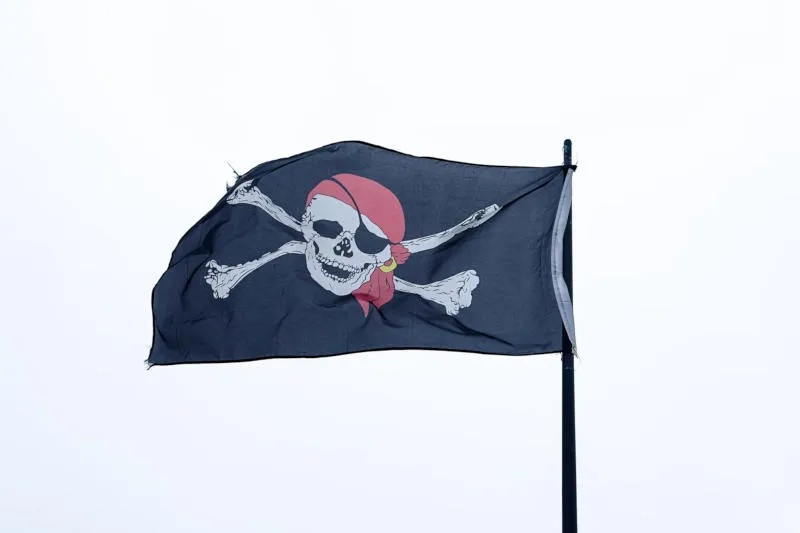
Lawyers for OpenAI and Microsoft have tried to argue that their model training falls under fair use doctrine and is transformative for copyright purposes, and that the products they create are fundamentally different from the human labor they were trained on. Yet, deep down, the leaders of these companies knew: the systems they created were based on stolen content, and the products themselves “cannibalizing” Sources borrowing this content are damaging the web as we know it.
If you find an error, select it with your mouse and press CTRL+ENTER.