

For Yuan✴ Since immersing ourselves in the topic of augmented reality and virtual reality, creating a realistic three-dimensional avatar of the interlocutor in video conferencing mode has always been considered one of the most important tasks. She will share her progress in this area at the Connect 2026 event next week.
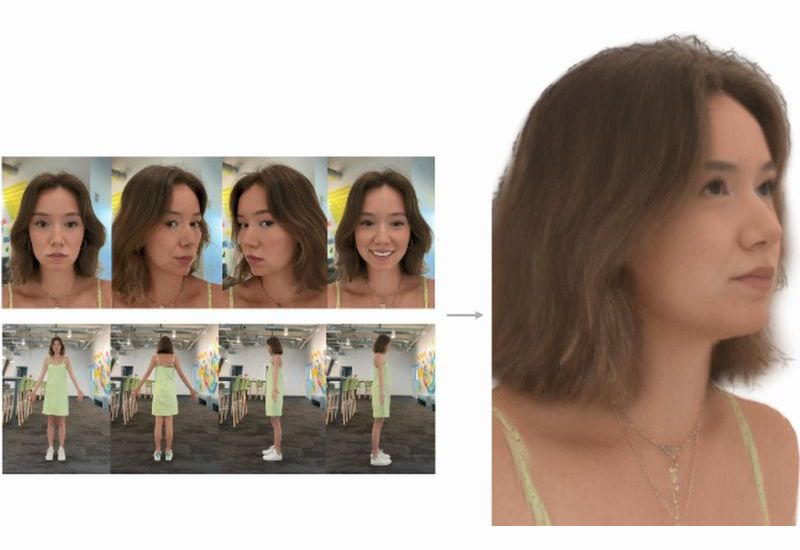
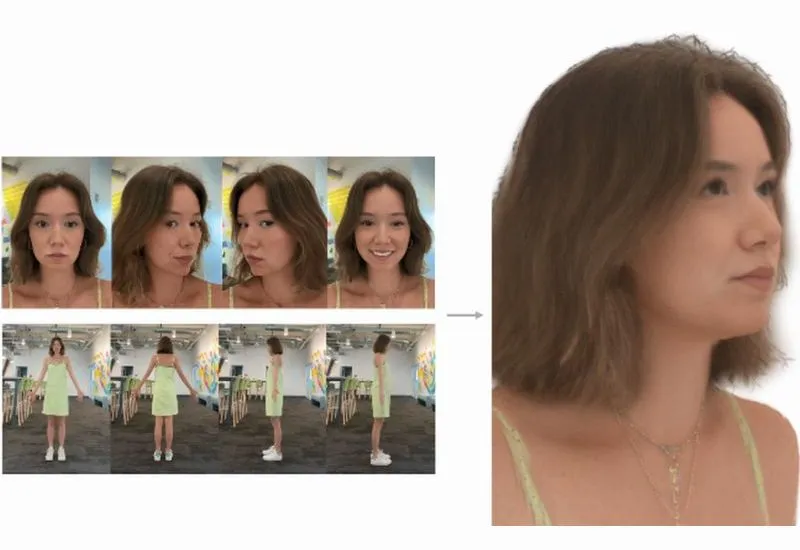
Furthermore, it was reported Upload VR Referring to a report in The Information, the company will demonstrate at this event the ability of its neural network to create a realistic full-length volumetric avatar of an interlocutor that can replicate and display real-time facial expressions and gestures on a wearable device and will be created in seconds based on several photos of the original.
One of the augmented reality devices launched by Meta✴ A lightweight Project Phoenix headset will be launched next week, its market positioning will be close to the flagship Meta✴ Quest Pro, but will be lighter and more compact. The headset will come with a separate computing module, which will be a compromise between portability and performance. In addition to its entertainment functions, the Phoenix was considered by its creators to have some productive functions. In particular, headphones should replace large screen walls; they would be convenient for watching movies. in a separate line of meta code✴ Phoenix calls the Phoenix a “virtual reality headset,” and the device’s exact market niche has yet to be determined.
CEO Mark Zuckerberg and Chief Technology Officer Meta✴ Andrew Bosworth has this month conducted an internal review of the company’s device’s ability to make video calls, showing avatars of interlocutors reminiscent of three-dimensional holograms. It was then decided to demonstrate the Codec avatar technology at the Connect 2026 event, with a live display of Bosworth’s hologram.
Meta demonstrates an early version of the technology✴ Already in the fall of 2023, Zuckerberg’s interview with Lex Friedman was visually transferred into virtual reality, showing the audience not an instant image of the interlocutor, but a lifelike avatar. At the time, powerful computers and sophisticated image capture systems were used to form them, but since then, Meta✴ Significant progress has been made in “lightening” the hardware requirements so that wearable devices can present high-quality holographic avatars to users. Additionally, the initial creation of an avatar only requires a few “primary source” photos, which can be taken with a smartphone camera. The company aims to bring the feature to as many video calling apps as possible.
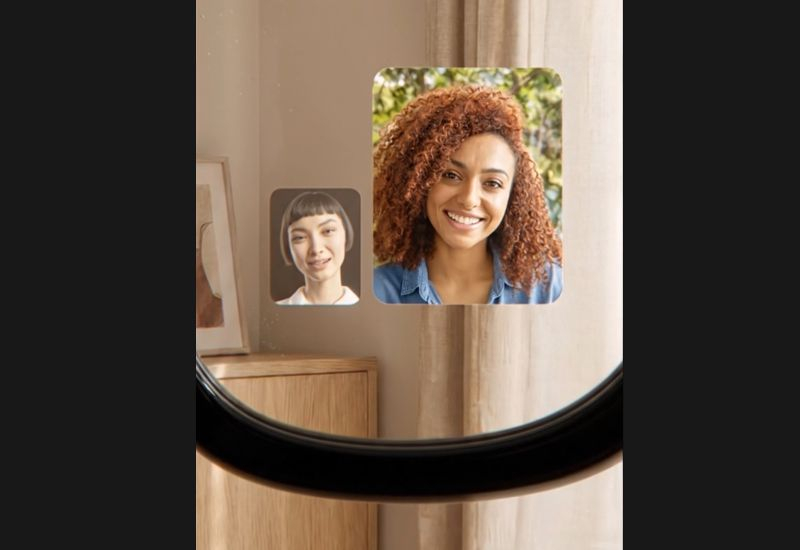
For example, in the Horizon OS operating system, the name Hologram is increasingly mentioned, and it will be used to create animated user avatars in video communication mode through smart glasses with displays. During a video call, the software simply takes a selfie and loads the instantly created avatar into the interface. It was previously reported that next week Meta✴ A production version of Luna smart glasses without a camera may be shown. It is believed that this version of the device will reduce other privacy concerns.
If you find an error, select it with your mouse and press CTRL+ENTER.