



From the moment 3D printing spread to the manufacturing of metal products, it became clear that the field of mechanical engineering was, if not a revolution, then at least beginning to evolve very rapidly. So far, the process has reached Rostec state company report The Additive Technology Center develops 3D printing technology for small arms parts and is part of its United Engine Corporation (UEC).
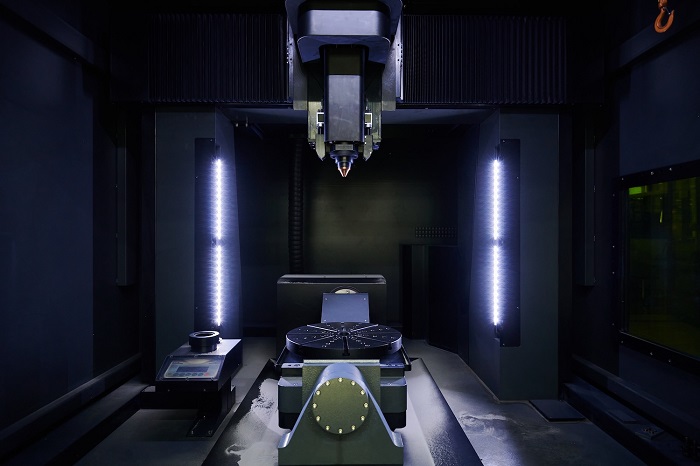
Image source: Rostec.
The Rostec press service clarified that the parts are made from titanium powder using selective laser melting technology. Some argue that 3D printing using this method is much cheaper than producing parts using traditional methods.
Specifically, in this case we are talking about the muzzle brake, which also combines the functions of a compensator and a flash suppressor. In short, this is not to say that this part is the key to the entire mechanism of the weapon, but already, it can be assumed that in the future more important parts of rifles, machine guns and other types of shooters will be produced using this method.
What should be understood is that the real revolution will occur when 3D printers capable of processing metal become common and economically viable. As you can imagine, there are auto repair shops that manufacture parts that the factory has not produced for a long time, and there are also field workshops that repair various military equipment. It’s worth noting that we are not as far away from this goal as it seems.