

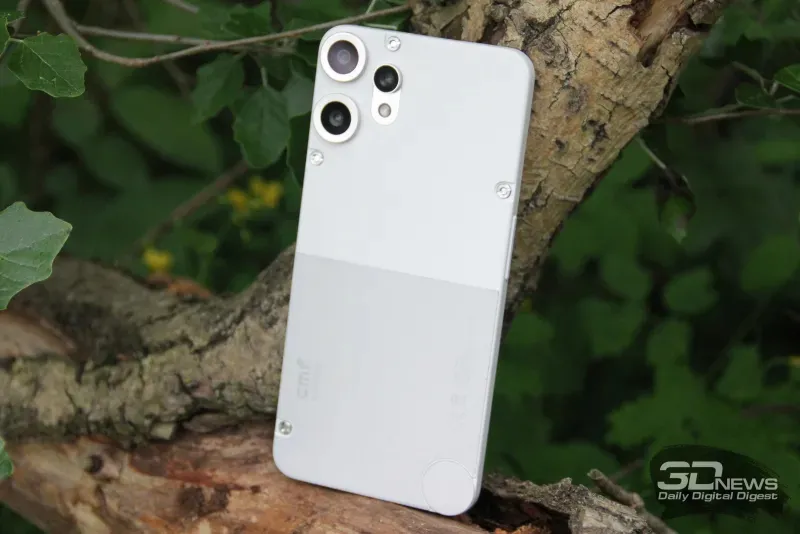
There have been no announced plans to spin off its budget sub-brand CMF into an independent company based in India. Nothing CEO Carl Pei outlined the strategic move in a letter titled “India is inevitable.” In it, he detailed the purpose of spinning off CMF into an independent company.
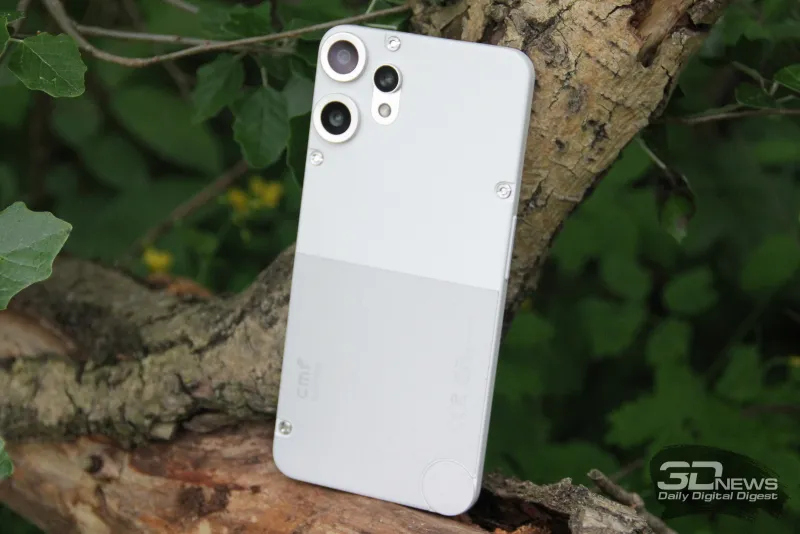
Nothing’s CEO said the move is aimed at building a brand that can compete in the global market in terms of hardware and software standards. As part of the upcoming restructuring, CMF will transition from a UK-managed product line to a standalone company primarily owned by India. No company will retain a stake in CMF and transfer the rights to create key elements such as software development, supply chain integration and design development to an Indian legal entity as a permanent technology and brand partner.
Pei made the decision in the context of the broader growth of the global electronics industry, comparing India’s trajectory to historical industrial shifts in Japan, South Korea and China. Although India has become the world’s second-largest smartphone maker, about 99% of the devices assembled in the country are sold in the domestic market. Historically, India did not have its own ODM manufacturers, nor did it have strong R&D capabilities.
In 2015, local smartphone brands accounted for about 46% of the Indian market, ahead of major manufacturers such as Samsung. However, the share of local producers subsequently declined steadily, falling to 1% by 2025. This happens because foreign competitors offer more advanced hardware, advanced software and tight supply chain integration.
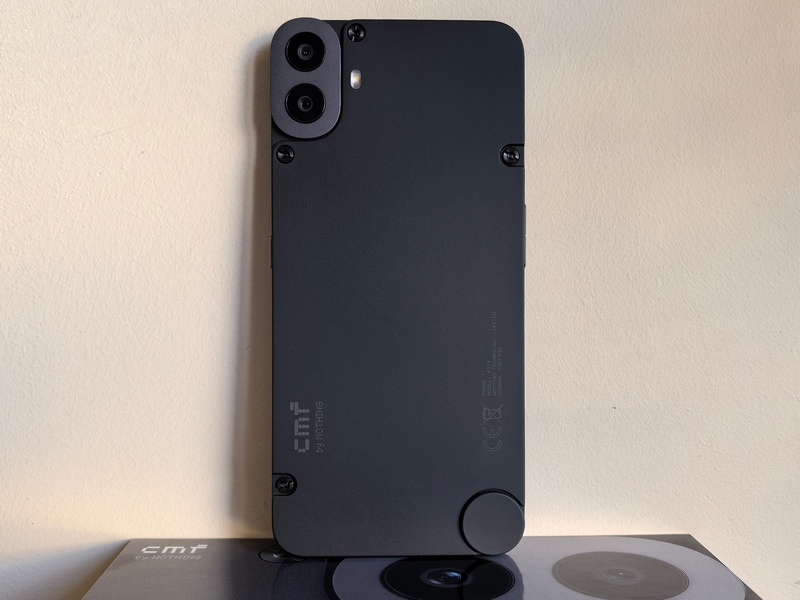
CMF will target India’s domestic market, which sells 150 million smartphones annually and includes the world’s largest youth population. Pei said the current major hurdle for India’s consumer electronics ecosystem is not manufacturing infrastructure but the lack of domestic brands that can set specifications for local component manufacturers.
According to Pei, real R&D is about five things that can be tested: “Who designs the design: materials, thermal properties, strength, and color? Who selects the camera sensor and creates the image processing pipeline? Who writes and maintains the operating system and commits to providing updates over the years? Who reconfigures and certifies the antennas when the design changes? Who works directly with suppliers to test and co-develop displays, chipsets, and camera modules?”
If the honest answer to most questions is “our manufacturing partners,” then the brand is simply choosing the phone rather than designing it. “There’s nothing wrong with that,” Pei pointed out. It just limits what the brand can do. If he can only choose from existing products, he can basically compete on price, but there will always be someone offering a similar product that’s cheaper. In turn, a company that conducts R&D independently can create something new, reduce costs by reducing profits rather than quality, and get better every year.
By creating an engineering center in the country, CMF intends to expand its production to 100 million devices per year. Reaching this volume will allow us to influence global supply chains. This will help allocate the costs of said developments more efficiently.
Last year, CMF became the fastest growing smartphone brand in India. Going forward, the company intends to leverage local development teams to expand the product line, test hardware solutions and localize software functionality, while maintaining Nothing’s industrial design.
If you find an error, select it with your mouse and press CTRL+ENTER.