


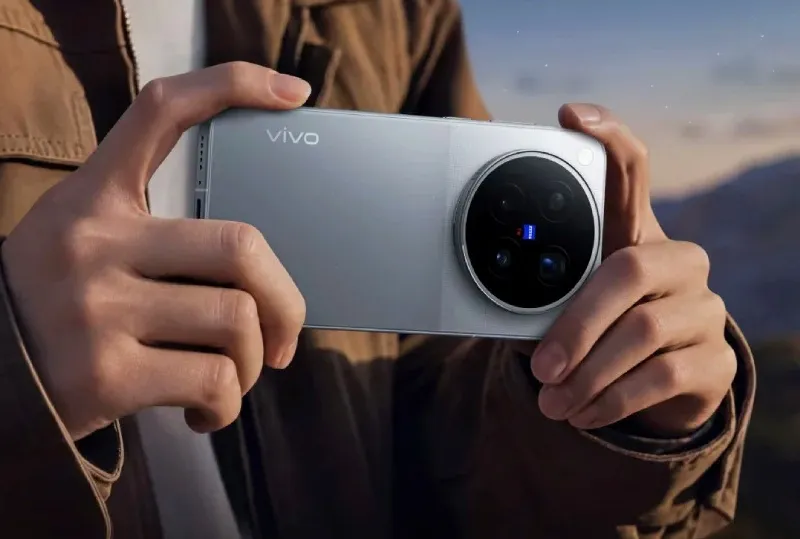
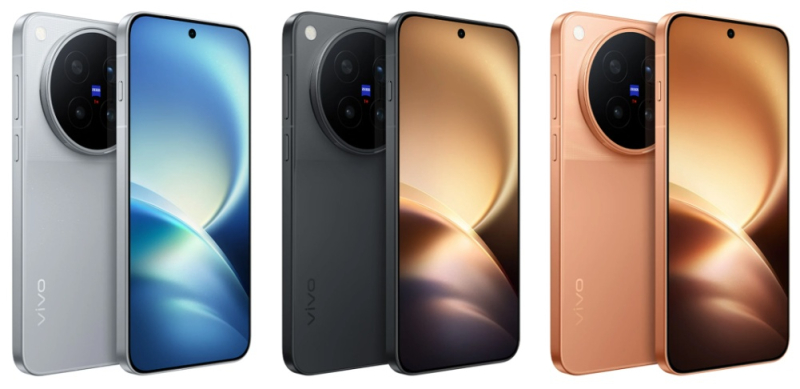
Vivo X500 Pro and X500 Pro Max smartphones were showcased. Both devices are powered by the latest MediaTek Dimensity 9600 Pro processor. According to MediaTek, its single-core performance is 17% higher than the previous generation, multi-core performance is 15% higher, and peak power consumption is reduced by 61%. According to the manufacturer, the smartphones are equipped with a camera system that has a first-of-its-kind sensor with a dynamic range of 17 stops.
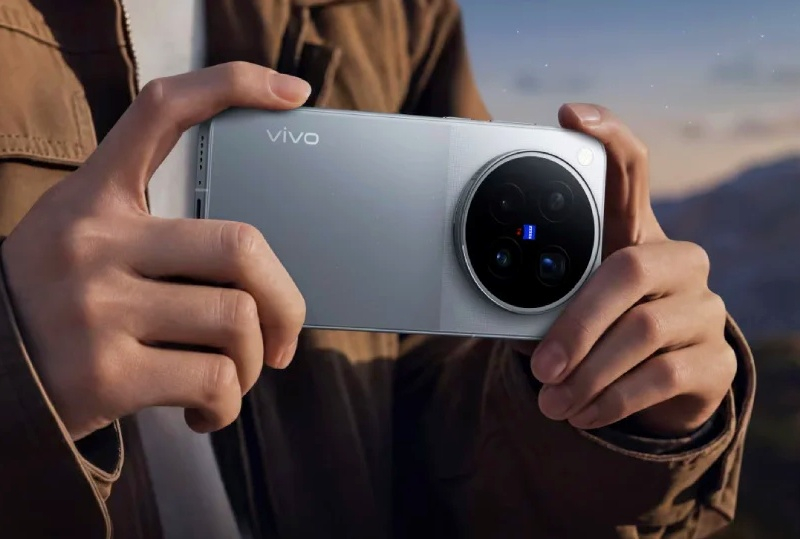
Image source: vivo
Both smartphones are powered by the new MediaTek Dimensity 9600 Pro chipset. Vivo and MediaTek claim it was jointly developed by them. This chipset contains over 33 billion transistors, uses a 2+3+3 CPU architecture (high-performance cores only) and has a 34.5 MB cache. It is also the first mobile chip to support LPDDR6 memory and UFS 5.0 storage.
MediaTek claims that single-core performance has increased by 17% compared with the previous generation, multi-core performance has increased by 15%, and multi-core peak power consumption has dropped by 61%. The built-in neural processor lets you execute MoE-style models with up to 30 billion parameters on your device. Vivo uses this feature to implement functions such as one-click automatic editing of video highlights available on the X500 Pro series.
The Vivo X500 Pro smartphone is equipped with a 6.36-inch display made of Q11 fluorescent material developed in cooperation with BOE. This is an adaptive LTPO 8T panel with a refresh rate of 144Hz, supports Dolby Vision and HDR10+, and adaptive dimming function, with a minimum brightness of 1cd/m² (hardware level). The screen supports circular polarization 2.0 technology and has passed SGS low blue light radiation certification to protect your eyes.
The camera is, as always, the main feature of the X-series smartphones. The main module is built around the new 50-megapixel BlueTouch 900 sensor. Vivo claims this is the first sensor of its kind to offer 17 stops of exposure dynamic range, which is especially important when shooting in difficult lighting conditions. This sensor is paired with Zeiss Super Dynamic lenses and the updated Vivo VCS 4.0 system. ZEISS anti-reflective coating and special glass that deeply absorbs the blue spectrum are also used.
For the telephoto lens, Vivo combines its own BluePrint optics with the 64-megapixel Sony LYTIA 610 sensor, adjusting the system to a golden focal length of 85mm. The company says this is the first solution of its kind in the industry. The ultra-wide-angle camera is equipped with a 50-megapixel Samsung JN5 sensor, and the selfie camera is equipped with a 50-megapixel Samsung JN1 module.
The machine is equipped with a 6510mAh battery and supports 90W wired charging and 40W wireless charging. These numbers are the same as last year’s X300 Pro.
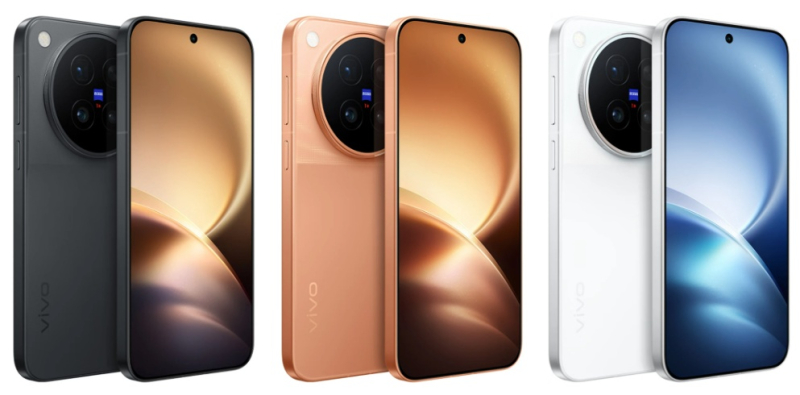
The display diagonal of Vivo X500 Pro Max increases to 6.85 inches. The screen is still based on the Q11 panel, but now features what Vivo says is the world’s first Q11 2K Zeiss primary color screen display. It uses Vivo’s proprietary auto-brightness algorithm designed specifically for this panel, which is tuned to maintain stable color reproduction as lighting conditions change.
The most significant difference, however, is at the rear of the case. The X500 Pro Max is equipped with a 200-megapixel Zeiss APO ultra-telephoto camera with a 1/1.4″ BluePrint x Samsung HP0 sensor. It supports hardware 4x ISZ (in-sensor zoom) zoom without loss of image quality. Vivo pays special attention to keeping moving objects in focus when zooming in at close range.
Battery performance is significantly improved. The Pro Max version is equipped with a battery with a capacity of 8000mAh, while maintaining support for 90W wired charging and 40W wireless charging.
If the built-in zoom function is not enough, both X500 Pro and Pro Max can be paired with the Zeiss G2 Ultra teleconverter, which has an equivalent focal length of 400mm. The remaining features of the X500 Pro Max camera are identical to the X500 Pro model.
The X500 series is now available for pre-order in China. The X500 Pro Max will go on sale on September 24th alongside the standard X500 model, and the X500 Pro will be available on September 29th. Prices for various configurations are as follows:
Vivo X500 Pro
- 12 GB + 256 GB: 6499 Yuan (~$1044 USD)
- 12 GB + 512 GB: 7,499 yuan (~$1119)
- 12 GB + 1 TB: 8,499 yuan (~$1,268)
Vivo X500 Pro Max
- 12 GB + 256 GB: 6999 Yuan (~$1044 USD)
- 12 GB + 512 GB: 7,999 yuan (~US$1194)
- 16 GB + 512 GB: 8,499 yuan (~$1,268)
- 12 GB + 1 TB: 8999 yuan (~$1343 USD)
- Creator’s Package (Content Creator Edition), 16 GB + 1 TB, supports satellite: 12,999 yuan (approximately US$1940)
Vivo has not yet announced the international market price and global release date of the X500 Pro series.
If you find an error, select it with your mouse and press CTRL+ENTER.