


The current events in the world have led to a real crisis in the field of oil logistics and even refining. In many countries that consider themselves developed countries, the price of fuel has skyrocketed and is not always available, especially diesel. Of course, the situation is far from critical, but firstly, it’s not even night yet, and secondly, the various regulatory agencies are clearly preparing for the worst.

Image source: FIA.
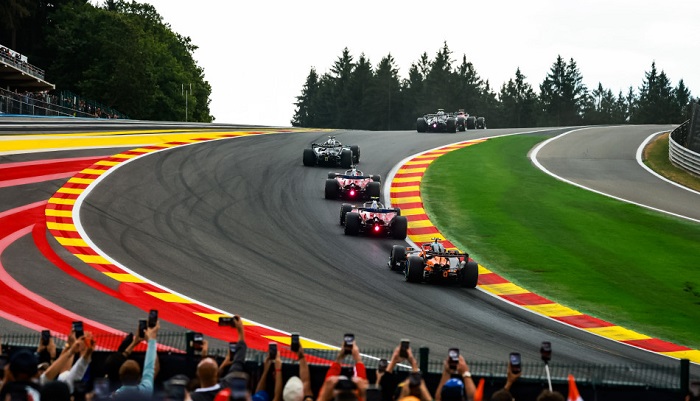
Especially the Fédération Internationale de l’Automobile (FIA) report From next season, the distance of Formula 1 races will be reduced by 15 kilometers – from 305 kilometers to 290 kilometers, a reduction of approximately 5%. Depending on the track, this equates to approximately two to three laps. This decision was purely to save fuel, something the FIA press department did not hide.
A 5% reduction in distance sounds more like FIA advice than a real way to reduce fuel consumption. This is true to an extent: if the fuel problem was really serious, the race would not be shortened but cancelled. On the other hand, don’t underestimate the fuel consumption levels of Formula 1 cars. Depending on the number of race participants, tons of gas can be saved per race.
In addition, we remind you that next year the Formula 1 Grand Prix will be held mainly in the Gulf countries. Exports of oil and petroleum products are difficult, but so far there is no problem with saturating the domestic market (keyword). If the Grand Prix were held in a Western country, the distance would likely be significantly shorter.