


hours ago SpaceX roll out The giant Super Heavy booster crashed into the launch pad of Starbase in southern Texas and began final preparations for the 14th test flight of the Starship system. The launch originally scheduled for the 22nd has been postponed to September 28. This will be historic for the company – the ship will enter Earth orbit for the first time and will launch a work package for the latest Starlink V3 internet communications satellite.
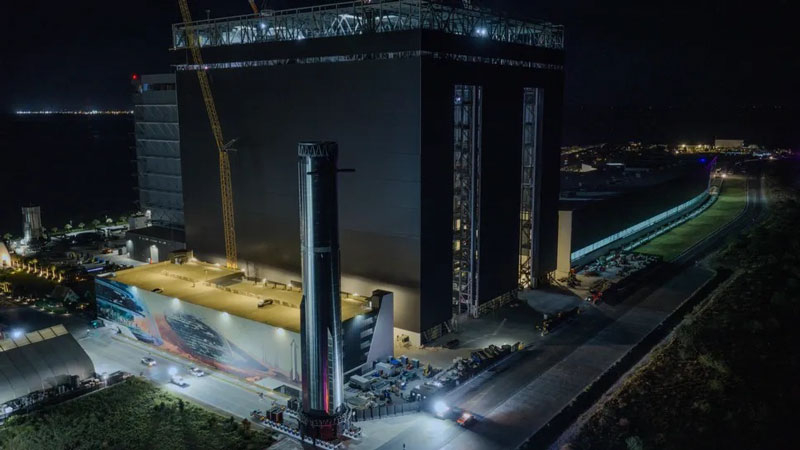
Image source: SpaceX
According to the plan, the Super Heavy booster will perform a controlled descent after separation and splash down in the Gulf of Mexico about seven minutes after launch. The upper stage, or “ship,” will continue flying in low-Earth orbit, where it will release 26 next-generation Starlink V3 satellites – significantly larger in mass and volume than previous-generation devices. Previous Test Flight 13 had shown the possibility of launching such a device, but then they remained in a suborbital orbit and quickly entered the atmosphere, where they burned up rapidly.
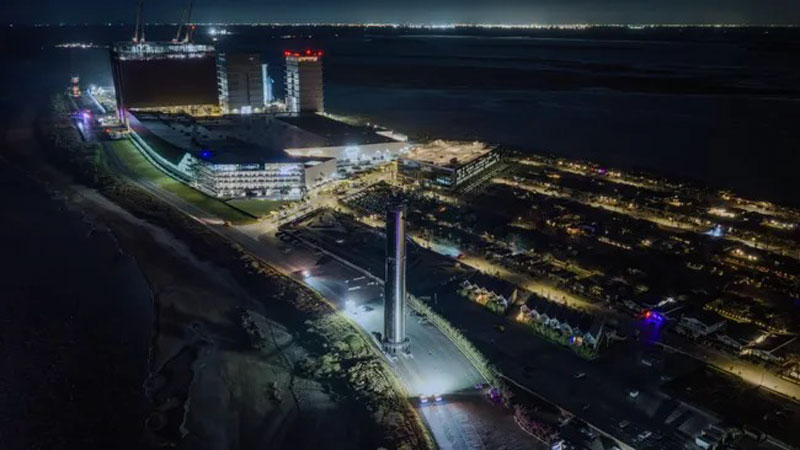
After deploying the satellite, the spacecraft must orbit the Earth approximately six times and remain in space for approximately ten hours. The vehicle will then re-enter the atmosphere and land in the Pacific Ocean off the coast of Chile, a new landing zone from previous tests that ended in the Indian Ocean off the west coast of Australia. At the same time, both stages of the Starship complex were initially designed to be fully reusable: in the future, the Super Heavy and Starship were supposed to return to the launch tower and be captured by the robotic arm for subsequent use. During the 14th test flight, these maneuvers were deemed risky and will be implemented on subsequent launches.
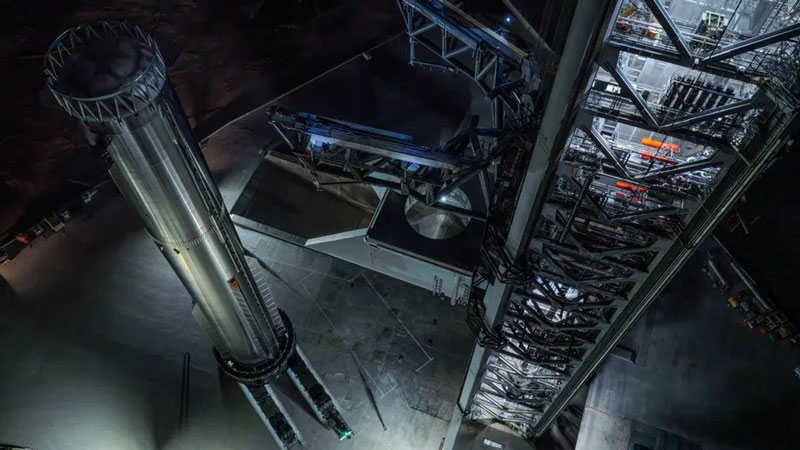
The success of the 14th test flight will be an important technical step towards realizing an operational version of Starship. The system must combine orbital flight, launch of a large payload, and rapid reuse of both stages. The next phase of the program should bring Starship closer to more complex missions, including orbital refueling and a complete return of both stages directly to the spaceport, rather than back to the ocean.
If you find an error, select it with your mouse and press CTRL+ENTER.