
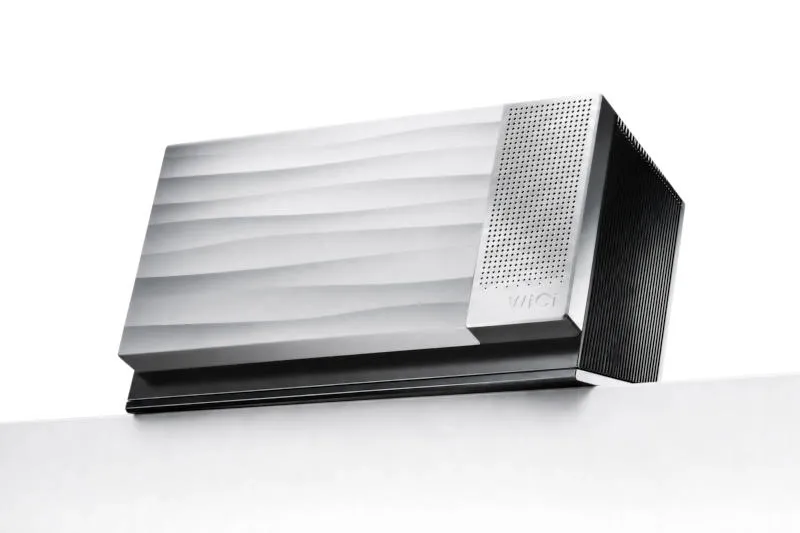
The WiCi One device is designed to run large artificial intelligence language models natively – an external graphics card provides wireless connectivity via the Wi-Fi 7 protocol, has a built-in 4 TB SSD and supports multiple devices. Starting price: $1999.
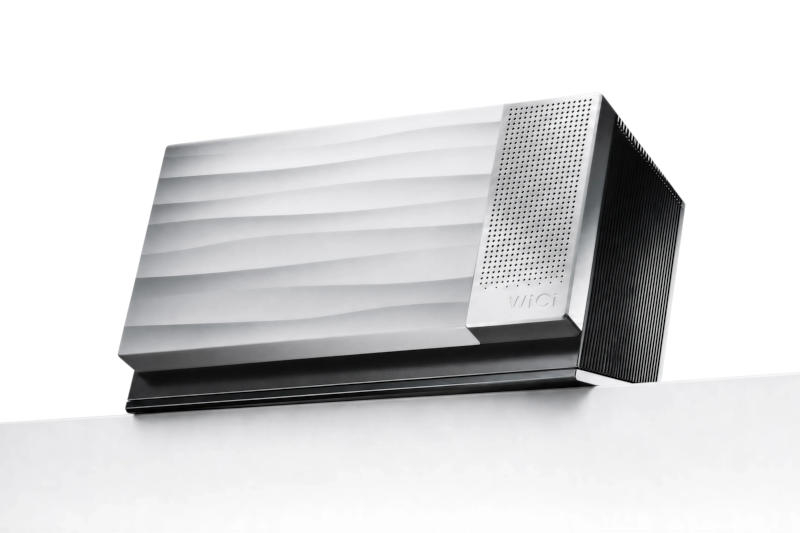
Image source: wici.ai
Features like this are rare in the world of external graphics cards, and the WiCi One deserves special attention, mainly thanks to the Wi-Fi 7 protocol. For correct operation, a driver is installed on the client computer that causes the operating system to “think” it is a regular video card, although interaction with it is actually over the network. Simply moving the workload to a wireless environment will render the external graphics card ineffective because communication between the host and the graphics card involves a large number of small requests and responses – this is not a problem with low-latency PCIe 5.0 technology, but in a wireless network, even basic status polling can take seconds, while large-scale data-intensive calculations can theoretically take hours.

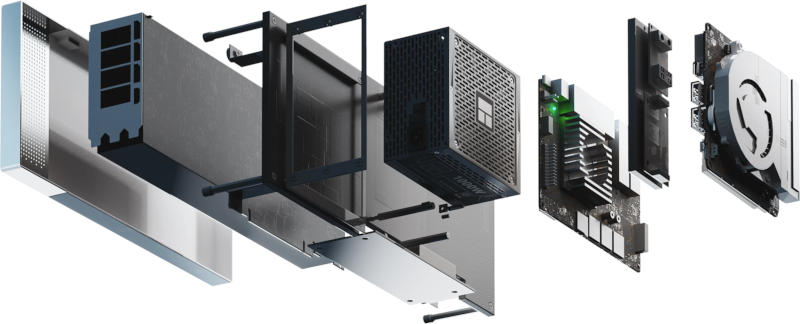
The bundled software makes extensive use of caching, deduplication, data compression and efficient request distribution – some executed locally and some transmitted over wireless channels. This principle of operation has several advantages: In theory, one external video card can be used on multiple computers. Python libraries allow you to use large language models on WiCi One as on a regular graphics card, as well as an HTTP API for network access. It can run Hybrid of Experts (MoE) models locally using the built-in 4 TB SSD for storage.
The manufacturer guarantees that you can run games without any limitations using this graphics card, but doesn’t specify what kind of performance you should expect. The Vulkan API and Direct3D are mentioned, but it’s important to note that not all of these solutions will be implemented at launch. The base configuration is an Nvidia GeForce RTX 5060 Ti graphics card with 16 GB of memory – a trial version will appear in the fourth quarter of 2026, and a release date for the device has not yet been confirmed. The company intends to release an option with the flagship RTX 5090 with 32 GB of VRAM, but did not provide details or an estimated price tag.
The base version with RTX 5060 Ti is available for pre-order at $1,999; retail price is $2,599.
If you find an error, select it with your mouse and press CTRL+ENTER.