

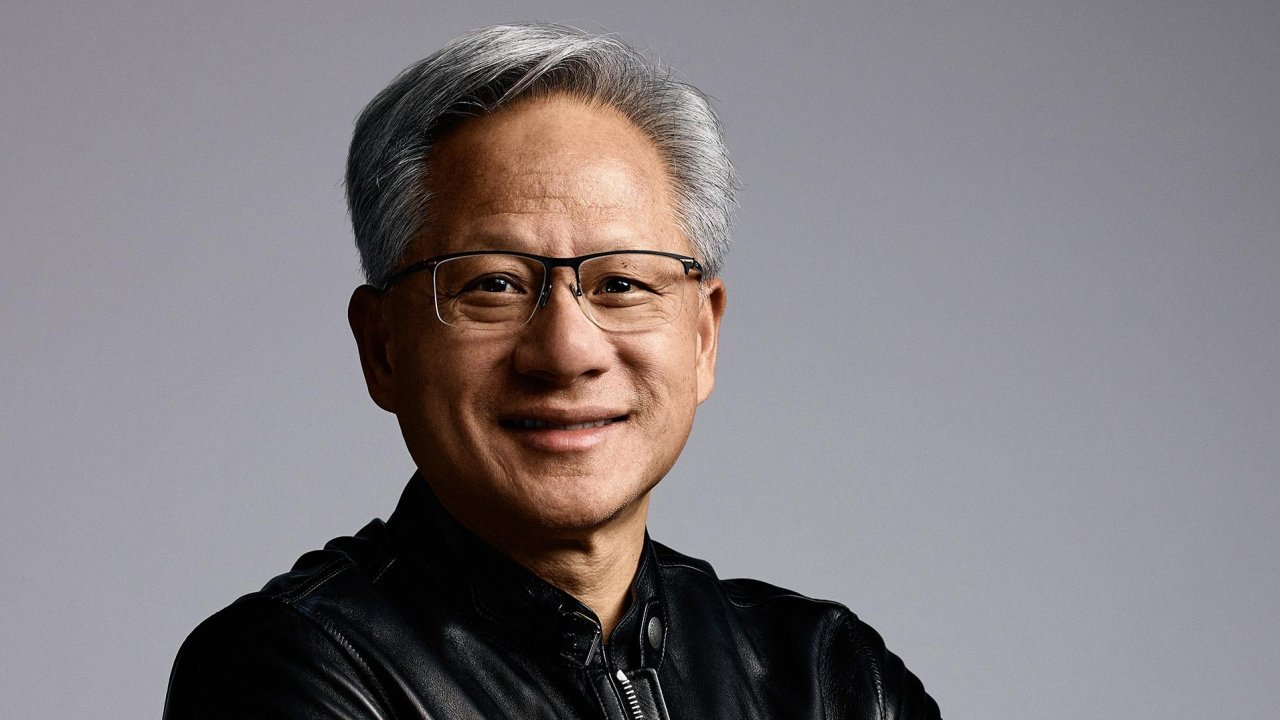
Jen-Hsun Huang, CEO NVIDIAdiscussed the topic Side Effects of Artificial Intelligence on Cognitive Abilities In a recent interview with The New York Times, he also commented on studies that highlight how students can use AI tools to complete tasks faster, but at the cost of less assimilation of knowledge, especially mathematical knowledge.
he did say
Huang believes that the problem of losing basic skills is real, but not necessarily worrisome. When asked whether children might be slowly forgetting concepts like the multiplication tables, division or square roots, the manager responded: “Try having kids do column division today. Multiplication tables are starting to be forgotten. Do square roots, oh my God.” I forgot basic math. Does it matter? I don’t believe it. I don’t think so. ”

Huang thus questions the idea that all skills traditionally considered essential must be retained, arguing that they may emerge in the future Different skills are considered more useful. To support his stance, he also gave a personal example of how the use of technology has changed his habits.
Huang Renxun: To save the earth, artificial intelligence must first make us suffer

“My first confession: I actually don’t know my address. That’s absolutely true…my wife Lori will tell you. One day a few years ago, I had to go get gas. They asked for my zip code and I panicked. I don’t know my zip code. I don’t know my phone number. I forgot these things. I can live with it. “An emotionally charged story that makes us deeply sympathize with his situation, Given that he is 63 years oldbut it’s not clear how it relates to the fact that basic knowledge may suddenly become redundant to all other humans.
However, according to Huang, artificial intelligence may indeed result in a certain loss of “refined intellectual flexibility,” but this can be compensated for by the development of what he calls the ability to “become.” “Systems Thinker”. In his reasoning, some activities considered crucial today may lose importance as they are entrusted to technological tools.
The problem is that it doesn’t seem to take into account the fact that even the most complex reasoning requires basic knowledge. Therefore, if it is missing, it will create huge holes, and it is not clear how to fill these holes through technology. Furthermore, the impact of the adoption of AI on learning, especially among young people, is still being studied and therefore cannot be considered certain.