
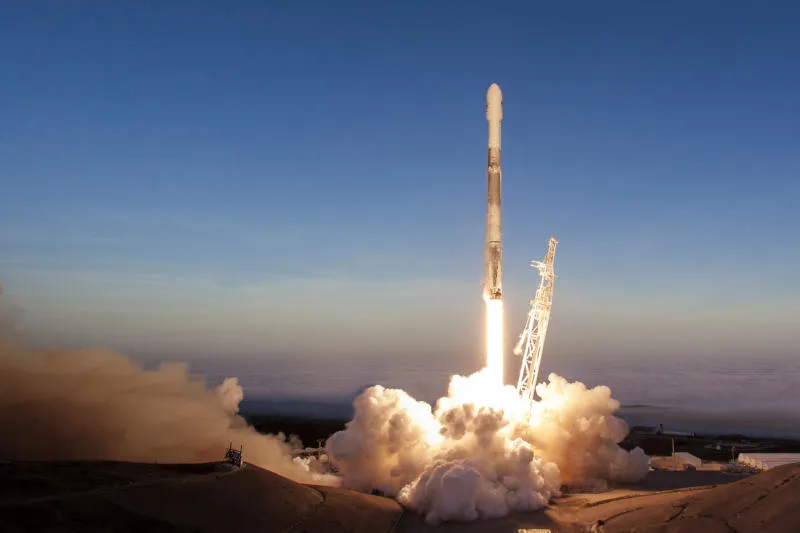
SpaceX is preparing for a future without its Falcon 9 rocket, which remains one of its most important launch systems. The company reports Technical pointsThe company has stopped accepting applications for Falcon 9 missions after 2028 and plans to shift customers to Starship, a large rocket being developed for large-scale satellite launches, deep space missions and NASA’s moon landing program.
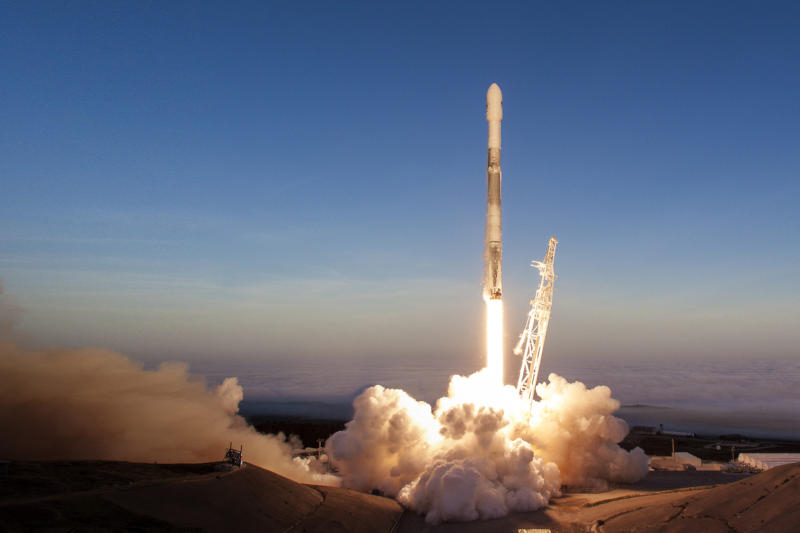
Image source: spacex.com
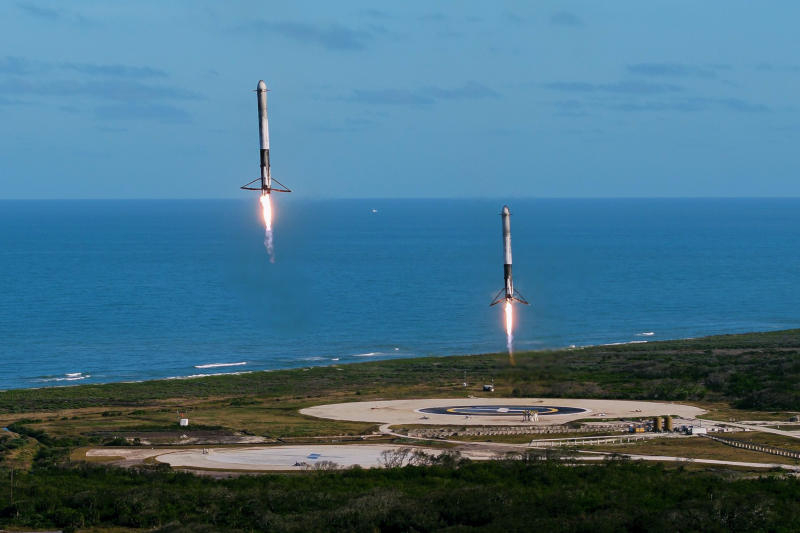
Currently, Falcon 9 continues to do most of the work in the commercial launch market. In 2025, the rocket launched 165 times and successfully delivered all payloads into orbit; only one case of unsuccessful first-stage return was recorded. The rocket accounts for almost half of the world’s launches. Falcon 9 changed the economics of space launches because of its reusable stages and high flight frequency; it also led to the development of joint launch practices—multiple satellite companies can now fit their equipment on a single rocket. This is especially important for start-ups and small operators who cannot afford to do it alone.
If SpaceX stops providing Falcon 9 service after 2028, these customers will need alternative options – other operators may meet some of the needs, but currently no one can match the launch momentum of Falcon 9. As demand for satellite constellation deployment grows, the industry has begun to worry about a shortage of rockets and launch capabilities. CEO Musk has previously warned that SpaceX intends to shift engineering and manufacturing resources from the Falcon program to Starship once the new rocket starts flying frequently enough to justify the move. The operator does this when Starship continues to fly several flights per week. In the future, the company aims to increase the frequency of launches to several times a day, which will allow it to phase out Falcon 9 operations.
SpaceX sees Starship as a rocket that can eventually replace the Falcon 9 and perform tasks that the latter cannot. Starships are designed to carry heavier payloads and fly to the moon and beyond. But so far, the system has not made it into orbit. Testing of the latest prototype began this year, with the first attempt to reach orbit scheduled for September 28. However, Falcon 9 is performing a mission that Starship cannot easily undertake. Today, NASA commissions rockets to deliver cargo and people to the International Space Station; Starship’s upper stage is too large to dock with the International Space Station, so the retirement of Falcon 9 could cause problems if the International Space Station continues to operate after 2028, which is by no means ruled out.
If developed successfully, NASA may have to rely more heavily on Russian Soyuz and Boeing Starliner. But none of these options seem likely to truly replace the Falcon 9’s current role. The choice of 2028 as a key milestone may explain NASA’s Artemis moon landing plan: astronauts should be launched aboard the Orion spacecraft and the Super Heavy SLS (Space Launch System) rocket; the starship must be refueled in orbit—requiring 15 launches—to fly to lunar orbit and send two astronauts to the lunar surface. The mission is planned for 2028. To meet its obligations, SpaceX must ensure Starship is ready by this date. The National Aeronautics and Space Administration (NASA) has resumed the competition to build a lunar landing module; for this project, the only option is Blue Origin. Of course, SpaceX could change tactics and extend the life of the Falcon 9 rocket beyond its planned life; but under the company’s current launch order policy, Starship is expected to be ready to take on these missions within two years.
If you find an error, select it with your mouse and press CTRL+ENTER.