

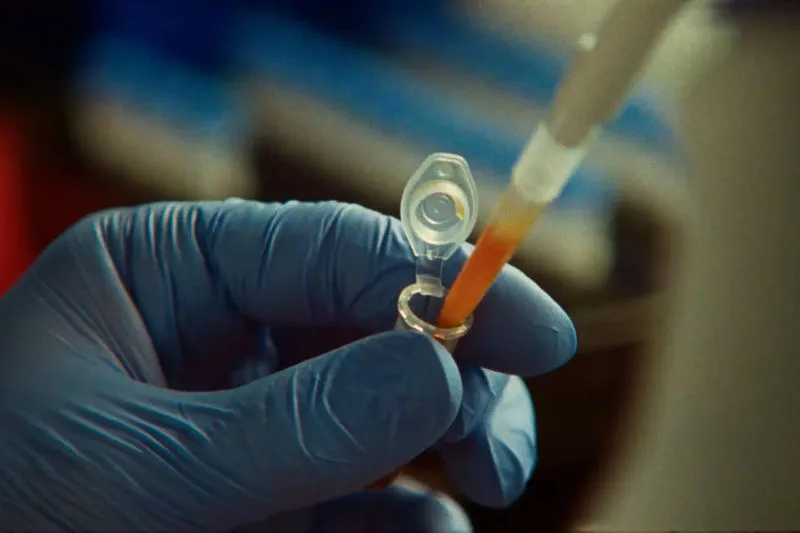
Anthropic’s claim that Crowder’s artificial intelligence agents discovered a previously undescribed enzyme system with repetitive DNA sequences in phage genome data was treated with caution by some scientists. The system’s structure resembles a feature of CRISPR, but its function remains unknown: it’s too early to talk about new genome-editing tools, writes Burundi.
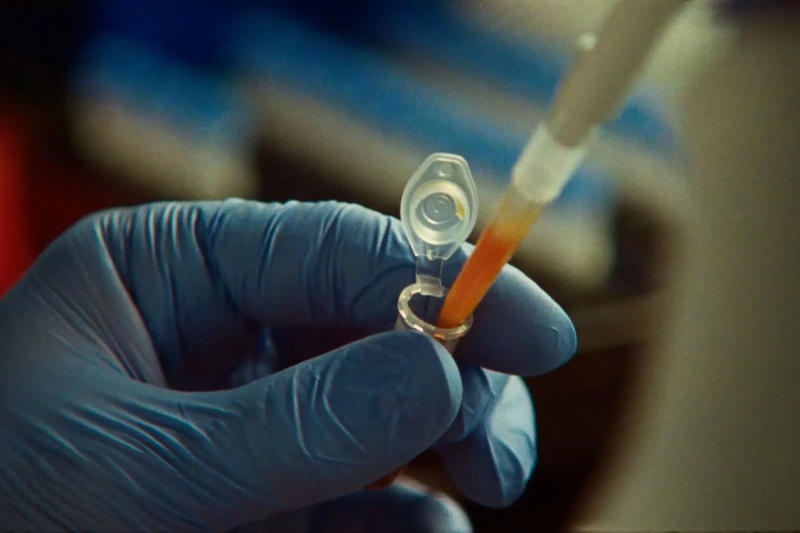
Image source: Human
Anthropic’s autonomous artificial intelligence agent discovered a new enzyme system linked to a specific DNA sequence. This is reminiscent of the human genome-editing technology CRISPR, a revolutionary discovery that won a Nobel Prize. Affected by this news, the stock prices of core companies CRISPR Therapeutics and Editas Medicine have fallen; people hope that artificial intelligence will accelerate biological discovery and lay the foundation for innovative development in the medical field. But some scientists believe the results are preliminary and not indicative of a major discovery announced by the company. “It’s not helpful to present these early, mid-term results as major discoveries. The hardest thing – and this is where the real discoveries are – is understanding exactly how this system works.”,— commented What happened was researcher and entrepreneur Lucas Harrington. He has the support of representatives from the pharmaceutical industry.
Anthropic talked about blogprovided details in a technical paper but did not publish the findings in a peer-reviewed scientific journal. AI Lab researchers and themselves “They don’t know yet”Eric Kauderer-Abrams, director of biomedical research at Anthropic, acknowledges the importance of the enzyme’s discovery. The company is committed to publishing preliminary artificial intelligence research results so that the public and other companies can understand what the technology can do. “The report we released this week describes both how the research was conducted and the nature of the discovery itself. We plan to continue this work with more in-depth experiments to understand its functionality and potential value as a tool.”he explained.
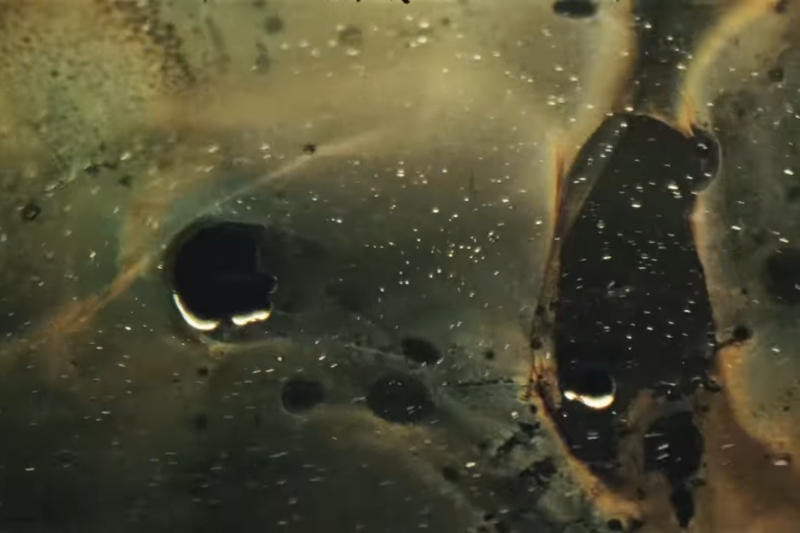
The discovery of artificial intelligence agents demonstrates the ability of artificial intelligence to analyze large amounts of data and identify biologically meaningful patterns. “Many scientific discoveries occur when researchers take a closer look at the data and notice some anomalies that warrant further study. In this case, these steps were performed by artificial intelligence agents working together without human intervention.”Anthropic recalls. Perhaps the ability of artificial intelligence to make biological discoveries with little or no outside guidance may be more important than the results of a particular study.
Today, the researchers recall, there are many computer tools available to search for such CRISPR enzymes, and the people who can report intermediate results with the hint of some kind of revolutionary discovery are not scientists but companies hungry for attention and profits. The current results cannot be called a breakthrough, but artificial intelligence has huge potential as a tool, especially in analyzing DNA data from viruses and bacteria – there is already a lot of data here, and their amount is growing exponentially. In June, Nobel Prize winner John Jumper moved from Google DeepMind to Anthropic for creating the AlphaFold AI system for predicting protein structures. The lead author of the study published in Anthropic is Peter H. Yoon, a former researcher in the laboratory of Professor Jennifer Doudna, who won the Nobel Prize for her research in the field of CRISPR technology.
If you find an error, select it with your mouse and press CTRL+ENTER.