




Japanese e-book distributor and publisher BookLive recently analyzed comics based on title and sales data. The study looks at changes in the content and length of comic titles over time and analyzes buying behavior, diversity in reading habits and the relationship between these factors.
It turns out that modern comics titles are roughly twice as long as they were 15 years ago. Not only did the average number of Japanese characters in the first volume title of a manga increase from 9.14 in 2011 to 18.45 in 2026, but the median number also increased from 8 to 16 characters during the same period. By target audience, the average title of male works contains 17.11 characters, and the average title of female works contains 19.46 characters.
Saving time and money is increasingly considered important by readers, which explains the trend toward longer titles. Longer titles are more likely to be descriptive, reducing the risk of potential buyers being disappointed by the content after purchasing the work. Popularized by online novels, these snippet-like titles are now available as search tags that can be easily entered into the search bar of an online bookstore.
The vocabulary composition of comic titles has also changed. The titles of juvenile and youth-type works include concepts such as “alien world”, “rebirth” and “the strongest”, and often become bestsellers; the titles also tend to reflect the characteristics of the fictional world and the abilities of the protagonist.
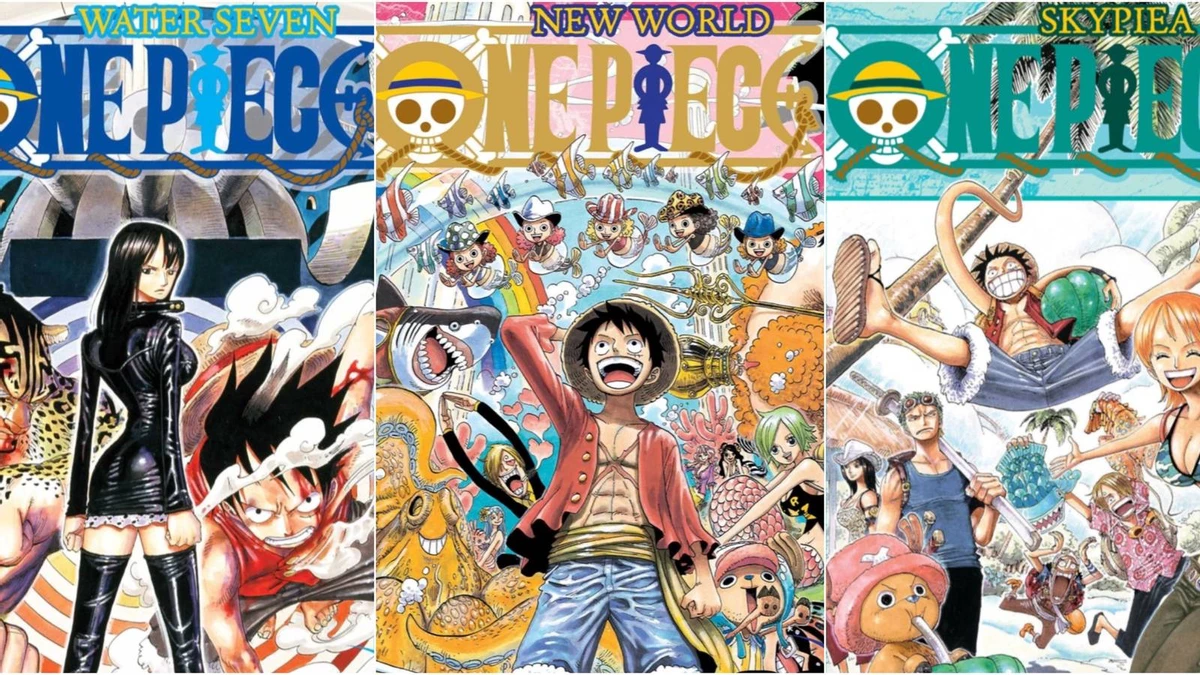
Shoujo manga and women’s manga have evolved somewhat differently. In 2016, popular comics were dominated by works whose titles contained words related to romance: “love,” “marriage,” and “romance.” These stories have been replaced in 2019 by realistic (or, some would say, “dramatic”) tales with titles like “Housewife,” “Exploitation at Work,” and “Neighbors.” As of 2021, BookLive’s bestseller list is dominated by isekai terms: “Young lady,” “Villain,” “Love with all your heart,” “Saint.”
As for bestsellers, it turns out that many readers choose works that are not among the most popular. BookLive’s top 100 bestsellers last year accounted for only 15.3% of total sales, and the remaining 85% were books outside the list. Additionally, 42.9% of readers have not purchased any of the books in the top 100, indicating that most buyers’ interest shifts to non-best-selling titles.
One-time purchases have increased year by year, with the average number of books purchased per transaction increasing from 1.19 in 2011 to 2.82 in 2026, and the average purchase amount has also increased. These trends are observed across a variety of demographic groups, indicating that e-book availability and promotions are encouraging consumers to purchase and read complete book series at once.