
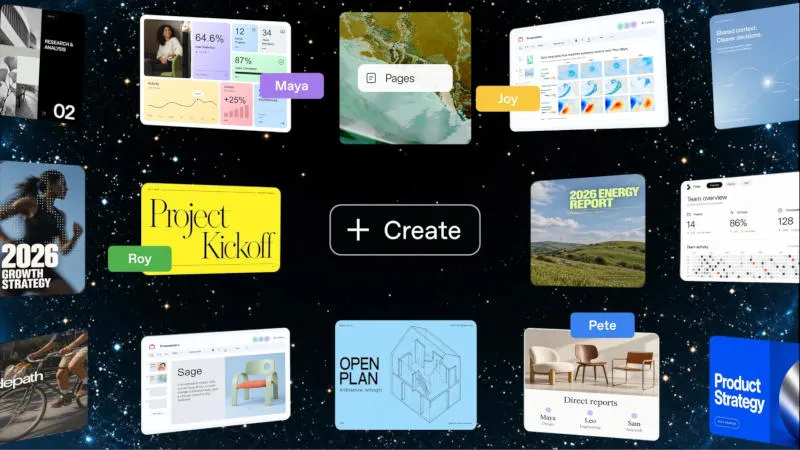
The most important announcements at the OpenAI Dev Day developer conference the day before were the Dots artificial intelligence agent and new AI models; these new products together point to the company’s larger vision-it hopes to disrupt the traditional app store landscape. ChatGPT is evolving into a platform for users and artificial intelligence agents to discover, launch and use software products.
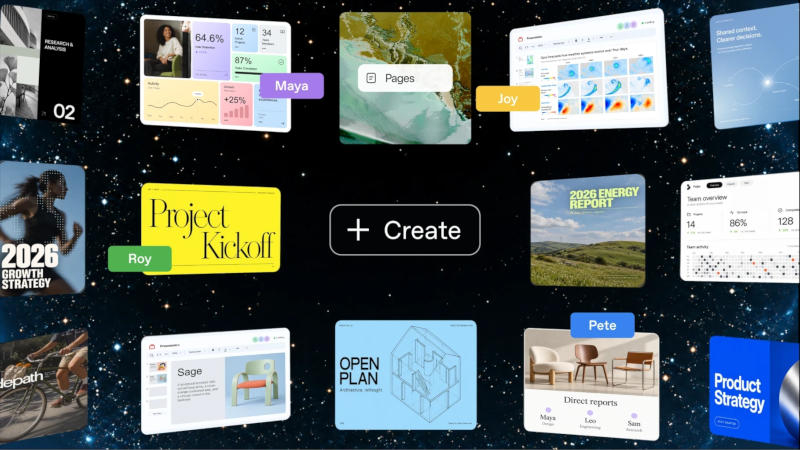
Image source: openai.com
OpenAI introduces a mechanism that allows users to save their ChatGPT configuration files and settings when moving to other services and use existing AI feature limitations in third-party applications. The chatbot, which has 1.2 billion monthly active users, becomes a platform for launching apps – during the conversation, if it recognizes that it can help the user solve a current problem, it will itself provide an app. You can connect to the application and start using it without leaving the ChatGPT interface. This is also supported by enhancements to the ChatGPT plug-in architecture, which now supports full extensions.
Developers can create interactive dashboards that allow users to access tools while chatting with ChatGPT. Applications and services previously available through a browser or native desktop or mobile app can now run directly within ChatGPT. Software developers can now create AI-first versions of their apps, just like web and mobile apps. Considering that modern users find new services through chatbots, this distribution channel seems attractive.
Users themselves are also motivated to use this channel – the “Login via ChatGPT” feature allows you to transfer settings and AI usage restrictions to third-party services. As part of the program, OpenAI already has 16 partners at launch, including Cognition Devin, Notion, Vercel, T3, OpenClaw and Dactyl, and the company intends to attract additional partners soon. OpenAI demonstrated two examples of such applications: the AI could take notes during a meeting and then come up with a summary and next steps; another option is to use design apps like Figma and Adobe, allowing you to edit your current design and use features that previously required separate programs. A lightweight web version of the application built in ChatGPT can be sent to others, such as colleagues. By clicking on the link, a person can log in with his account and his own access rights – using the program is personalized for each individual.

The process for developers to submit plugins for review has been improved, somewhat like Apple App Review. Developers can track review status, see what needs to be fixed, request expert reviews, and update plug-in tools without having to start the application process from scratch. OpenAI has announced a new enterprise application marketplace where partners can offer their products, including Adobe, Figma, Sierra, Decagon, HubSpot, Salesforce, ServiceNow, Harvey, Legora, Palo Alto Networks, CrowdStrike and Baseten. Some customers may allocate a portion of OpenAI’s agreed-upon expenditures to such ancillary software.
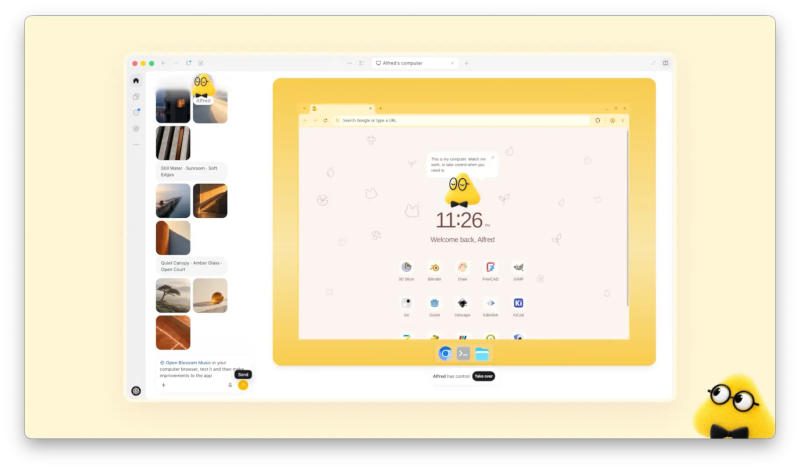
Dots AI agents occupy a special place in the new ecosystem: each agent has its own cloud computer and browser, as well as access to connected applications. The user only needs to tell him what he wants to do, and the AI agent will perform the task himself; in some cases he needs access to another artificial intelligence model or a specific application – he himself provides the user with the best solution, freeing him from the need to independently choose the right tool for the task. Dots connects to the OpenAI ecosystem, which currently has more than 4,000 applications; artificial intelligence agents take proactive actions to provide project assistance or fix bugs, or perform tasks that the user forgot – and this only happens with the user’s approval.
Developers bypass the Apple and Google ecosystems and gain new channels for interacting with customers. You can subscribe to the service through the developer website and then link this account to ChatGPT or Codex so that the AI agent can use the service. Although OpenAI does not state that these features will make it possible to refuse third-party subscriptions or other payments. The company talked about the new mechanism yesterday but has not yet laid out plans to introduce a billing or revenue distribution system like a traditional app store.
If you find an error, select it with your mouse and press CTRL+ENTER.