
Wikipedia is increasingly feeling the impact of changes in information search methods brought about by the development of artificial intelligence. The site’s page views have dropped 8% over the past year and continue to decline. The resource is a key source of data for artificial intelligence models, but they increasingly feed users information from Wikipedia, depriving the site of traffic. This poses a potential threat to the entire ecosystem that supports online encyclopedias.
Image source: Wikipedia
Wikimedia Foundation CEO Bernadette Meehan shared her concerns about the future of the open source project. The problem, she believes, is that while generative AI systems rely heavily on large amounts of information created by people “Wikipedia”some companies refuse to pay to use it. Meehan noted that while the drop in traffic was not unexpected, ‘That doesn’t mean we look at the situation through rose-tinted glasses and aren’t concerned’.
Wikimedia has a project that charges large commercial organizations for reliable, large-scale data access. Well-known enterprise customers who pay 10% of an organization’s operating expenses include Amazon, Google, Microsoft, Meta✴confusion, etc. However, OpenAI and Anthropic, two of the largest developers of generative artificial intelligence models, are not among Wikimedia’s publicly announced enterprise customers.
Meehan said big tech companies have had mixed reactions to the situation. Some of them support the idea that companies that benefit from Wikipedia should participate in its financial support. Others acknowledged that Wikimedia believed the data was being used too much, but still refused to pay for corporate access. ‘We’re not looking for a handout’Meehan emphasized. In her view, Wikipedia is the “foundation” of the world’s global information ecosystem.

Wikipedia makes its content free and has no plans to change that practice, giving it little leverage over AI companies unwilling to pay. About 80% of Wikipedia’s operating budget comes from small donations, a large portion of which comes from banners seen by site visitors. Readers are also a source of recruitment for Wikipedia editors. “If there are fewer readers, the editor’s conversion rate will also be lower.”,” Meehan pointed out.
Meehan drew a clear line between the use of AI on Wikipedia and its use as a complement to the online encyclopedia: AI should assist human editors, not replace them. She believes that five years from now, Wikipedia articles will continue to be written “by people, by people.” Wikipedia’s volunteer community remains mixed about artificial intelligence, but the technology is already being used for tasks such as translation, finding broken links and helping new editors identify editing problems.
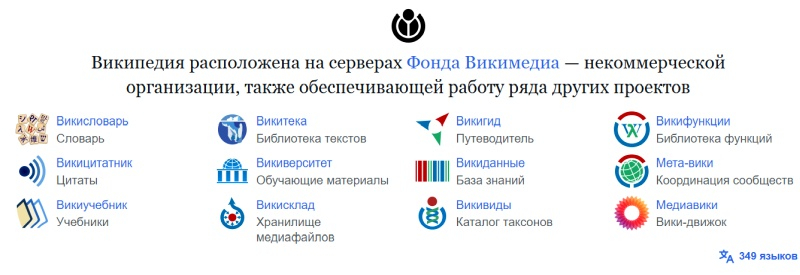
Meehan also addressed the audience, saying that if commercial AI systems become the main gateway to the world of knowledge, they will be left behind. Wikipedia is available in 349 languages, many of which are unlikely to be of commercial interest to AI companies. She also pointed to the risk of an “information divide”, whereby the best way to gain knowledge will increasingly require paid subscriptions to artificial intelligence services.

In the early days of the generative AI boom, Wikipedia became an indispensable resource for these technologies. Now she faces a new challenge: preventing artificial intelligence from disrupting the human and financial ecosystem that makes Wikipedia so important. This year Wikipedia celebrates its 25th anniversary. Let’s hope this encyclopedia survives until the next important date.
If you find an error, select it with your mouse and press CTRL+ENTER.