


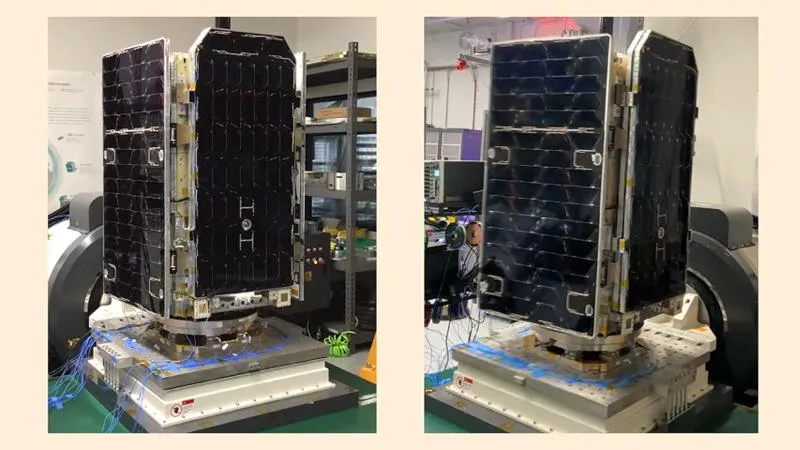
Google’s artificial intelligence accelerator hits orbit for the first time. SpaceX has launched a refrigerator-sized satellite into space equipped with four Google TPUs, a research project the company hopes will pave the way for the creation of orbiting data centers for solar-powered artificial intelligence systems.
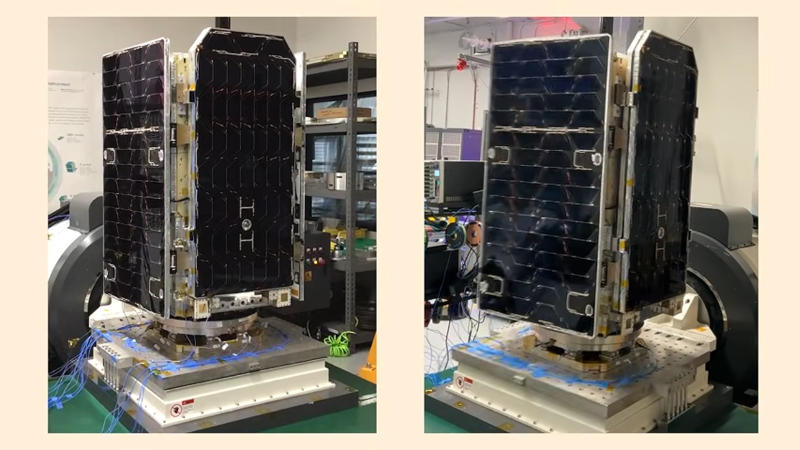
Image source: youtube.com/@Google
The prototype of the Project Suncatcher satellite is equipped with a tensor processing unit (TPU) – an artificial intelligence accelerator developed by Google and actively used in ground data centers. Due to thermal constraints, the system will run the open AI model Gemma. Her work is limited to 15-minute meetings and handling simple requests. The task will help Google evaluate how TPUs respond to “The physical stresses of space flight, as well as radiation and extreme temperature changes in space”.
Due to strong demand for artificial intelligence, Google plans capital expenditures of US$180 billion to US$190 billion this year alone, more than six times the 2022 level. The company is actively developing its computing infrastructure and creating its own accelerators. There is a simmering dissatisfaction with energy-intensive terrestrial data centers, and Google is one of the few companies advocating for orbital data centers – with virtually unlimited free energy and no protesters.
The satellite will be in a sun-synchronous orbit and its solar panels will be virtually unaffected by shadows. This eliminates the need for engineers to equip the spacecraft with heavy batteries or backup power systems. The first to put such a device into orbit was the startup Starcloud – a satellite equipped with an Nvidia H100 AI accelerator, which itself trained an AI model and launched the open Google Gemma. Elon Musk’s SpaceX plans to begin large-scale deployment of orbital data centers as early as 2028.
Google has developed an experimental satellite with Planet; in the future, the technology giant plans to form a group of equipment that can work together to form a space data center. Each satellite will receive dozens of TPUs and be able to exchange data with other devices and the Earth through laser communications. Next year, Google hopes to launch two more satellites into orbit and test communications between them.
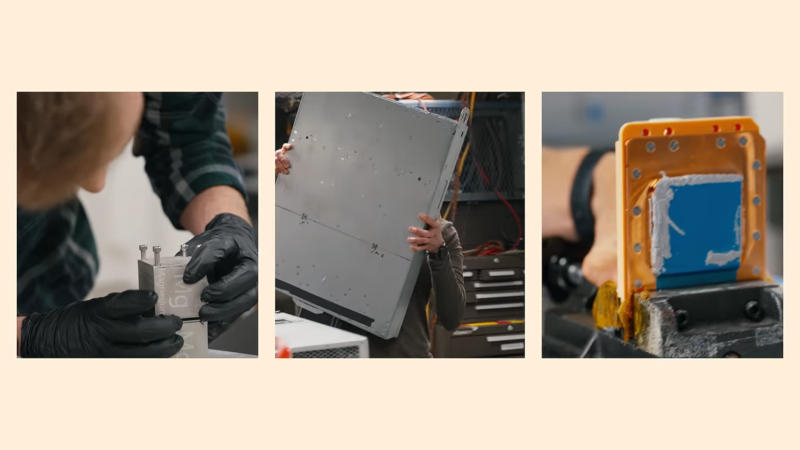
The first device to be launched is a prototype designed to confirm the performance of the artificial intelligence accelerator in space conditions. It was launched into orbit on a SpaceX rocket and commissioning will be handled by Planet; the mission is designed for a year’s work. One of the main problems is heat dissipation – using air or water to dissipate heat is impossible in space conditions. Google describes some of the methods being developed, including ducting and radiator systems. The radiator is quite heavy, which creates an inconvenience because launching massive objects into orbit is more expensive, so alternative solutions are being developed. Maintenance issues are also unclear – replacing a faulty accelerator on track is not easy.
Environmental concerns remain. The space data centers will run on solar energy, but the rockets that launch them into orbit use carbon-based fuel; over time, these devices will return to the Earth’s atmosphere, causing additional pollution. Elon Musk sees space as the only way to meet the demand for artificial intelligence, but questions remain about the economic feasibility of the project: launches are expensive, maintenance is difficult, and laser communications that travel hundreds of kilometers through the atmosphere may not be that fast. Finally, achieving the computing power of a single ground data center will require a large number of satellites. Google agrees that the solution is unlikely to become cheaper in the next five years – orbiting and ground-based data centers will coexist for some time. The project promises to be long and difficult.
If you find an error, select it with your mouse and press CTRL+ENTER.