
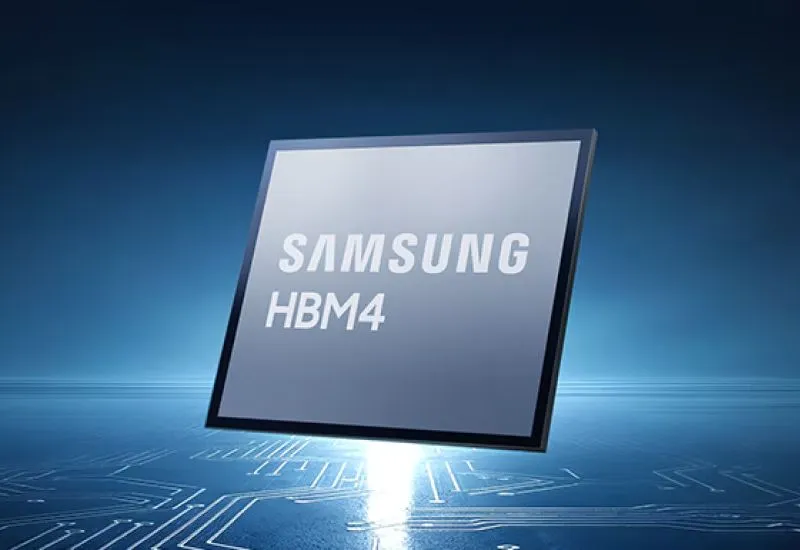
HBM type memory is in high demand in the AI field as it is used by specialized accelerators. According to TrendForce expert forecasts, the average selling price of such microcircuits next year will increase by 121% compared with this year.
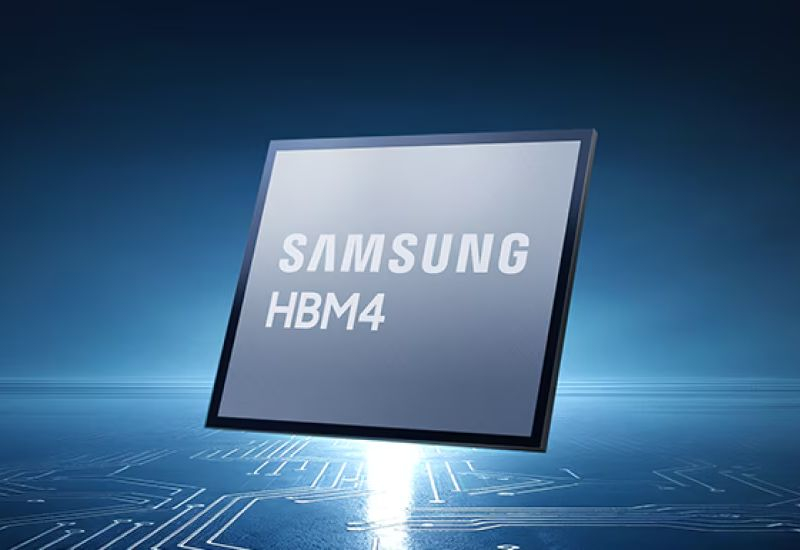
Image source: Samsung Electronics
how explained Experts say this dynamic will be determined by several factors. First, the overall HBM market is still in short supply. Secondly, the share of the more expensive HBM4 will increase, which will increase the average price level. Finally, starting from the second half of next year, the construction of the most modern HBM4E will begin, which will also contribute to the increase in average prices.
Price increases will also be evident in certain segments. If a 12-layer 36 GB HBM4 wafer costs about $600 this year, next year its price will double to $1,300. The transition from HBM3E to HBM4 will improve the profitability of memory supply, although the situation will be different given the differences in contract terms between buyers and manufacturers.
Micron Technology recently announced that almost all HBM supply quotas for next year have been allocated, and prices will be significantly higher than this year. The company’s management said this will improve the profitability of HBM production, which has begun to lag behind traditional DDR amid strong demand for DRAM. The HBM market is divided between three companies: Micron Technology, SK Hynix and Samsung Electronics. Since the first one has sold out all its quota for next year, the other two market players have the opportunity to manipulate prices in a more profitable way during the negotiation stage with customers.
As Counterpoint Research points out, Samsung has an opportunity to increase its market share following its HBM4 expansion. In the second quarter, its value grew from 21% to 33%. At the same time, SK Hynix dropped from 58% to 50%, and Micron dropped from 21% to 18%. By narrowing the gap with SK Hynix, Samsung is challenging the leader in the field. The latter started offering HBM4 to customers this year and is also providing them with samples of 12-layer HBM4E wafers.
Increasing production of the more expensive HBM4 and HBM4E memories could allow Samsung to increase its core revenue. The main thing is that customers successfully certify these products and the quality of their production is steadily improving. SK hynix has been delivering HBM4 in large quantities since the second quarter; by July, the quality level in this segment had reached HBM3E. Negotiations are currently underway with customers to supply various types of HBM next year.
Since stacks currently use 12 to 16 crystals, silicon wafers are in high demand, making it difficult to increase HBM production at a high rate. Samsung representatives said that if HBM production accounts for 20% of total global DRAM production capacity this year, the share will increase to nearly 30% next year.
The market leaders SK Hynix and Samsung must balance the needs of HBM and server DDR with limited opportunities to rapidly expand production capacity. Additionally, newer memories are more complex and expensive to manufacture, so the economic impact of HBM4 expansion on supplier businesses is less certain.
If you find an error, select it with your mouse and press CTRL+ENTER.