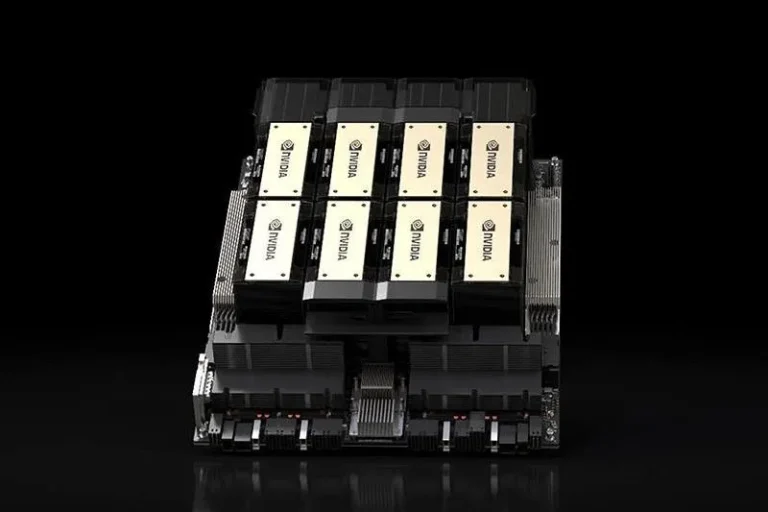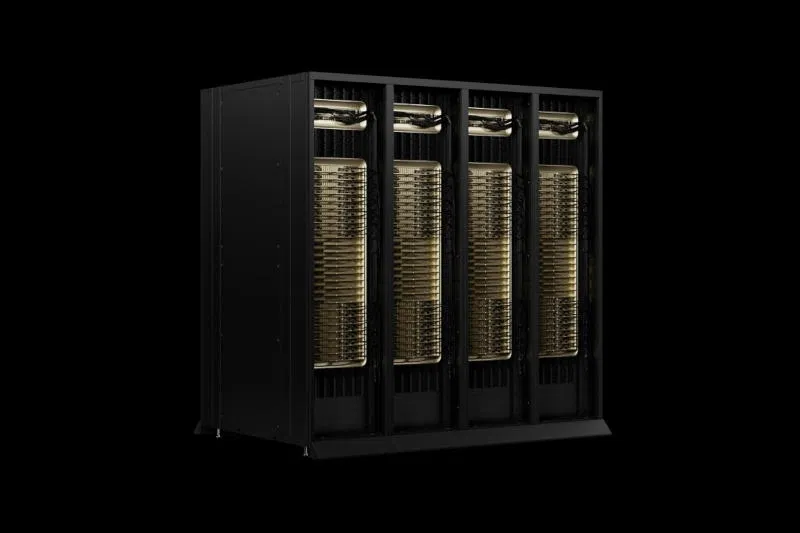
Nvidia suddenly found itself under scrutiny from the public and authorities due to the admission of the company’s CEO Jensen Huang to an extramarital intimate affair; the incident raised concerns about US national security. This raised questions about the possible impact of the incident on the company’s business and its supply chain – it could reduce the volume of orders from TSMC.
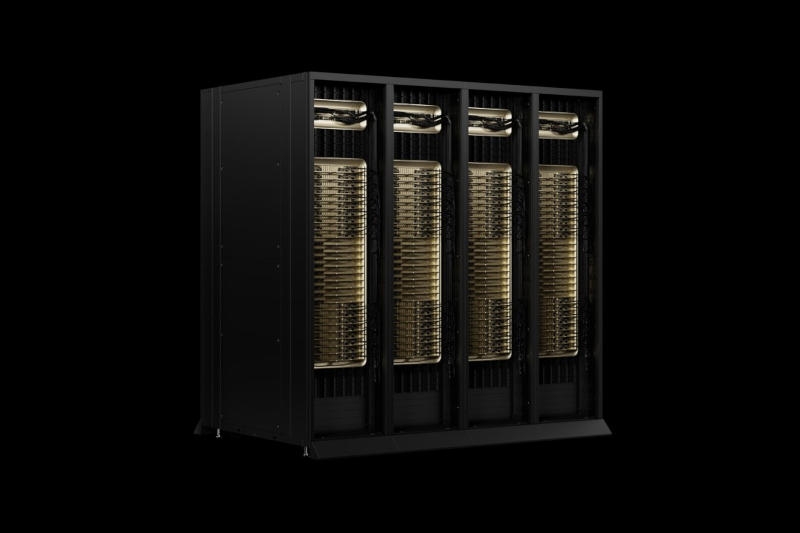
Image source: nvidia.com
Nvidia may reduce the volume of orders for chips, which will affect suppliers such as TSMC and ASE, representatives of companies in the supply chain admit. If this happens, the released capacity at TSMC enterprises may go to AMD, as well as ASIC developers: Broadcom, MediaTek, Alchip and GUC.
Some ASIC vendors are already expanding into AI accelerators. MediaTek, in particular, plans to receive $16 billion from its first AI accelerator in 2027 and has already attracted a second customer. Alchip has received an order for ASIC development from another large American client and expects revenue growth in 2027-2028. Existing production plans allow these companies to meet the additional demand that arises as cloud providers diversify their chip procurement.
AMD may also occupy a more advantageous position – demand for its products for data centers still exceeds supply. Major cloud providers are expanding the use of EPYC processors, and demand for AI accelerators and rack-mount solutions is growing, said CEO Lisa Su. Mass deliveries of AMD Instinct MI455X accelerators have begun, and some customers have begun deploying the first Helios systems.
A possible reduction in orders from Nvidia has caused concern in Taiwan’s AI server supply chain. Some orders for AI servers from Asian clients are now being re-reviewed – this applies to both orders already approved by Nvidia and those for which documentation is still under review. But at the moment, order volumes and production capacity remain unchanged. Taiwanese suppliers of cases, racks and cooling systems for Nvidia servers have not yet encountered any disruptions in orders or supplies.
Everything points to the continuation of the general growth trend in the field of AI: against the backdrop of intensifying global competition, US investments in AI infrastructure will continue, according to executives of Taiwanese companies. This means long-term demand despite possible short-term disruptions. Nvidia’s long-standing relationships with Taiwanese suppliers will be extremely difficult to replicate, so a sudden change of partners is unlikely in the near future.
About 600,000 Nvidia H200 AI accelerators are currently stuck in Hong Kong, waiting for Beijing to allow their import. But this model accounts for only a small part of the supply from Taiwanese server assemblers – they are mainly engaged in projects for customers outside China. The impact of the H200 incident on Taiwanese contract manufacturers remains limited for now – they are currently working with the B300, GB300 and the Vera Rubin platform.
If you notice an error, select it with the mouse and press CTRL+ENTER.