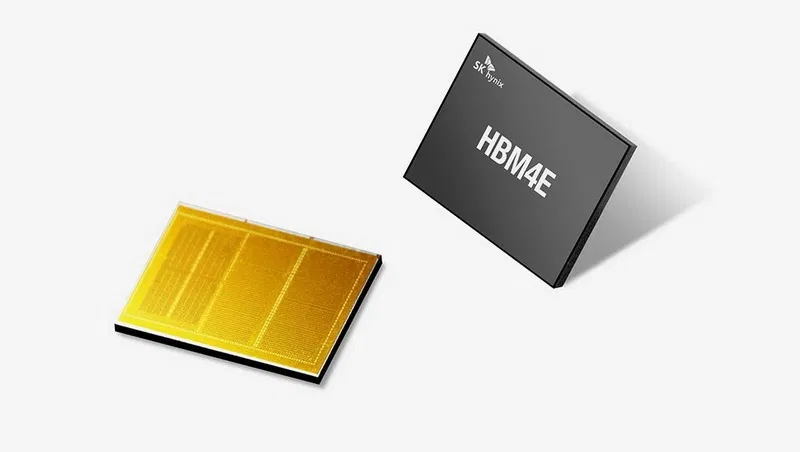
SK hynix plans to begin mass production of next-generation 3D DRAM by 2031. This was announced by Choi Kang-sik, lead engineer at SK hynix, during the AI Semiconductor Forum held at Seoul National University.
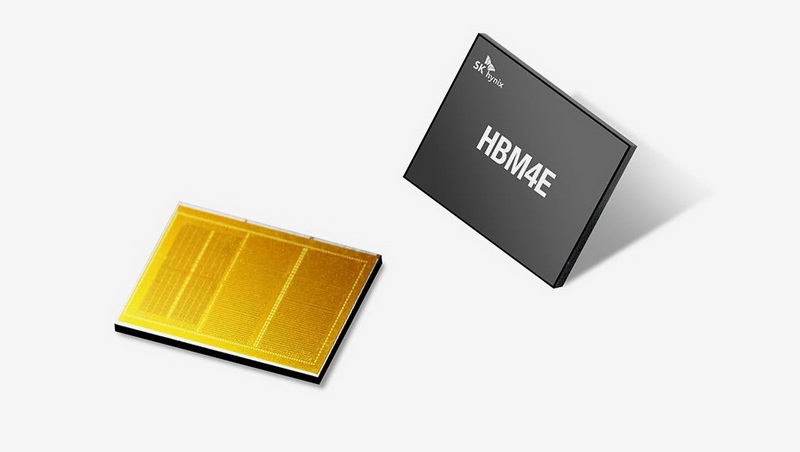
Image source: SK hynix
According to the presented roadmap, the launch of 3D DRAM production could take place in 4–5 years, that is, no later than 2031. SK hynix estimates that to achieve a memory density comparable to today’s cutting-edge Class 1c DRAM (10nm technology node) would require about 75 layers. The company intends to develop a 100-layer architecture as a first-generation product to provide a significant advantage over the planar DRAM it has been producing for many years.
Available hardware is reportedly capable of creating 100-layer 3D DRAM structures. However, moving to 200-300 layers will require multi-tier packaging and specialized hybrid bonding techniques – technologies borrowed from the production of 3D NAND flash memory.
It is expected that SK hynix will take advantage of the developments of the Chinese company YMTC by licensing its Xtacking technology. Xtacking’s hybrid bonding method creates a strong bond between two silicon chips using built-in metal pads that are fused together to form a single chip. In this way, you can connect individual crystals or entire silicon wafers, placing them on top of each other with their back sides.
Both SK hynix and Samsung see this approach as a promising way to improve 3D NAND manufacturing. Since SK hynix plans to adapt this technology, originally created for 3D NAND, to the needs of 3D DRAM, we can expect its practical application to become a reality in the coming years.
Currently, SK hynix already produces a type of 3D memory – HBM (high-bandwidth memory), but at its core it is only a multi-layer arrangement of conventional DRAM chips. To create a full-fledged 3D DRAM, the company will need to change the basic architecture and completely revise the manufacturing process. This transition will likely occur after the introduction of YMTC’s Xtacking technology into mass production.
If you notice an error, select it with the mouse and press CTRL+ENTER.