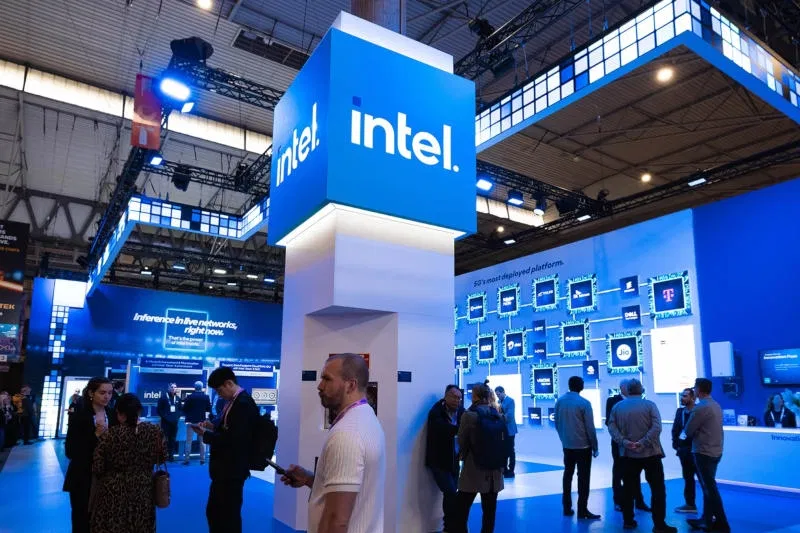
The administration of US President Donald Trump got Intel to transfer 10% of the company, threatening consequences if it refused, according to internal documents from the manufacturer disclosed during a trial with one of the shareholders. The White House used government subsidies promised by Intel as a means of pressure, and the company’s management considered the conditions unfavorable.
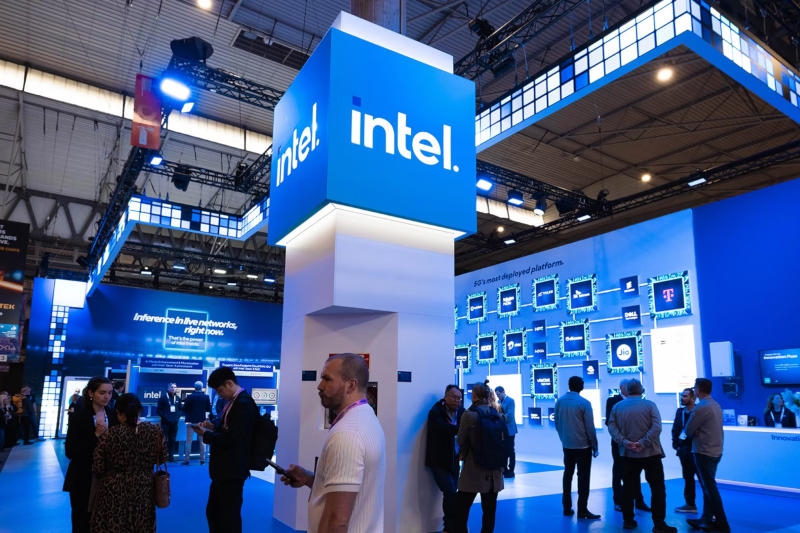
Image source: intel.com
In August 2025, US Department of Commerce lawyer David Shapiro called Intel’s chief financial officer and warned that what was happening was not a negotiation and the president expected to announce a deal in the coming days. Formally, Intel’s board of directors can reject the proposal, the official warned, but the refusal will entail consequences that he cannot predict. A few days later, Intel agreed, and Trump announced on his social network that the United States now owns 10% of the manufacturer’s shares. The government didn’t pay a penny for them; the package is worth $11 billion, and it’s a good deal for America.
Trump recently admitted that he convinced Nvidia’s board of directors to reinstate CEO Jensen Huang. This statement surprised the market, but the interference of the head of state in the decisions of large chip manufacturers already had a precedent. In both cases, executives were suspected of having excessive ties to China, and the White House used its influence to gain stakes in the companies or a portion of their profits.
When Joe Biden was President of the United States, Intel was entitled to government subsidies and contracts worth up to $11 billion – a significant portion of the funds were provided under the “Chip Act,” designed to promote the development of semiconductor production and research in the United States. By March 2025, Intel managed to receive $2.2 billion, but Trump, who came to power, called the law “terrible, terrible,” and the remaining funding was suspended, tying it to the fulfillment of certain conditions – the White House announced a revision of previous agreements.
That same month, Lip-Bu Tan took over as Intel’s CEO and soon came to the attention of the president for his investments in Chinese technology companies. He invested in several hundred of these businesses, some of them linked to the Chinese military. Before that, Tan headed Cadence Design Systems, which admitted guilt in violating American sanctions: the company transferred chip development to a sanctioned Chinese military university, for which it agreed to pay a fine of $140 million. Tan himself was not accused of anything, but the violations took place while he was the head of Cadence.
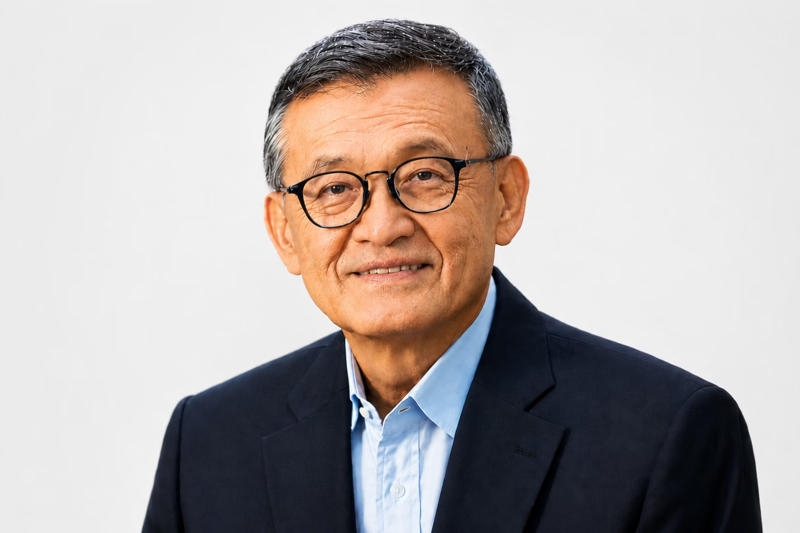
Upon learning of this, Trump wrote that the Intel CEO was in a conflict of interest and should resign. This did not happen, and on August 11, Tan arrived at the White House for a meeting with Trump, Commerce Secretary Howard Lutnick and Treasury Secretary Scott Bessent. The Intel CEO explained that his experience with China could be useful to Intel and that he could not know about all the deals of the numerous companies in which he invested. Tan promised to get rid of Chinese assets and transfer the proceeds to a blind trust.
The White House meeting was intended to address suspicions about Tan, his former work at Cadence and his investments in China. Intel’s position at that moment was difficult: revenues were declining and the company needed money. Neither Trump nor Tan announced the transfer of Intel’s share to the state at that time, but the president later said that the idea was born right then: he proposed giving the United States 10% of the company, and Tan replied that he was ready to consider this option.
David Shapiro made a formal verbal offer to Intel on August 18th. In exchange for the free transfer of approximately a tenth of the company’s shares, the presidential administration promised to release the $8.9 billion already allocated for the company. That is, Washington demanded a share in the business in exchange for fulfilling its own previous financing obligation. There will be no bargaining, Shapiro warned; Intel’s board of directors admitted that the proposed conditions were unfavorable for the company, but the deal still went through.
On the day of the meeting with Tan, Trump said that his administration was negotiating with Huang: he was seeking permission to sell H20 artificial intelligence accelerators to China – the authorities agreed in exchange for 15% of the proceeds. By the end of the year, permission was given for the supply of H200, but royalties increased to 25%. The story with Intel and Nvidia shows that access to government funds and permits under the current US presidential administration can be accompanied by demands to transfer shares or part of the proceeds to the state – the authorities present such arrangements as beneficial for the United States. But there is also an opinion that political pressure threatens business independence and decisions on which the development of the industry, and sometimes the technological advantage of the United States, depend.
If you notice an error, select it with the mouse and press CTRL+ENTER.