


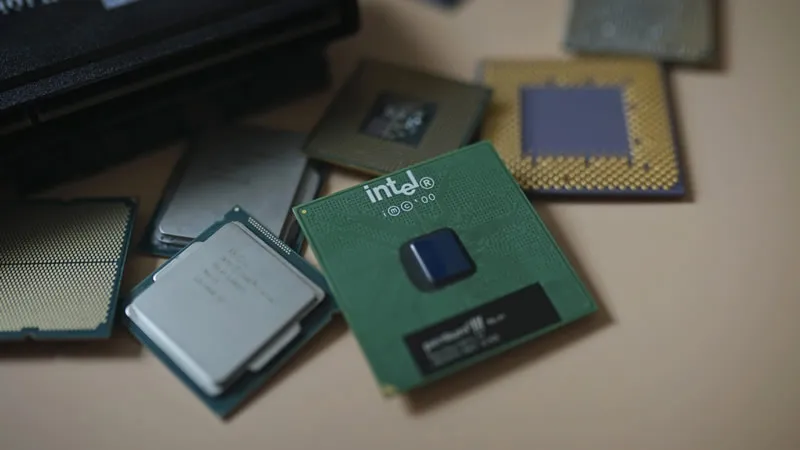
Intel has revealed plans to release its upcoming Nova Lake microarchitecture, which, contrary to industry trends, will first appear in the desktop market, not the server field. As such, the company intends to distance itself from AMD’s strategy of shifting priorities toward data centers and regain customer confidence after the controversial launch of the previous generation of processors.
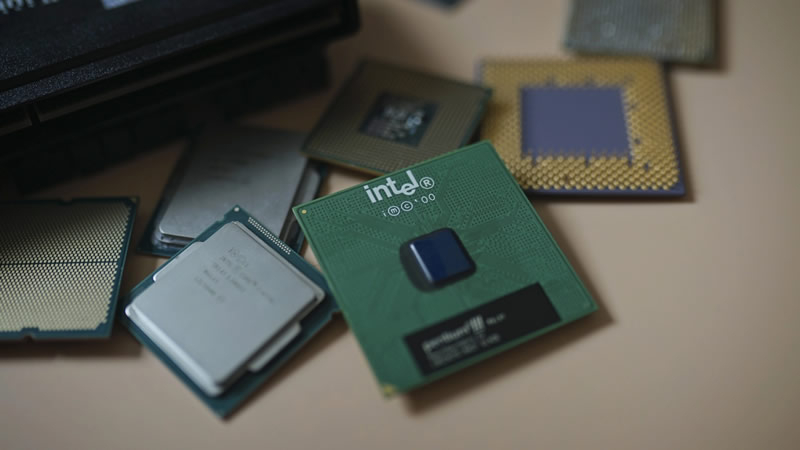
Image Credit: Tom’s Hardware
AMD has focused on a unified architecture that allows its components to scale easily between the consumer and enterprise segments, while Intel has taken a less unified approach. Meanwhile, as noted, AMD Tom’s HardcoreRecently, the company broke with its tradition of releasing products in the consumer market first, launching its Zen 6-based EPYC Venice server processor ahead of its desktop processors.
Intel’s Golden Cove and Redwood Cove microarchitectures also first appeared for servers and mobile platforms respectively, and then their modified versions appeared on desktop computers. However, with the launch of Nova Lake, whose new core is rumored to be called Coyote Cove, the company intends to take the opposite route in order to strengthen its position among desktop buyers: first, the architecture will debut in desktop processors, and later its adaptation will appear in the Xeon series.
The change in priorities is a direct response to the shift in industry focus to artificial intelligence agents, which has forced AMD and Nvidia to accelerate the release of server systems at the expense of consumer innovation. Despite the sharp increase in demand for data center equipment, Intel management stressed that the launch schedule for desktop processors remains unchanged or even accelerated as the company lays out a comprehensive product roadmap for gamers in the coming years.
Intel VP Robert Hallock acknowledged that the Arrow Lake series has tended to underperform its predecessors in gaming, was controversial and that the community was legitimately skeptical of the brand’s claims after launch. In an effort to reverse this negative narrative, the company has released an updated Arrow Lake Refresh series, which was co-developed by a different team of experts, the same engineers who were given a mature organizational structure and separate budgets and are now responsible for creating the Nova Lake platform.
Hallock explained that the team previously responsible for the desktop business was forced to share resources with other business units, which inevitably affected the quality of the final product and its speed to market. Creating an autonomous structure with its own managers and marketing staff could introduce a new development philosophy in which the interests of desktop system consumers become a priority in the company’s overall plan, rather than a secondary task.
This approach is heavily influenced by the personal experience of Hallock, who spent 12 years at AMD and helped launch the first Ryzen processors and 3D V-Cache technology before joining Intel in 2023. Although the VP is not directly involved in processor design, his expertise in technical marketing and knowledge of audience preferences help shape future new product communications and positioning to resonate with demanding audiences.
If you find an error, select it with your mouse and press CTRL+ENTER.