

The GPT-6 Astra model helped decipher a 217-year-old letter to French Marshal and Napoleon aide Auguste de Marmont. This work was performed by scanning historical documents, resulting in keys, transcriptions and decoder scripts published by the authors.
Literature research conducted by American artificial intelligence developers Carter Church Carter Church from SentinelOne provides military information on the positions of French and Austrian troops in 1809 on the eve of the Austrian invasion. The cracked document also fills a gap in Napoleon’s 1865 memoirs, in which a phrase was cut off mid-sentence. GPT-6 Astra took about six hours to complete most of the work, but Church noted that the password wasn’t that difficult.
The encrypted message consists of 24 lines of characters. his image In 1969, the document appeared in an article in the French Military History magazine, authored by J. Vilcoq, but the text of the document was not converted to digital format at that time and was eventually included in the catalog of historical ciphers in unsolved form.
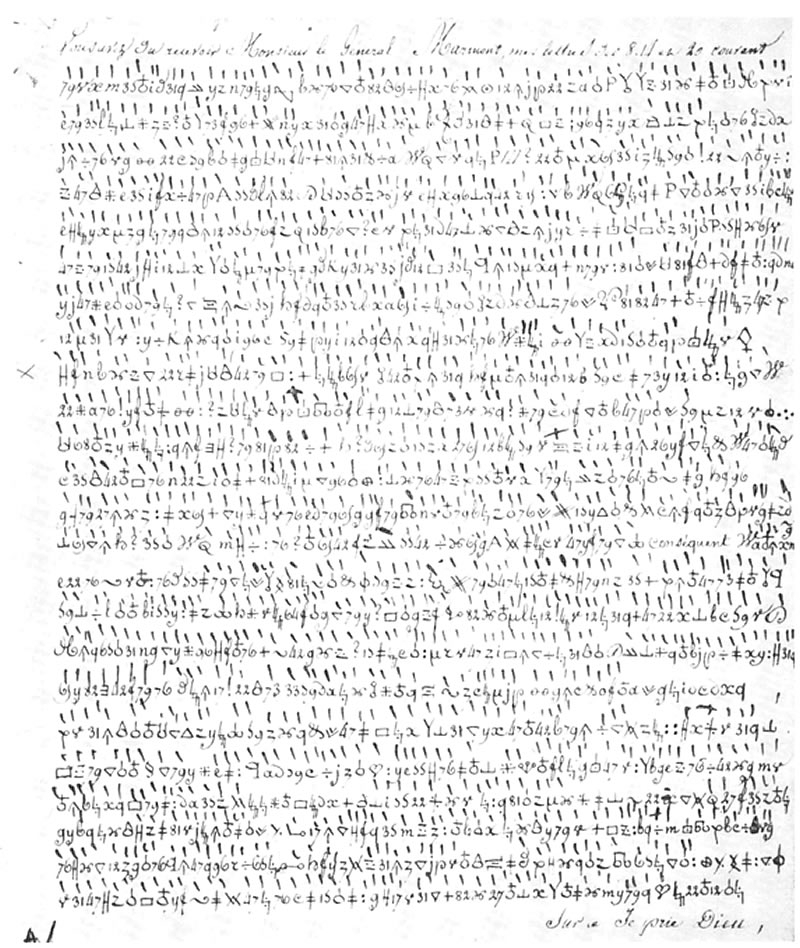
Church used a direct scan of a page from Wilcock’s work, and GPT-6 Astra recognized the image and matched variations of the handwritten characters. For decoding, the model incorporates historian Daniel Tant’s partial key, which decodes some characters and uses a simulated annealing algorithm to assign values to the remaining 155 unique characters.
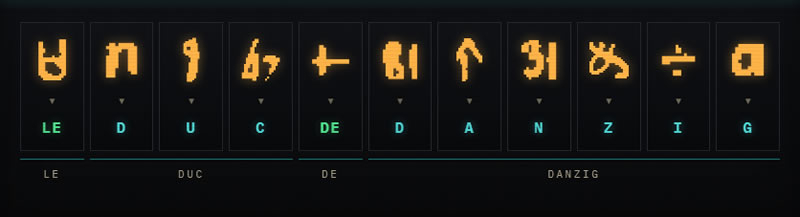
Satoshi Tomokiyo, administrator of leading historical resource Cryptiana, confirmed the authenticity of the suggested version, updating the cipher’s status to “solved” and correcting the date to 1809.
The author of the study himself emphasizes that although the password is not an insurmountable complexity for experts, its value lies precisely in the automation of the entire process. Church also noted that not all characters for the file have been finalized, and at least five more characters are available.
If you find an error, select it with your mouse and press CTRL+ENTER.