

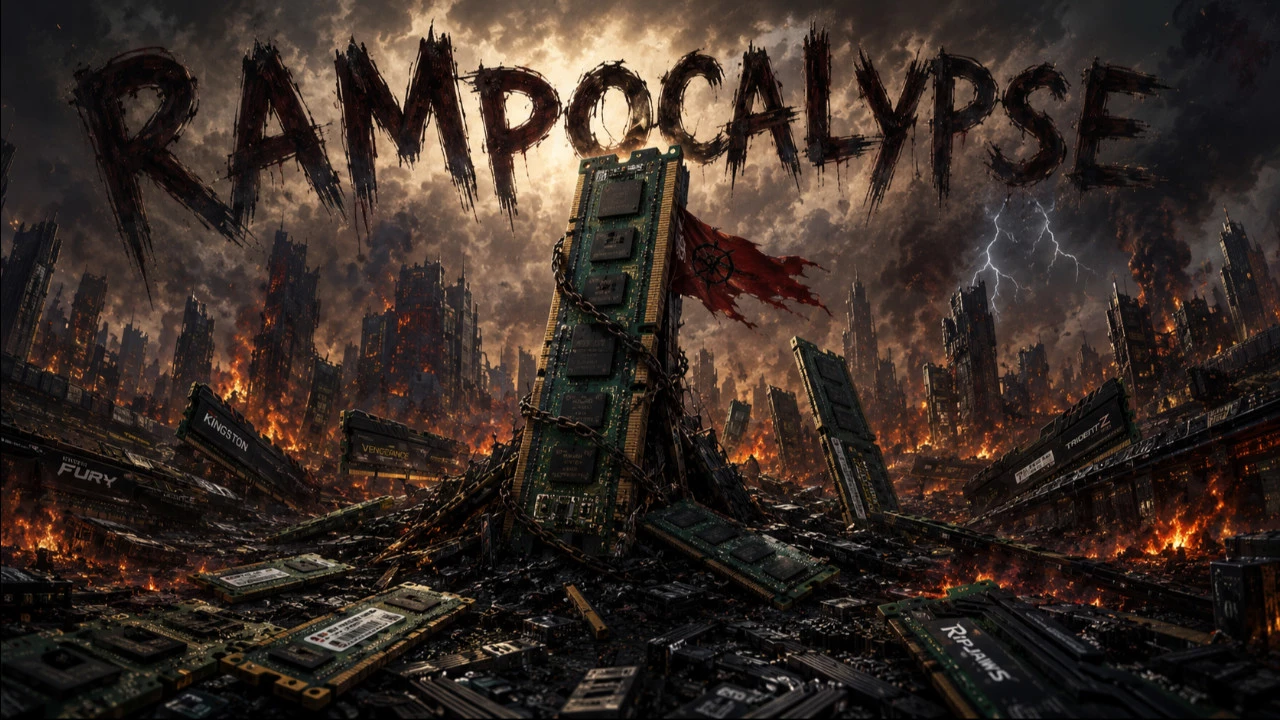

Analysts from the largest market and professional publications point to an unprecedented increase in the cost of RAM modules, making purchasing the hardware a financial ordeal. The crisis has gripped the global market due to a massive shortage of DRAM chips due to the rapid development of artificial intelligence infrastructure.
Hyundai parts price tags have increased by almost 500% in the past 12 months. If buyers paid less than $200 for a standard 64 GB DDR5 kit last summer, a similar kit now costs more than $1,100. The situation in Europe does not look much better: German experts recorded an average price increase of 345%, and prices for SSDs and HDDs have also more than tripled.
Trying to save money by switching to previous generations of platforms won’t bring results either. The mass migration of users to older DDR4 memory has led to shortages in this area, resulting in price increases of 120-180% for popular components.
Corporate giants have bought out almost all the world’s production capacity in 2027, leaving only the remaining capacity for general consumers and electronic product manufacturers. Against this backdrop of competition, the revenue of the largest memory suppliers has grown exponentially, and the weight cost of silicon components has become very close to that of precious metals.