


Many investors are eagerly awaiting Xiaomi’s quarterly report as it should reveal the memory shortage faced by the entry-level and mid-range smartphone maker. This expectation makes sense, as the Chinese company reported a 43% year-over-year drop in second-quarter profits to $922.6 million.
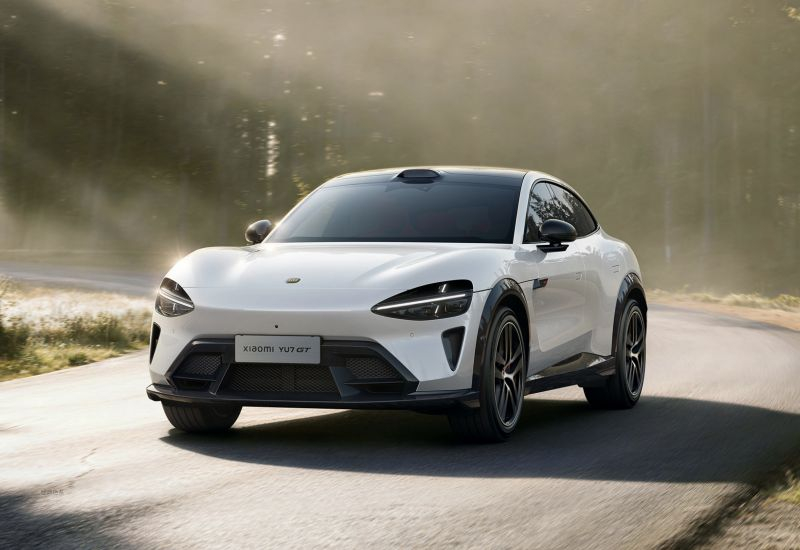
Image source: Xiaomi
Excerpts from Xiaomi quarterly report provided by sources Nikkei Asian Review. The company’s revenue also declined during the period, but only by 6.1% to US$16.2 billion, in line with market expectations. In the field of smartphones, Xiaomi faced the decline of an important indicator – the full-year profit margin dropped from 11.5% to 8.5%. It’s easy to guess that the cause is a shortage of memory chips and the consequent rise in prices, since the main blow has been to the cheap electronics segment. Since the beginning of this year, Xiaomi smartphones have been forced to raise prices three times; this month alone, the price of some models has increased by $75.
Jefferies analysts expect pressure on the smartphone market to intensify in the coming quarters. According to Counterpoint Research, Xiaomi’s smartphone shipments fell by 11% in the second quarter, reaching the lowest level since 2013. Xiaomi is not the only Chinese company suffering from a crisis in the memory market: Rivals Vivo and Oppo also saw double-digit percentage declines in smartphone shipments in the second quarter.
Like many market players, Xiaomi is trying to improve the situation by focusing on the high-end market. The average selling price of the brand’s smartphones immediately surged 25.9% in the second quarter to a record $200, although it was still more than three times lower than Apple’s figure.
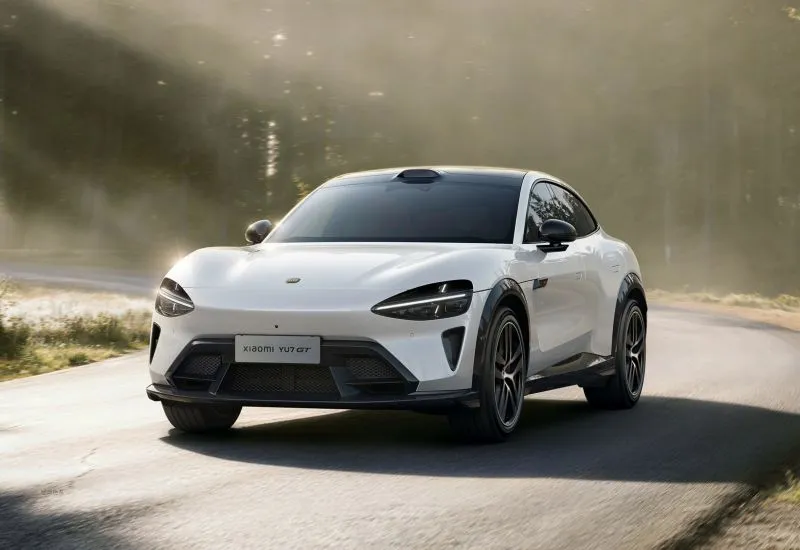
Xiaomi also faces increasing competition in the electric vehicle market, and it is unable to boast as broad a product range and update frequency as many of its rivals. Xiaomi’s revenue in the automotive market increased by 16% to US$3.5 billion in the second quarter, but combined with other business areas, electric vehicles bring It lost $386 million, nearly nine times what it lost last year, although it was less than what it lost in the first quarter of this year. Margins for the segment fell from 26.4% to 19.2% this year, although that’s still a good indicator for the industry. Regardless, Xiaomi’s electric vehicle shipments rose 28.2% in the second quarter to 104,199 units, although the SU7 Ultra sports car’s share of the supply structure declined. This resulted in the average sales price of electric vehicles falling 9.6% to $34,000. It is worth noting that China’s passenger car sales overall fell by 22% in the second quarter. Against this background, Xiaomi’s statistics appear more optimistic.
It is worth reminding that by the end of this year, Xiaomi is expected to produce and sell 550,000 cars. Recently, they added a full-size SUV to their lineup, the Sky Nomad, which comes with a hybrid powertrain. In the first seven months of this year, Xiaomi’s electric vehicle sales were only 216,300 units, completing only 40% of the annual plan. Analysts at Deutsche Bank generally believe the company will be unable to ship more than 490,000 vehicles to customers by the end of the year. To meet its annual delivery target, Xiaomi needs to deliver an average of at least 66,700 electric vehicles per month in the remaining months of this year. As of mid-August, the 500,000th Xiaomi SU7 series electric vehicle has been sold, which is the first model. In China’s domestic market, this electric sedan remained the most popular among electric cars of this body type priced above US$30,000 in the first half of the year.
If you find an error, select it with your mouse and press CTRL+ENTER.