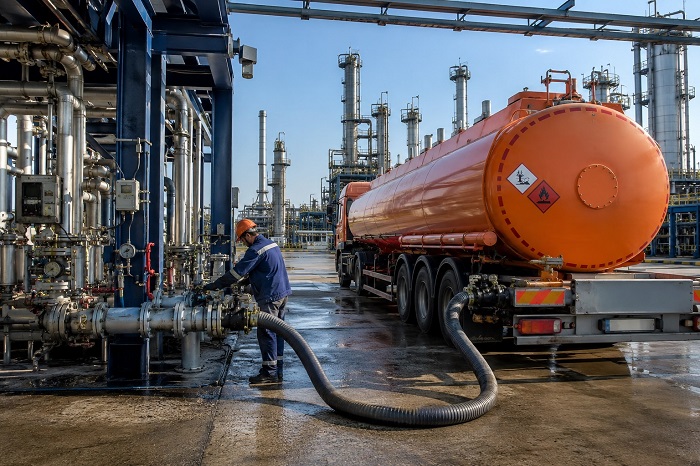
The unique nature of refinery work is such that any crazy emergency (which is no longer uncommon these days) can shut down the plant for weeks or even months. As a result, the unstable balance between fuel production and consumption, especially gasoline, was broken and supply problems arose in the domestic market.
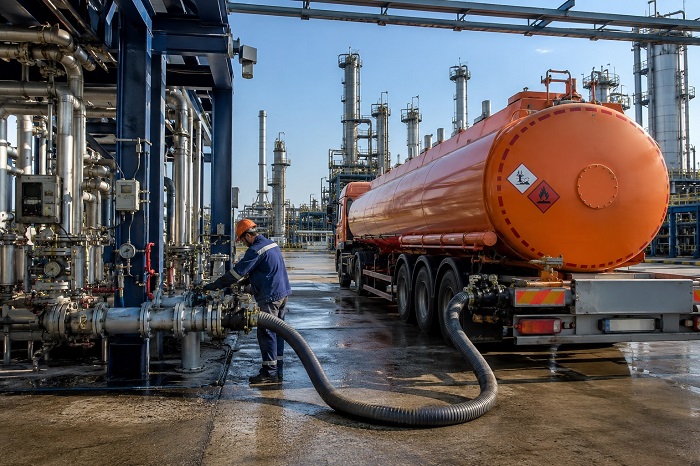
Image source: ChatGPT.
At present, Russia’s gasoline supply difficulties are still continuing, and the second round has begun in some places, so this topic is still acute. Journalists, for their part, seek answers to pressing questions from government officials wherever possible. Therefore, VGTRK reporter Pavel Zarubin ask Deputy Prime Minister Alexander Novak, who oversees the domestic fuel and energy complex, asked whether the fuel crisis was moving from a severe to a long-term phase.
Novak said the Russian government was monitoring the situation and currently expected that “repairs at some refineries will be completed” after which “the situation will improve significantly.” Of course, they didn’t specify which specific plants Nowak wanted.
In addition, the Deputy Prime Minister recalled that in order to secure the Russian domestic fuel market, the production and sale of fuels with lower environmental ratings are temporarily allowed. Gasoline is also purchased abroad, and gasoline exports are temporarily banned. The situation with diesel is stable and there is no shortage, due to two factors: first, Russian refineries have historically produced far more diesel than gasoline for motor use; second, diesel engines are consumed in much smaller quantities due to their relatively low penetration in the passenger car segment.