

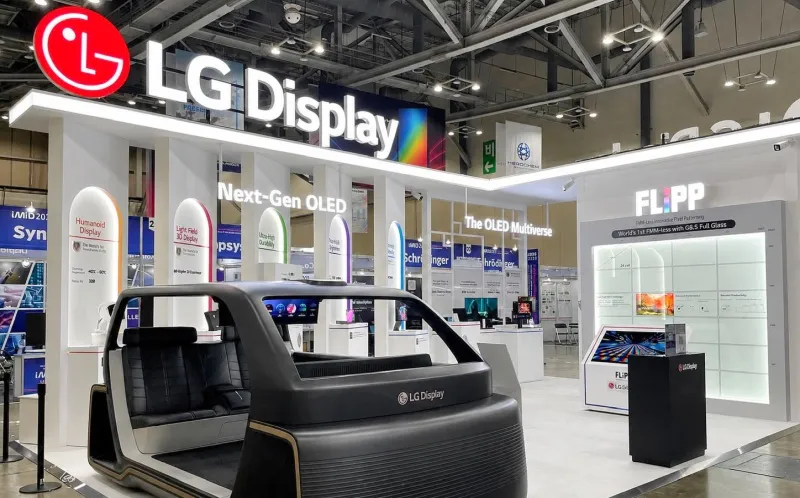
LG Display today announced the successful development of an advanced OLED display manufacturing method that does not require the traditional use of thin metal masks (FMM). The new approach could provide greater flexibility in mass production and could also enable brighter panels, longer lifespan and lower power consumption.
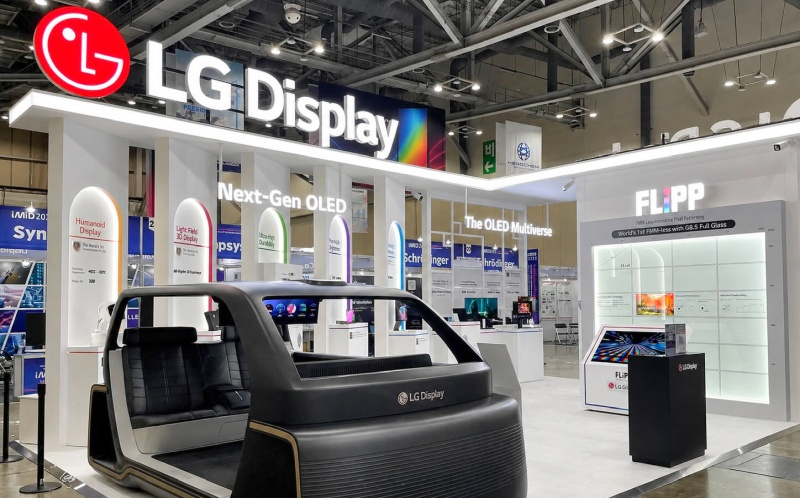
Image source: techpowerup.com
LG Display today launched its new OLED panel technology FLiPP (FMM-Less Innovative Pixel Pattern) at the 2026 International Information Display Conference (IMID) in Busan.
According to the company, compared with panels produced using FMM under the same conditions, FLiPP can increase display brightness by 1.6 times, extend service life by 2.4 times, and reduce power consumption by 13%. This is because FLiPP increases the aperture ratio (the proportion of RGB pixels occupying the total display area) by approximately 55%.
FLiPP solves the shortcomings of the metal wafers used in the FMM process, which has been the dominant production method for OLED displays for more than a decade. Due to the limited size of FMM rods, the FMM process requires the separation and processing of large glass substrates.
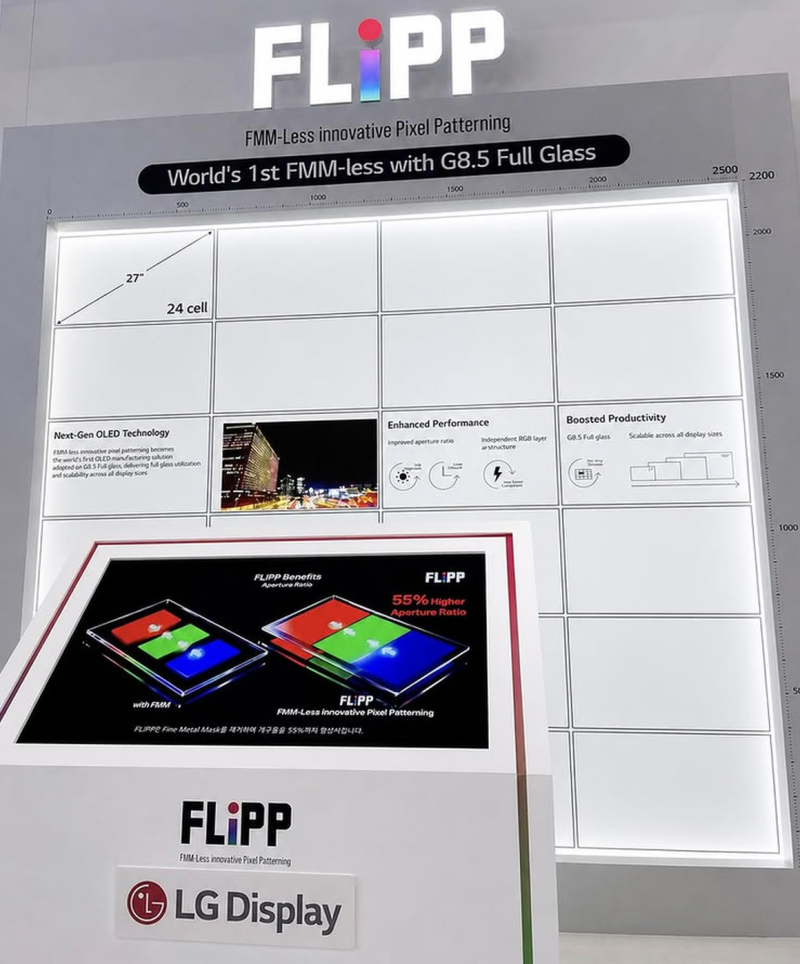
For FMMs, manufacturing costs are higher because new, expensive FMMs must be manufactured when changing panel size or resolution. Additionally, due to the inherent properties of metal, large masks tend to sag in the center under their own weight, causing misalignment and sometimes color mixing defects.
After a year of dedicated research and development, LG Display developed FLiPP as a new paradigm in OLED display manufacturing. Unlike the FMM method, which is comparable to screen printing technology, the FLiPP method uses photolithography (precise etching with UV light) to remove unnecessary areas of the OLED pixel formation process.
One of the main advantages of FLiPP is that there are no limitations on panel size and resolution. In theory, it can be used to produce displays ranging in size from 1 inch to 100 inches, and can be applied not only to traditional panels, but also to augmented reality and virtual reality displays, making it a near-universal technology.
Image source: LG Display
Compared to producing laptop OLED panels of the same size using FMM or other non-FMM methods that require separation of substrates, the base glass efficiency of the FLiPP method increases by 64%. The result is reduced material consumption, increased productivity and lower production costs.
Leveraging Tandem WOLED’s existing large-scale manufacturing infrastructure and technical expertise, the FLiPP approach enables LG Display to become the first display company to produce OLED displays without using FMMs.
If you find an error, select it with your mouse and press CTRL+ENTER.