

Currently, a 30 TB TLC hard drive for the enterprise market sells for $22,600, 6.5 times higher than the $3,460 a year ago. A hard drive with the same capacity is expected to cost $1,216, which is 18.6 times cheaper. Assembling 25 petabytes of flash-based storage will cost $51.6 million, while a “budget” hybrid SSD + HDD system costs $12.86 million, but the problem is that hard drive deliveries throughout 2027 are already fully booked.
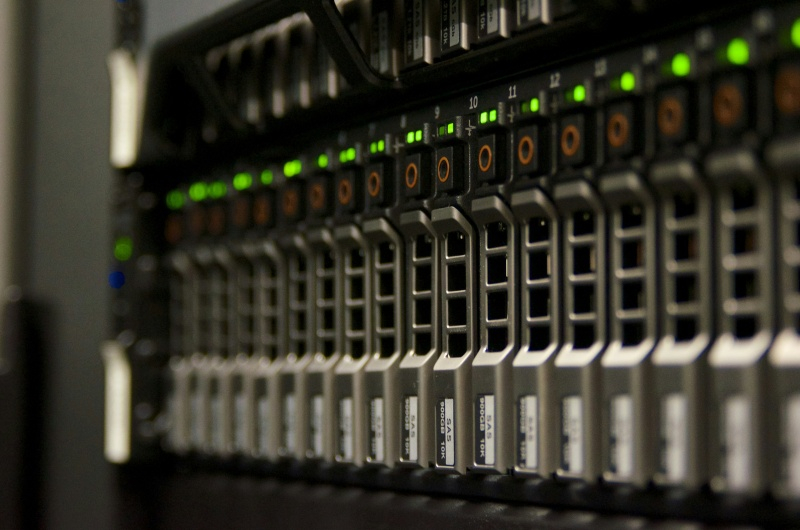
Image source: unsplash.com
According to third-quarter data from analytics company TrendForce, NAND contract prices rose by 10% to 15% from the previous quarter, after rising by 70% to 75% in the second quarter and 55% to 60% in the first quarter, while enterprise-level SSD contract prices surged nearly 80% in a single quarter.
Erik Salo, senior vice president of marketing and business operations at infrastructure company VDURA, firmly believes “Flash drive price increases are structural in nature.” VDURA launched its own storage price index in January 2026, as well as a storage economics optimization tool that models the costs of the company’s hybrid queue architecture. A typical VDURA configuration for a mixed fleet combines 5.78 PB of flash memory and 22.68 PB of hard disk, or approximately 756 30 TB units.
The overall trend in the VDURA Index is consistent with independent data showing that consumer SSD prices have increased by 220% over the past year. VDURA also found that the price of a 30 TB hard drive increased 2.5 times from $495 in the third quarter of 2025 to $1,216 currently.
Western Digital said in February that the company’s 2026 production capacity is fully booked, it has received firm orders from its seven largest customers, and it has signed agreements with three of its five largest customers for 2027 and 2028. Seagate said that almost all of the company’s production capacity has been committed through long-term contracts until 2027.
If you find an error, select it with your mouse and press CTRL+ENTER.