

NC Corporation and Dynamis One, a studio founded by the main developer of Blue Archive, are preparing to release Astrae Oratio, a mysterious role-playing game set in 1989 Tokyo. The project’s visual style and character designs reference early Heisei anime aesthetics. As part of the Comic Market 108 festival, the authors detailed the title to audiences for the first time, showcasing a range of merchandise and a 160-page art book.
More details on New Urban Mysticism concepts, visual clues, and the game’s long-term support plans, Japan Portal www.gamespark.jp We interviewed Dynamis One Art Director Kim In and we collected all the funniest stuff for you in this article.
- The development of Astrae Oratio officially begins in September 2024, but the creators will basically not estimate its readiness in percentage terms, since this is a service game and not a classic stand-alone game. The team is focusing on the weekly comic release format and is now close to completing preparations for enough content to fully launch the first “chapter” and begin regular updates.
- Although the creator was never satisfied with the results inherent in the work and always felt that it was missing some details, the art director expressed great appreciation for the studio’s current achievements. The entire development team absolutely believed in their ability to create something completely unique. They sincerely believe that they will be able to offer their audience something truly new and innovative that simply doesn’t exist in the gaming market right now.
- The game’s story takes place in Tokyo in 1989 (at the juncture of Japan’s Showa and Heisei eras), as the analog retro aesthetic is fading at this time, perfect for revealing the established themes of “magic” and “neoden” (mysterious urban fantasy). For Kanehito, the new electric genre recalls classics like Shinjuku Castlevania and is built on the stark contrast between the two worlds. Its essence is that an ordinary hero lives an ordinary daily life in the city during the day, and at night goes deep into the mysterious world hidden in the metropolis, facing dangers, understanding the unknown, and proving his true worth. This is easily reminiscent of the plots of light novels in the early 2000s.
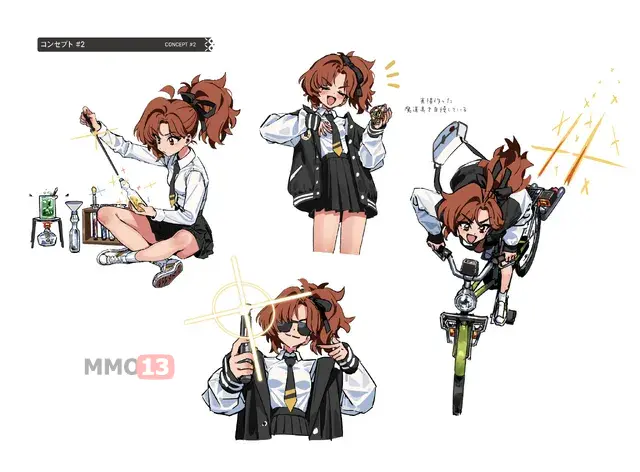
- When developing the character design, the main principle was that the character would not dress up for the player, or pose as a fake-smiling model on stage. Their appearance and clothing should be as natural as possible, as if they were real people choosing their own clothing to live in their own world. Jinren guides the team but respects the personal preferences of his colleagues. Currently, just over 40 experts are working on the visual part of the game, with about 8 of them focusing exclusively on the design of the characters themselves.

- The game’s promotional materials and key art specifically emphasize nighttime or dawn, which directly ties into the concept of the “New Electric” genre. Daytime in the game world is closely associated with calm daily life and routine. Night is the main time for fierce battles and various mysterious events, so the main events and battles of the game will take place during this period.
- The game’s design artists grew up watching Japanese anime from the late 90s and early 2000s, so they actively worked to recreate the nostalgic appeal of the characters and costumes from that era in the game. However, Jinren kept the logo of the inspired work secret and compared it with spoilers before watching the movie, allowing players to guess the source and enjoy their own associations.
- During those years, Japanese pop culture (thanks in large part to the Internet and services like Nico Nico Douga) was almost instantly consumed by young Koreans, despite historical restrictions on older generations. As a result, South Korea, Taiwan, and China have formed a whole generation of creators who have an absolutely common cultural background and grew up in the same trend. There’s also an active culture within the development team that exchanges opinions on new releases for each anime season, and they happily recommend each other to watch.

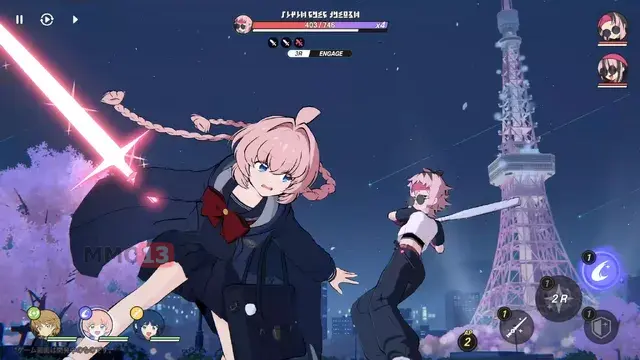
- The first nine female mages introduced in the game are divided into three starting factions, the concept of which is created to be as simple and straightforward as possible (by analogy with the starting Pokemon) to avoid problems of visual oversaturation and “power bloat” and to support the game long-term for more than 5-10 years, much like what happens in long-running comics like Dragon Ball. One group is positioned as the classic protagonist squad, while the second group is their direct and obvious rival. The third faction was created as a simpler group, away from the main conflict, to act as a “flavor refresher” to the story to balance the atmosphere.
- When converting 2D illustrations to 3D, the developers made a conscious decision not to replicate graphic art with 100% accuracy, but to add to the model the unique features and exaggerated effects inherent in 3D graphics. Inspired by famous fighting games such as “Street Fighter” and “The King of Fighters”, they deliberately deformed and emphasized the shape of the characters to make the battles look more vivid, weighty and impressive. This is especially important for Duel Court’s core gameplay mechanics, as the visual feel of combat must work perfectly in terms of action and gameplay satisfaction.
- While the initial focus is on nine girls, the game will go beyond the typical high school story and feature a wider cast of characters, including the recently revealed girls wearing Kyoto’s traditional kimonos. By choosing the metropolis of Tokyo as the background, the author hopes to convey its true essence through a group of completely different people. In the future, the game will feature a variety of characters from other regions and a wide range of age groups, creating a truly vibrant and densely populated big city feel.

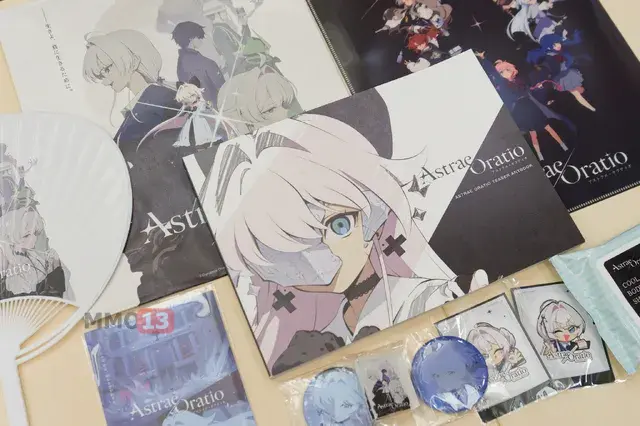
- The artbook was released in limited edition at the Comics Market Festival and was not initially intended for public sale, but rather as an internal visual guide to synchronize ideas between members of the development team. However, as the release approaches, we decided to share it with fans as a kind of “movie brochure” that reveals the basic joys of the project and contains the minimum acceptable spoilers that the entire team agreed to. The developers note that the art book is just a light “snack” and that within the game itself, users will find more in-depth stories and impressive visual solutions.
- Astrae Oratio was originally conceived not just as a video game, but as a large-scale original intellectual property that could be expanded organically into other media formats in the future (for example, in the form of full-fledged comics or animation). The team looks forward to players’ own interpretations of their work and is very enthusiastic about the creation of any secondary content. The sincere desire to support fanwork culture became one of the main reasons for developers to first participate in the comics market, which has traditionally been considered the main gathering place for such authors.
At the end of the interview, the art director asked fans to treat the game like an instant comic or anime so they can share the joy and festive atmosphere of each new update with the rest of the community. While the exact date for Astrae Oratio’s full release remains unknown, the author promises to give players a chance to try out the gameplay at the upcoming Tokyo Game Show and during the closed beta.