




The most interesting point in the comments
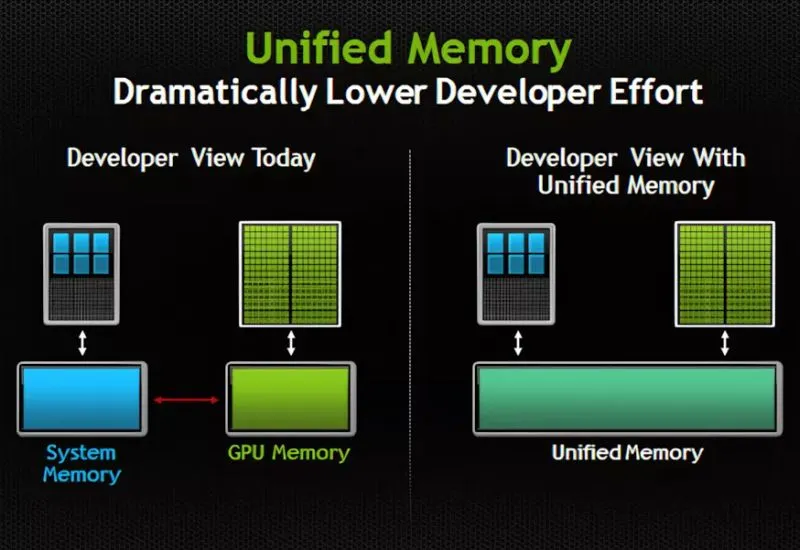
Today, few consumer CPUs don’t have their own graphics subsystem, which often competes with other tasks for memory resources, so Microsoft is experimenting with the ability to manually adjust how those resources are allocated. This is especially important for the growing popularity of agent-based artificial intelligence tasks that require large amounts of memory.
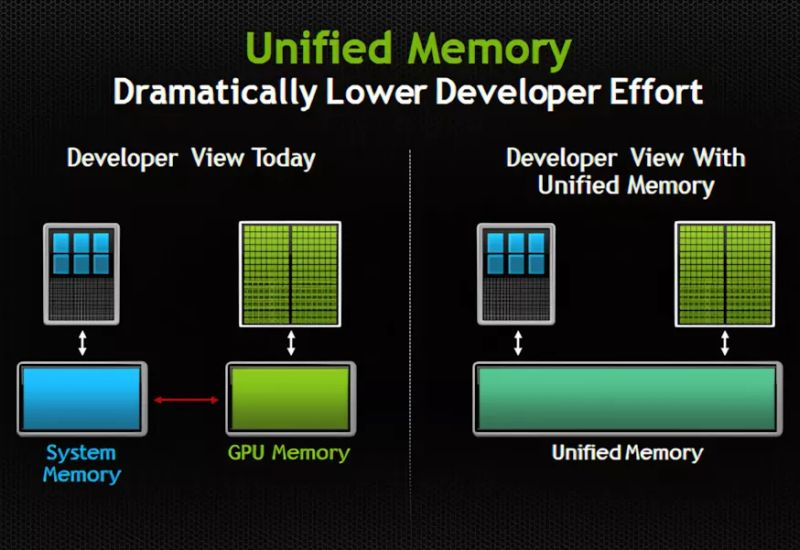
Image source: NVIDIA
So far, RAM resource allocation in this example has been performed automatically at the operating system level, but in the new experimental version of Windows 11 (29648.1000) on August 17 this year, the “IntelligentCarveout” feature appeared, but it was not mentioned publicly in the release notes. We found this function enthusiastrefers to the process of reserving memory for graphics subsystem or AI needs. Users themselves will be able to set limits on RAM usage based on relevant needs. Nvidia documents have previously mentioned the existence of such tweaks. RX Spark series systems are available with 128 GB of RAM, with resources shared between the GPU and compute cores.
Technically, the graphics subsystem in RTX Spark can access more memory than discrete solutions like the GeForce RTX 5090, which comes standard with just 32 GB of GDDR7. However, it should be understood that LPDDR5x type shared memory works slower than dedicated memory installed directly on the graphics card. But in terms of memory size, there’s no point arguing about this advantage.
Interesting?
Let Google know to receive more frequent links to our gaming and esports news
If you find an error, select it with your mouse and press CTRL+ENTER.