


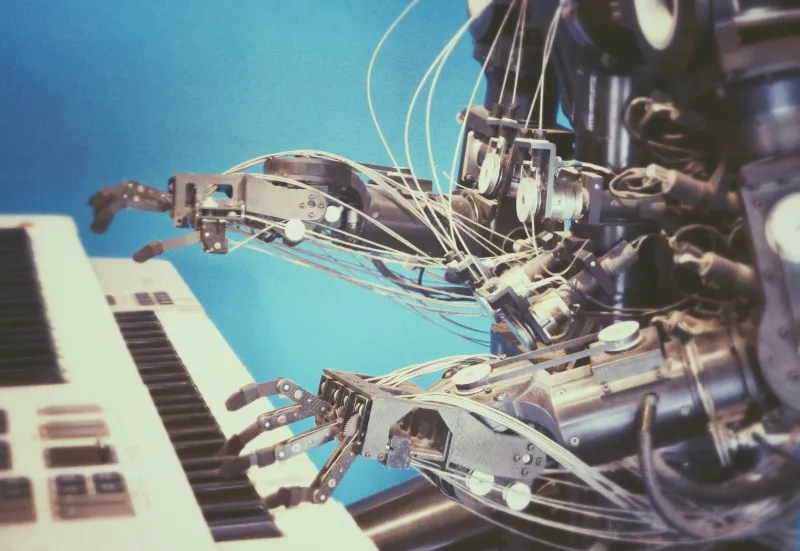
The Australian Recording Industry Association (ARIA) has updated its charting code of practice to distinguish between music generated entirely by artificial intelligence and music created by humans using artificial intelligence. Starting this week, any build using generative AI must “Largely man-made”Only then can you qualify for a place on the leaderboard.
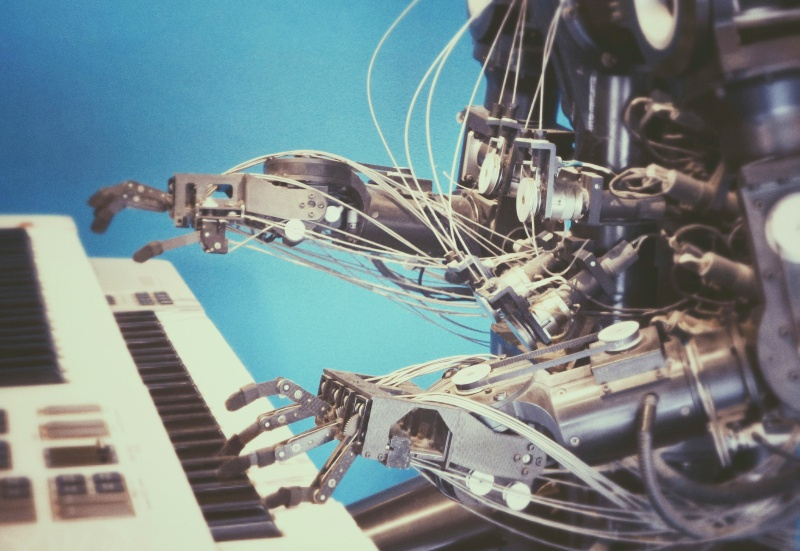
Image source: unsplash.com
The new rules do not prohibit the use of artificial intelligence in music creation. They require that the track generation service be authorized and legal, and that the completed recording must be essentially human-created. It is also important that the lead vocals are sung by a human being and the main instruments are played by a human being.
ARIA can reject substandard versions, delete them retroactively, recalculate leaderboard positions, revoke certification, and even demand the return of top prizes. Any excluded entries will also be ineligible for the ARIA Awards, although artists and their representatives may appeal and provide evidence.
“Artists already use artificial intelligence tools in their work, and charts can and should evolve to make room for this, but music generated entirely by a service based on artists’ recordings is an entirely different matter.”said Annabelle Herd, ARIA Executive Director.
Queensland DJ Josh Fawaz’s cover of Madonna’s Like a Prayer has topped Australia’s national radio charts for four weeks and has been played more than 38 million times on Spotify. The cover’s credits were later changed to show the use of artificial intelligence to create the vocals and drums. ARIA has yet to make a formal ruling on the song, but a spokesman for the organization said using artificial intelligence to create the lead vocal or key instruments could invalidate the release.
This isn’t the first time the use of artificial intelligence has caused controversy on the charts. Last year, country artist Breaking Rust, who also used artificial intelligence, ranked first on Billboard’s country digital song sales chart with “Walk My Walk.” The virtual artist has attracted more than 2 million monthly listeners on Spotify and earned the “Verified Artist” badge.

Recently, there has been an explosion in the amount of music created using artificial intelligence. In 2025, Spotify deleted 75 million tracks created by AI, while bots upload 100,000 such “works” every day. Music service Deezer reports that around 20,000 AI-generated tracks are added to the platform every day, with 70% of such music plays being fraudulent.
If you find an error, select it with your mouse and press CTRL+ENTER.