


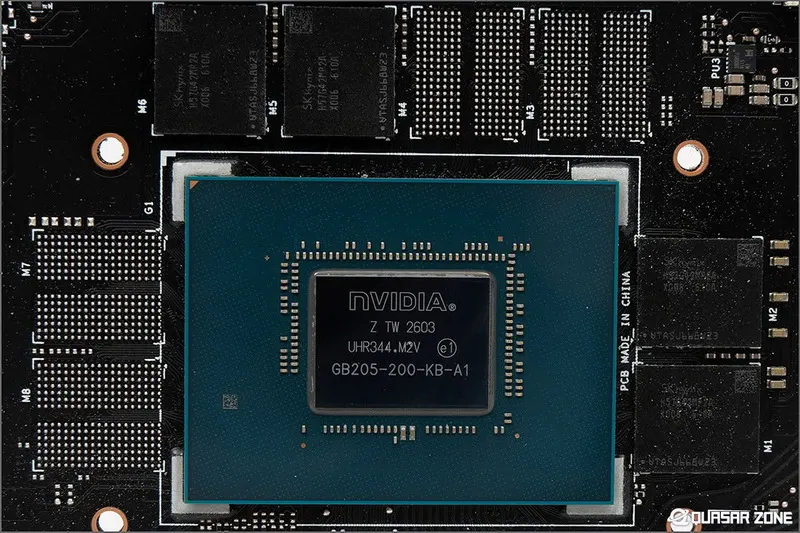
GeForce RTX 5060 is officially based on the GB206 GPU, with 3840 CUDA cores, 120 texture units (TMU), 48 rasterization units (ROP), and is equipped with 8 GB GDDR7 video memory, running on a 128-bit bus. However, some time ago, RTX 5060 models began to appear on the market, based on the more advanced but streamlined GB205 chip, originally designed for older models of GeForce RTX 5000 gaming cards. The Quasar Zone Portal tested one of the video cards.
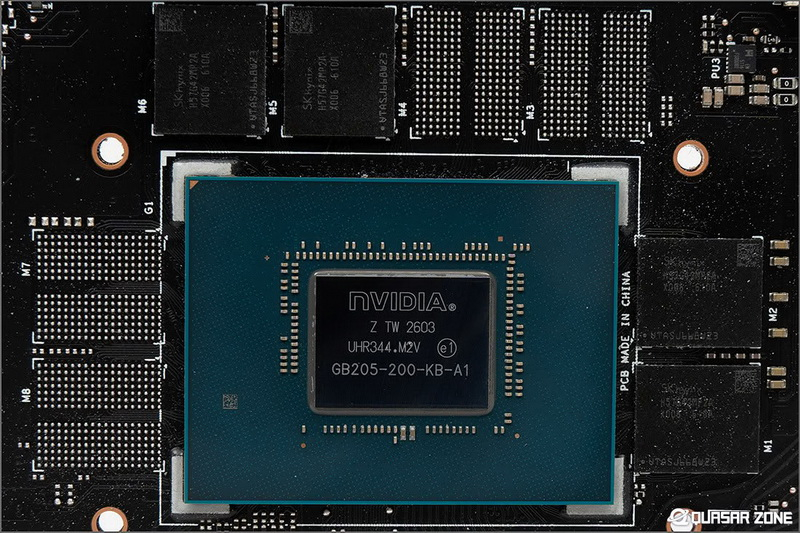
Image source: Quasar Belt
Based on the GB205, the GeForce RTX 5070, RTX 5070 Ti Mobile, and RTX PRO 3000 Blackwell models are usually announced. A month ago, there were reports that MSI announced the GeForce RTX 5060 V1 Gaming and Gaming OC graphics cards, as well as the RTX 5060 V1 Ventus 2X and Ventus 2X OC based on this GPU. Now, the GB205-200-KB-A1 graphics chip has been spotted as part of the new Asus Dual GeForce RTX 5060 OC D7 8 GB graphics card.
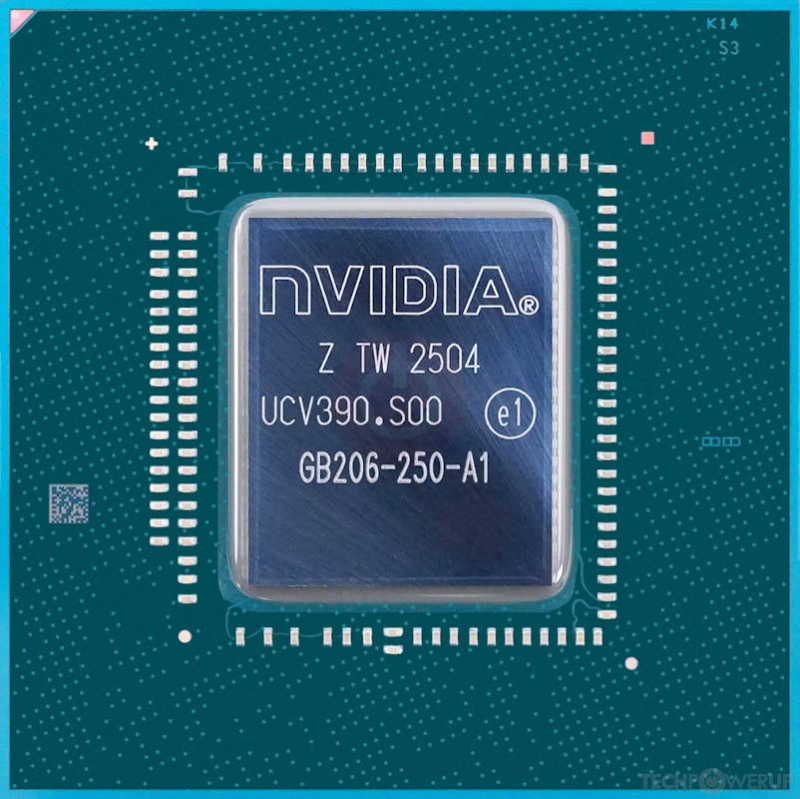
This isn’t the first time that manufacturers (Nvidia and AMD) have used more powerful GPUs designed for older card models as part of lower-end models. This is done to optimize production. If a premium chip does not meet the technical requirements declared for a graphics card model (for example, some CUDA cores do not work, the declared frequency is not supported, etc.), such chips are not thrown into the trash but are adjusted to the requirements of the junior model (with additional reductions in CUDA core count, TMU, ROP, and power consumption). So there shouldn’t be any difference in performance.
For MSI and ASUS’s GB205-based RTX 5060 graphics cards, they are also reducing support for PCIe 5.0 lanes from 16 to 8 (as originally specified for the RTX 5060).
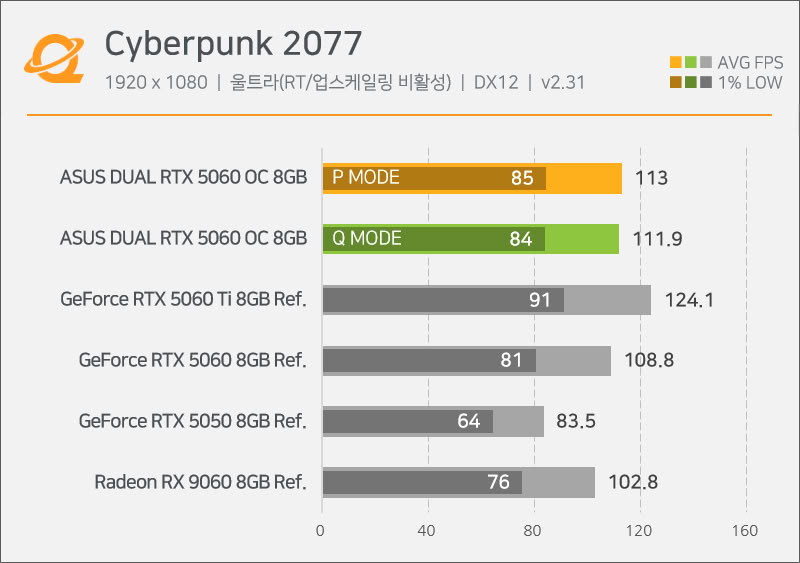
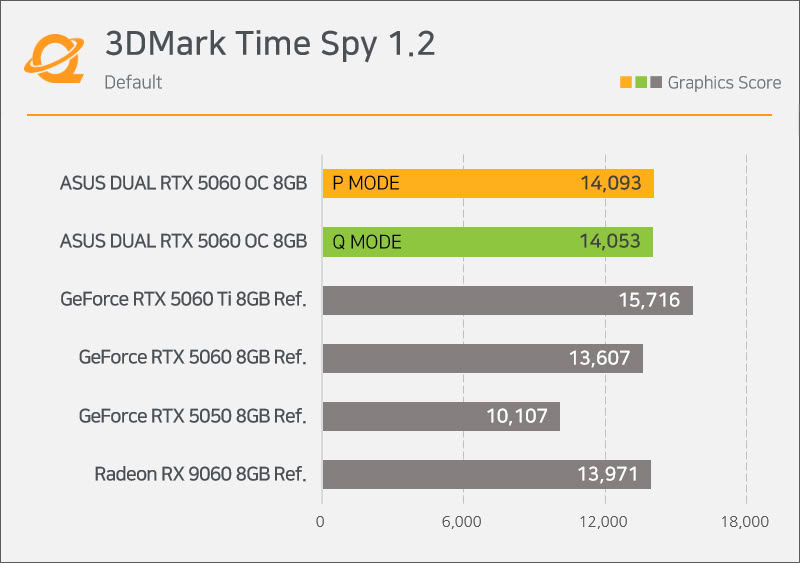
In Quasar Zone testing, Asus’ GB205-based RTX 5060 showed roughly the same performance results, but in rare cases was slightly faster. Examples of these can be seen in the screenshot above. This difference may be due to additional factory overclocking of the GPU.
If you find an error, select it with your mouse and press CTRL+ENTER.