


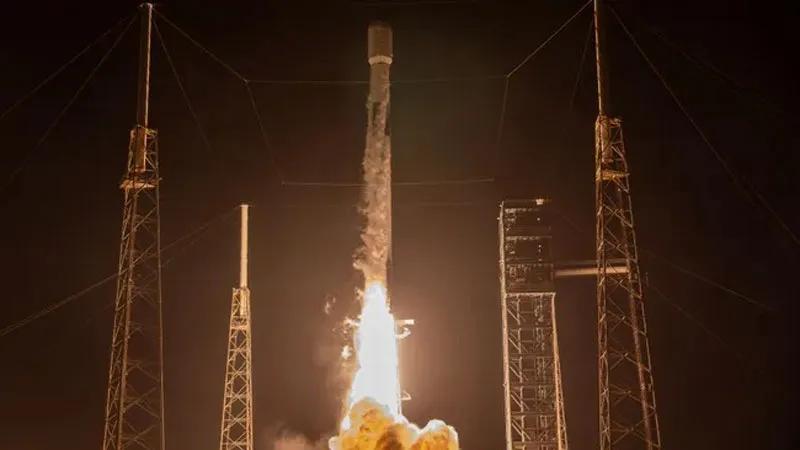
SpaceX plans to retire its flagship Falcon 9 rocket as soon as its next-generation super-heavy rocket, Starship, begins regular operational flights. The Space.com portal reported the news with reference to SpaceX chief Elon Musk, noting that earlier rumors were thus confirmed.
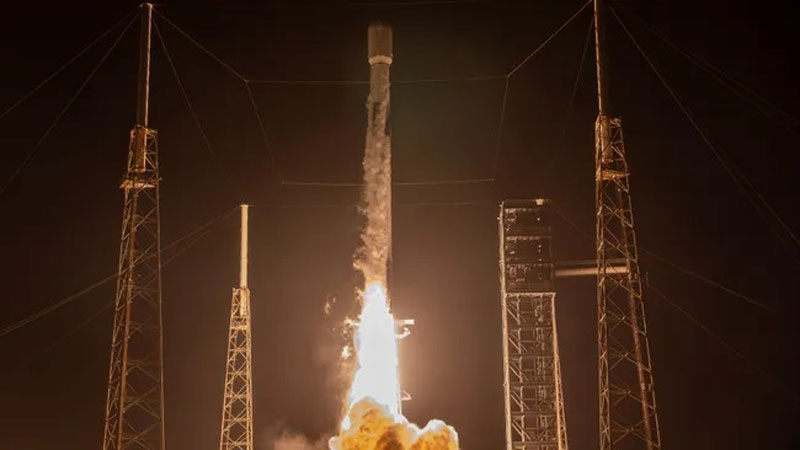
Falcon 9. Image source: SpaceX
The first launch of the Falcon 9 rocket took place in 2010. The Falcon 9 rocket has completed nearly 700 launches to date and is the first rocket to land and relaunch its first stage. However, SpaceX founder and CEO Elon Musk posted on social media “Once Starship begins launching consistently several times per week, production resources can be reallocated to Starship to increase launch frequency to several times per day.”,— wrote he.
What the retirement of the Falcon 9 launch vehicle means for the space launch market remains to be seen, but industry reports indicate that SpaceX may end all but a few Falcon 9 launches starting in 2028. Remaining launches could include crewed flights and cargo deliveries to the International Space Station (ISS) for NASA. The International Space Station is expected to remain operational until at least 2030, which means commercial operators must find alternatives to Starship to launch satellites into space.
When SpaceX begins to end the Falcon 9 project depends on the progress of the Starship project. Unlike its predecessor, Starship is designed so that both stages can be used multiple times. The Super Heavy launch vehicle and the upper stage of the Starship are expected to return to Earth for recovery and relaunch. The upper stages of the Falcon 9 and Falcon Heavy rockets are disposable.
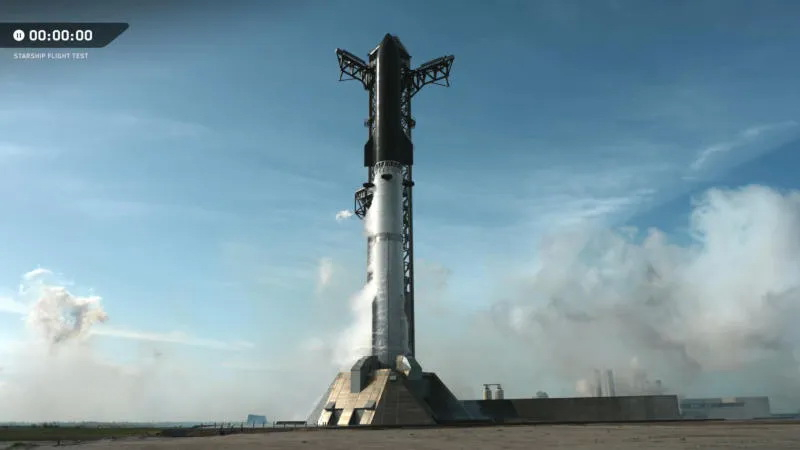
Additionally, Starship is significantly larger than Falcon 9. The current height of the Starship version 3 (V3) rocket is 124.4 meters. For comparison, the Falcon 9 has an altitude of 70 m. Super Heavy rockets are capable of launching heavier payloads into space. Starship is expected to be able to deliver more than 100 tons of payload to low Earth orbit. For the Falcon 9 and Falcon Heavy rockets, the figures are 25 tons and 63 tons respectively.
Over the past few years, most Falcon 9 missions have focused on SpaceX’s Starlink satellite network. Since 2023, more than 300 launches have been carried out, and the number of spacecraft has continued to increase to more than 11,000. However, the more powerful next-generation Starlink satellites are larger and designed to fit in the payload bay of a Starship rather than on a Falcon 9. Once Starship reaches production launch (or even sooner), SpaceX plans to begin upgrading its Starlink network with newer versions of the satellites.
This could lead to an exponential increase in the number of Starship launches, as eventually happened with the Falcon 9. In 2019, when SpaceX first started developing its Starlink network, Falcon 9 launched just 11 times. However, by 2025, Falcon 9 has completed as many as 165 flights. In addition, 122 of them were related to the launch of Starlink satellites.
NASA also awarded SpaceX a contract to develop a second-stage version of Starship for use as a lunar lander as part of the Artemis program. Next year, the Artemis 3 mission will launch Starship V3, which will dock with NASA’s Orion spacecraft in low Earth orbit. It is also planned that in 2028, Starship will send astronauts to the lunar surface as part of the Artemis 4 mission. According to Ars Technica, SpaceX plans to complete the commercial launch of Falcon 9 this year.
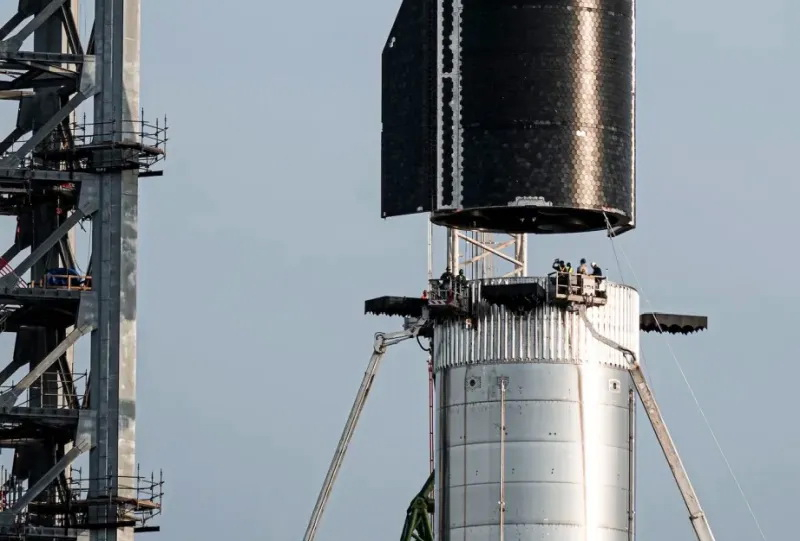
The only use Starship was not designed or considered for was docking with the International Space Station. NASA intends to continue purchasing Crew Dragon cargo and crew vehicles from SpaceX to carry astronauts and cargo to the space station until 2030. It won’t be easy to move these missions to Starship. In addition to the cost and logistical challenges associated with the contract, Starship’s sheer size poses significant engineering risks beyond what is acceptable for the International Space Station.
Regardless of the International Space Station, SpaceX’s plans to retire the Falcon 9 are driven by the success of Starship development. So far, the new super-heavy launch vehicle has completed 13 suborbital test flights. Another launch is planned for next month, which could be the rocket’s first attempt to fully enter low-Earth orbit. But that’s just one of many challenges Starship must overcome before the rocket can make it happen “Stick to a few flights a week”Musk talked about this in his post.
This achievement has been achieved by the Falcon 9 rocket. However, the task of creating the infrastructure for Starship is much larger than a dozen successful test launches. How quickly SpaceX can upgrade Starship to be as reliable as Falcon 9 will ultimately determine how soon the company retires its older rockets.
If you find an error, select it with your mouse and press CTRL+ENTER.