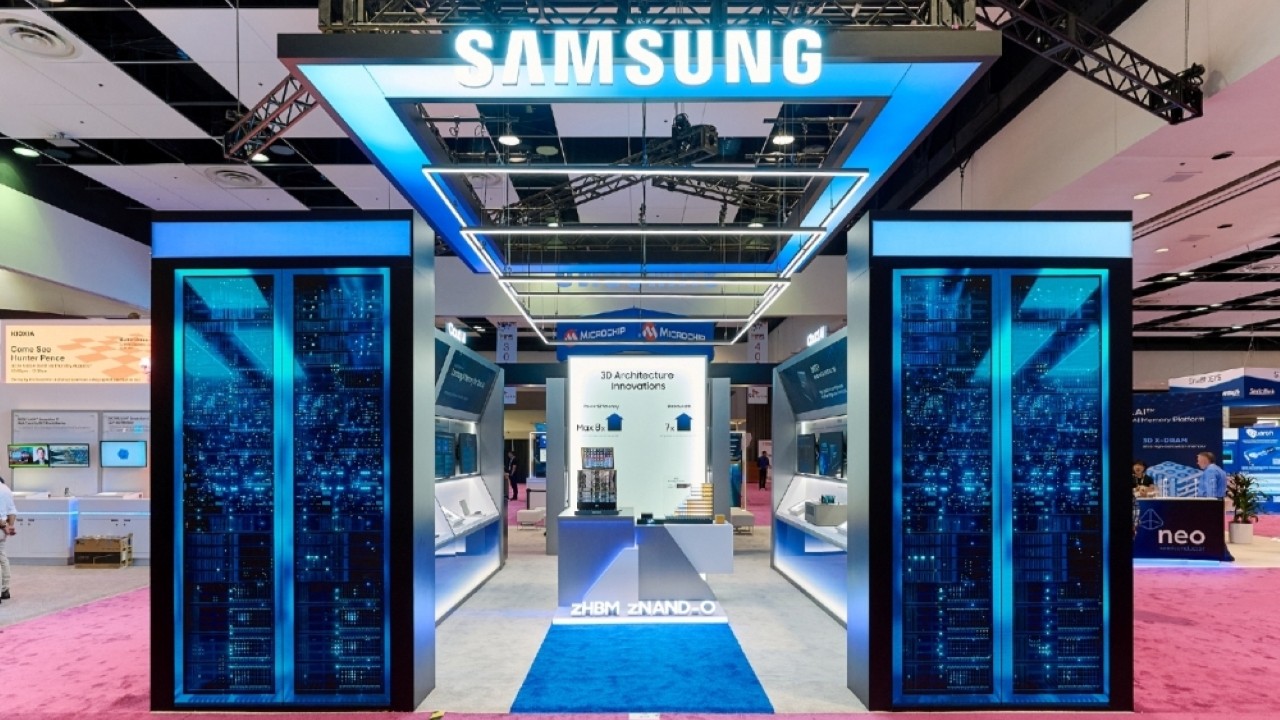
Samsung should have already made an appointment 70% of its memory capacity Through long-term supply contracts, some of which will be extended to 2031. The market is mainly driven by the demand for HBM, a high-bandwidth memory used in artificial intelligence systems.
The data comes from South Korean media, which reports that among the major customers signing these agreements are Microsoft, Google and NVIDIA. Long-term agreements (LTA) are becoming an increasingly important part of the memory market, allowing manufacturers to better understand demand and provide customers with wafer availability in a market that is increasingly difficult to supply.
HBM4 puts more pressure on DRAM
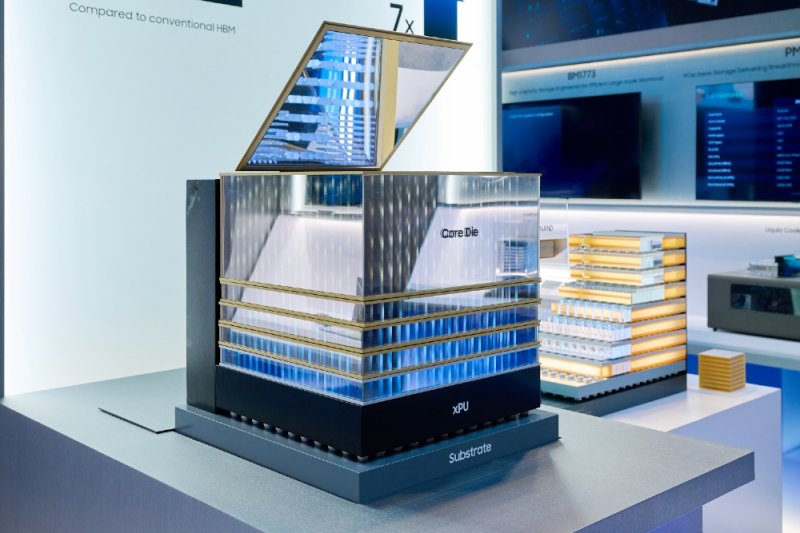
This issue is also related to the development of technology itself. HBM modules are constructed by stacking multiple layers of DRAM memory, and new generations require more layers. With the move to HBM4, the amount of DRAM required per module further increases, Subtract production capacity from memory used for other devices. This is one of the factors leading to the increasingly tight DRAM market.
Therefore, Samsung and SK Hynix will also be evaluated Expand production capacity. In particular, Samsung is reportedly considering converting its S5 factory in Pyeongtaek, currently used to produce semiconductors, into a factory dedicated to memory production.
SK Hynix CEO says memory crisis will last until 2030
Long-term agreements are also creating a There is a big difference between the price agreed with major customers and the spot market price.. According to SEDaily, the current spot price of a 36GB HBM3E module is about 2.87 million won, while the long-term contract price will be between 500,000 and 700,000 won.
Comparison highlights huge gap: spot prices may be higher as a result Four times higher than multi-year agreement. For certain HBM4 configurations, the price goes up further: a module with 16 DRAM layers will cost about 4.8 million won. As a result, the long-term agreement guarantees large customers much better prices than what is available on the spot market, and in exchange Samsung gains visibility into demand that was more difficult to predict in the past.
The result is that the memory market is increasingly affected by the race for artificial intelligence. On the one hand, manufacturers need to increase production capacity to meet the needs of HBM data centers; on the other hand, the amount of DRAM required for each generation of HBM increases Further reducing the number available for PCs and smartphonesservers and other equipment.
The result is a Price pressure is growing and the availability of traditional memory. Since Samsung has committed such a large share of production capacity through multi-year contracts, profits from meeting a sudden increase in open market demand may shrink further.