

Europe’s tax on small parcels from China is changing Asian platforms’ buying habits and strategies.
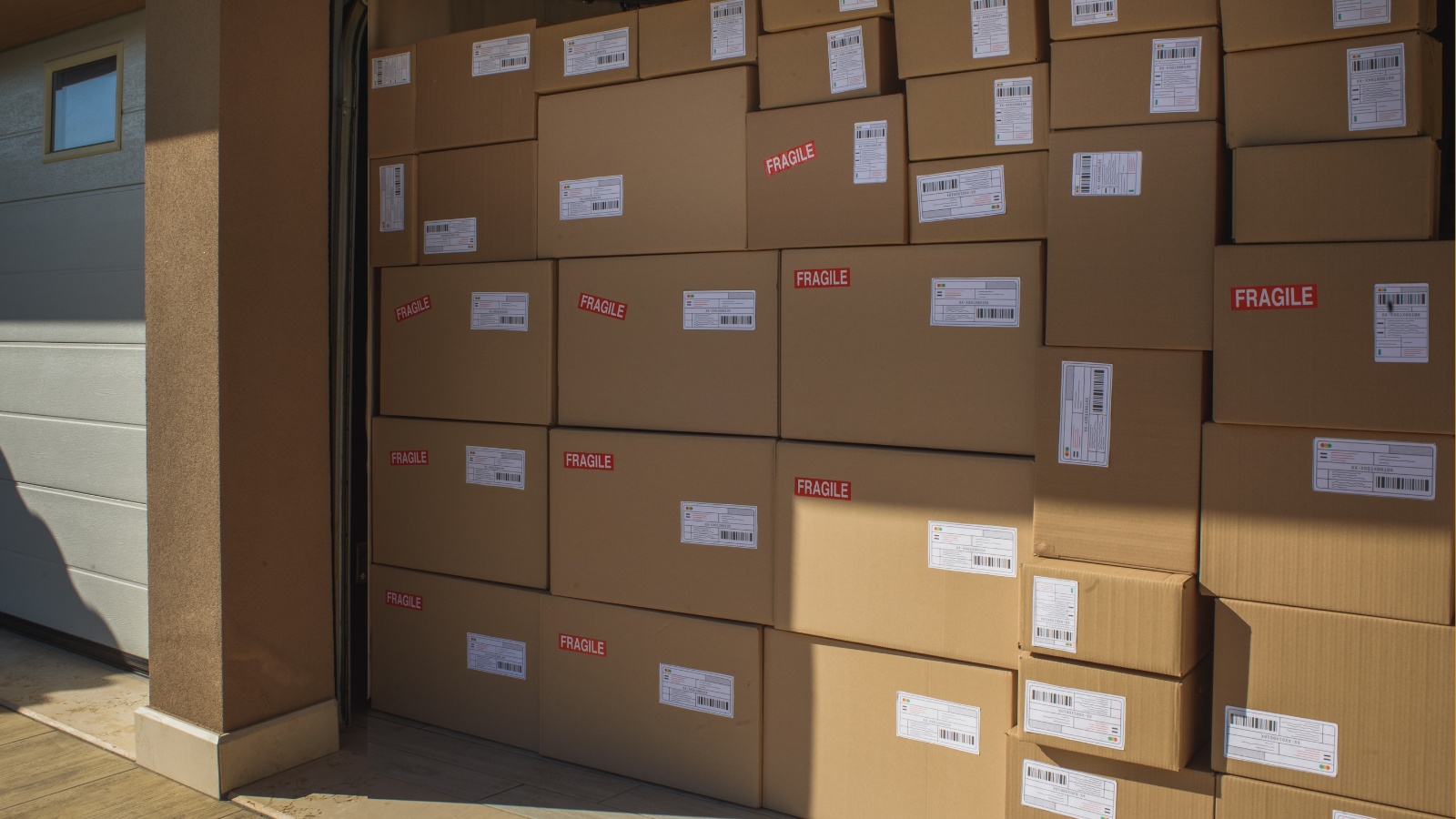
For many years, small purchases directly from Asian markets have benefited from tariff exemptions, allowing products to The price is very low.
Things have changed since then July 1when the EU launched 3 euro tax For each product category in small parcels from outside the EU. As a result, a shopping cart consisting of a variety of cheap items may see significant overall growth.
The first data show that this measure is having a concrete effect. According to French customs information cited by the Ministry of Economy, the number of goods affected is 30% to 40% reduction. For items with particularly low prices, an additional €3 can actually do the trick significantly reduce savings.
Fewer small parcels sent from China to EU: impact on key markets
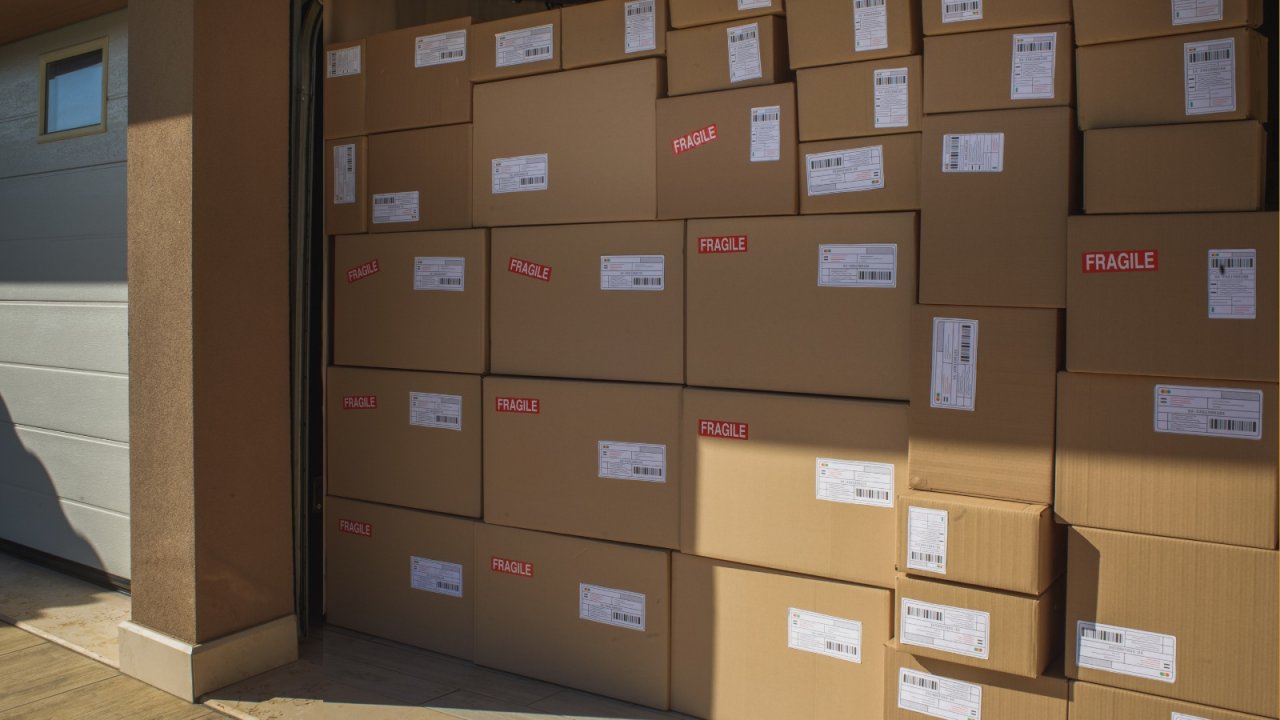
This phenomenon involves very large quantities. They arrive in the EU in 2025 Approximately 5.9 billion small packagesequivalent to more than 180 shipments per second, four times the number in 2022. China is the country of origin of this product 93% of shipments.
Temu fined €200 million by European Commission for selling illegal products on European market
There have also been important changes to the major platforms. Between June and July, in France, Temu sales drop 50%,Those ones AliExpress 37% off and those Thanks 15%.
at the same time, average order value added Temu discount 30%, AliExpress discount 27%showing how convenient it is to purchase multiple products or more expensive items in the same shipment.
Is Shein less affected by EU taxes on parcels from China?
Shein appears to be less affected by this change also thanks Open a warehouse in Polandwhich allows us to reduce our reliance on individual shipments from China. The new tax could therefore accelerate a broader transformation of the logistics industry.

Europe’s goal is Reduce micro-shipping trafficbut the consequences may be different than simply raising prices. Indeed, Asian platforms are increasingly evaluating the use of inventory and structures directly in Europe, changing their models for distributing products in the EU market.