



Norway considers banning smart glasses with cameras due to privacy and security risks. The government’s biggest concerns are covert recording and facial recognition.

Norway could be the first Smart glasses with cameras bannedin response to growing privacy concerns. The government is assessing the possibility of intervention with devices that can Take photos and record videosand there are growing concerns that they may be used to Secretly filming other people in public places.
norwegian environment minister Digitalization and public governanceTong Kailin said that smart glasses are putting pressure on people’s private lives and privacy. In the most problematic aspect, one might use Facial recognition in public places.
Norway is paying great attention to facial recognition technology in smart glasses
What makes the situation even more delicate is that facial recognition technology Meta is reportedly developing his Ray-Ban smart glasses. This function is called “name tag“, can make glasses Automatically identify people within the user’s field of vision and connect their faces to Personal name or personal information.
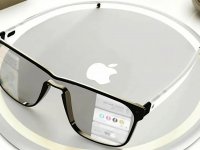
Apple Glasses will be launched in 2027 and will focus on user privacy
According to reports, Meta is considering launching this feature. The concerns go beyond facial recognition, however. Previously, investigations revealed that contractors from a Kenyan company called Sama were examining footage recorded by Meta smart glasses to Contribute to the training of artificial intelligence.
Norway and smart glasses ban: Will some creators’ activities also be stopped?
Smart glasses have also become a tool used by some authors Social network jokes and content. The Meta device incorporates a white LED that signals when the camera is recording and prevents recording if the light is blocked.

However, some modders physically modify the glasses Dim or remove LEDsallowing covert recording even in particularly sensitive places. Recently, Meta rolled out a mandatory firmware update that disables the camera during recording when it detects that the LED is covered or damaged.