

Artificial intelligence tokens, which only tech experts had heard of a few years ago, are quickly becoming part of daily life in China. To attract customers, banks, cafes, telecom operators and various companies offer these services free of charge. They are included in mobile carriers’ tariff plans, replace credit card cashback, and are offered to venue visitors along with free Wi-Fi.
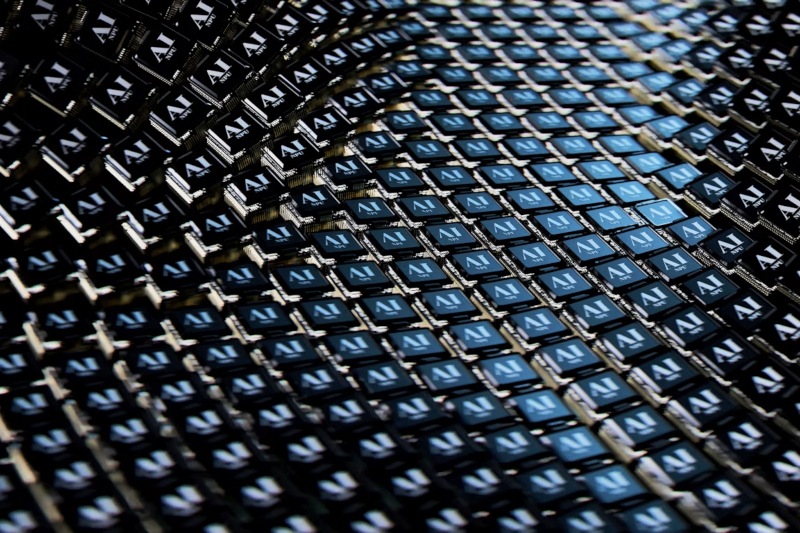
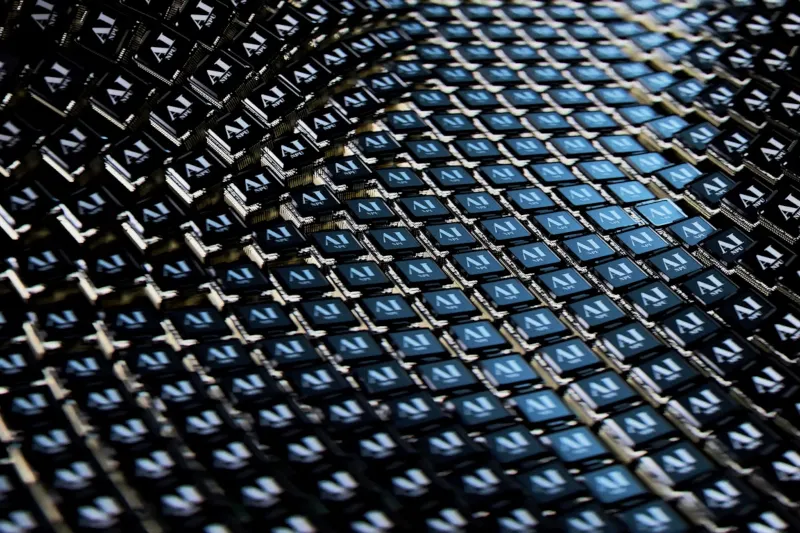
Image credit: Igor Omilaev / unsplash.com
AI tokens are a conventional unit of the amount of data processed by an AI model. When a user asks the model a question, the text is broken down into segments called tokens, which are then processed by the model. As of mid-2026, China is processing 500 trillion tokens per day, up from 100 billion at the beginning of 2024. resource Rest of the world Five examples are given to illustrate how artificial intelligence tokens can penetrate daily life in China.
Offer AI tokens instead of credit card cash back. The first in June was China Merchants Bank – it issued a credit card aimed at artificial intelligence developers. Its holders can receive up to 1.8 billion tokens to use models from Chinese startup MiniMax. Shanghai Pudong Development Bank has also released a similar product – providing up to 3 billion Alibaba Qwen model tokens to artificial intelligence developers. In July, startup Moonshot AI partnered with Agricultural Bank of China and American Express to launch a card named after its Kimi model. By purchasing, its holders receive tokens and credits to use AI agents and programming tools – just like cash back on a regular card.
AI tokens come with mobile traffic. China’s three major players all provide token packages and mobile data. China Telecom is offering 10 million tokens at 9.9 yuan ($1.40) per month. For more active consumers and business users, there are larger packages available, as well as subscriptions for 142 major models. China Mobile is selling 400,000 tokens for 1 yuan ($0.14) – payment is made directly from the operator’s personal account. China Unicom’s requirements for enterprise customers range from 15 yuan ($2.10) per month for 6 million to 45 yuan ($6.30) per month for 18 million tokens.

Photo credit: Conny Schneider / unsplash.com
AI tokens are distributed to cafe visitors along with free Wi-Fi. When you buy a drink at Beijing’s AGI Bar, you can connect to Wi-Fi and have unlimited access to the DeepSeek V4 Flash model – which runs locally on the Nvidia DGX Spark workstation installed there. Beijing dumpling restaurant Jinguyuan offers customers a calculated point worth 10 yuan ($1.40) after their meal. Both organizations hand out more than a hundred vouchers every day. A 24-hour coffee shop is about to open in Changsha, and visitors will receive AI tokens while drinking coffee.
AI tokens are sold on the market. Alibaba’s Xianyu platform offers artificial intelligence models and low-cost access to used mobile phones, furniture and clothing. This could be millions of tokens for a few dollars, in the form of daily passes, monthly subscriptions, or account sharing on an AI platform. Some sellers make money through resale discounts or free access.
AI tokens are used for bank loans. The number of artificial intelligence startups in China is growing rapidly, and banks are finding it increasingly difficult to assess the financial health of young companies using traditional metrics. Therefore, in the city of Guangzhou, banks are trying to use tokens to evaluate artificial intelligence businesses. Under token loan financial products, banks evaluate a company’s token consumption or production to determine its creditworthiness and loan conditions.
If you find an error, select it with your mouse and press CTRL+ENTER.